
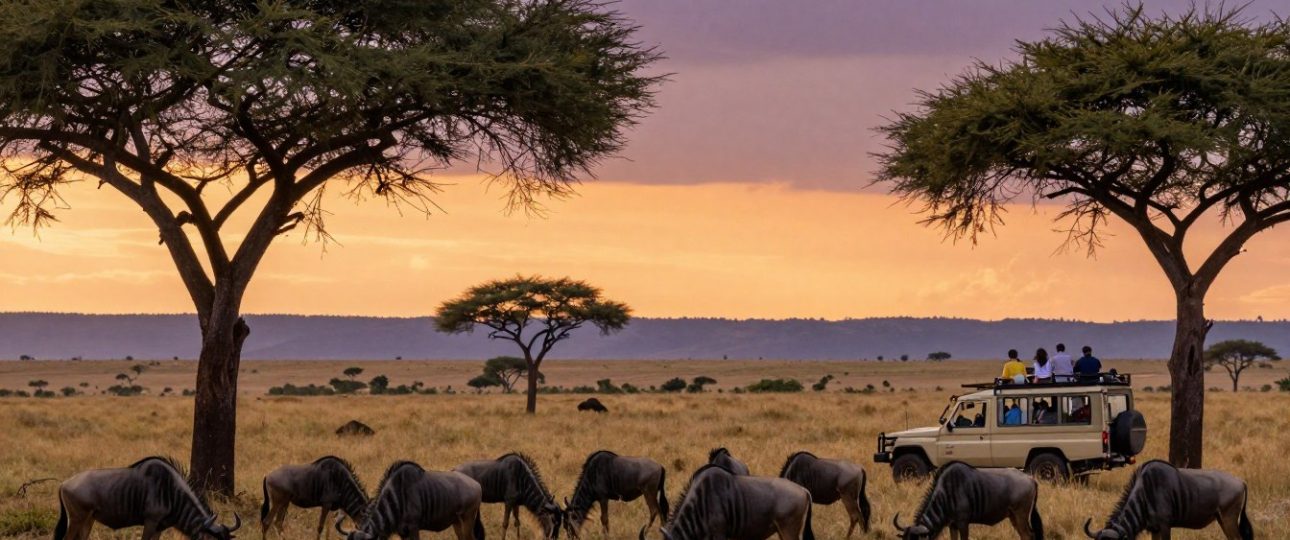
Kenya Travel FAQ: The Ultimate Safari Guide Beyond the Maasai Mara
Embarking on a Kenya Travel adventure is a thrilling experience, filled with the promise of witnessing breathtaking landscapes and incredible wildlife. As you prepare for your journey, it’s natural to have questions about what to expect from your Africa Safari experience.
Kenya, known for its vast savannas and diverse wildlife, offers more than just the famous Maasai Mara. From the majestic lions to the graceful giraffes, every moment is a chance to connect with nature.
Our ultimate guide is designed to help you navigate the essentials of Kenya travel, ensuring that your safari adventure is both exhilarating and stress-free. Whether you’re a seasoned traveler or exploring Kenya for the first time, we’re here to make your journey unforgettable.
Key Takeaways
- Discover the best times to visit Kenya for optimal wildlife viewing.
- Learn about the diverse ecosystems beyond the Maasai Mara.
- Understand the essentials for packing and preparing for your safari.
- Explore the rich cultural heritage and community-based tourism.
- Get insights into the safety and health precautions for travelers.
Discovering Kenya's Safari Landscape
Kenya’s vast savannas and varied ecosystems make it an unparalleled safari experience. The country’s diverse landscapes, from snow-capped mountains to sun-kissed savannas, offer a unique blend of natural beauty and wildlife viewing opportunities.
Why Kenya Remains a Premier Safari Destination
Kenya is renowned for its incredible safari opportunities, with numerous national parks and reserves that are home to an abundance of wildlife. The Maasai Mara, Amboseli, and Lake Nakuru are just a few examples of Kenya’s premier safari destinations, each offering a distinct experience.
Key attractions include:
- The annual wildebeest migration in Maasai Mara
- Elephant herds against the backdrop of Mount Kilimanjaro in Amboseli
- The pink hues of Lake Nakuru, home to thousands of flamingos
Beyond the Typical Tourist Experience
For those looking to venture beyond the typical tourist trail, Kenya offers a range of unique experiences. Visitors can engage in walking safaris, hot air balloon rides, or cultural visits to local communities, providing a deeper understanding of Kenya’s rich heritage and natural environment.
As one traveler noted, “Kenya’s safaris are not just about viewing wildlife; they’re about immersing yourself in the natural world and experiencing the local culture firsthand.”
“The magic of Kenya’s wilderness is palpable, from the roar of the lions to the gentle giant elephants roaming the savannas.”
| Destination | Main Attraction | Best Time to Visit |
|---|---|---|
| Maasai Mara | Wildebeest Migration | July to October |
| Amboseli | Elephants against Mount Kilimanjaro | January to March |
| Lake Nakuru | Flamingo populations | June to September |
When to Plan Your Kenya Safari Adventure
Planning a Kenya safari requires careful consideration of the timing to maximize your wildlife adventure.
The timing of your visit can significantly impact your experience, with different seasons offering unique opportunities to witness Kenya’s incredible wildlife.
Peak Season vs. Off-Season Benefits
The peak season, typically from July to October, coincides with the great wildebeest migration in the Maasai Mara. This period offers spectacular wildlife viewing as large herds of wildebeest, zebras, and gazelles make their way through the reserve.
On the other hand, the off-season, which includes the long rains from April to June and the short rains from November to December, can provide a more serene experience with fewer tourists. During this time, the landscapes are lush and green, and it’s an excellent period for birdwatching.
Weather Patterns and Wildlife Viewing Opportunities
Kenya’s climate varies across different regions, but generally, the country experiences a bimodal rainfall pattern. The long rains typically occur from March to May, while the short rains fall between October and December.
The dry seasons, from January to March and June to October, are ideal for spotting wildlife as animals congregate around water sources, making them easier to locate.
| Season | Weather | Wildlife Viewing |
|---|---|---|
| Dry Season | Hot and dry | Excellent around water sources |
| Wet Season | Rainy and lush | Good for birdwatching and newborn animals |
Migration Seasons and Special Events
The great wildebeest migration is one of Kenya’s most spectacular wildlife events, typically occurring between July and October. Other significant events include the birthing season in January and February in the Maasai Mara, where thousands of wildebeest calves are born.
“The migration river crossings are a highlight of any Kenya safari, offering thrilling moments as wildebeest and zebras make their way across the Mara River.”
— John M. Kamau, Safari Guide
Understanding these events can help you plan your safari to coincide with the experiences that interest you most.
The Ultimate Africa Safari Experience in Kenya
Kenya offers an unparalleled safari experience, teeming with diverse wildlife and breathtaking landscapes. The country’s national parks and reserves are home to an incredible array of animals, making it a must-visit destination for wildlife enthusiasts.
Wildlife Diversity: The Big Five and Beyond
Kenya is renowned for its Big Five: lion, leopard, rhinoceros, elephant, and Cape buffalo. Beyond these iconic animals, Kenya’s wilderness is inhabited by cheetahs, hyenas, giraffes, and numerous antelope species. The diversity of wildlife is a key factor in making Kenya’s safari experience so unique.
| Animal | Location | Best Viewing Time |
|---|---|---|
| Lion | Maasai Mara | Early Morning |
| Elephant | Amboseli | Late Afternoon |
| Cheetah | Nairobi National Park | Midday |
Photographic Opportunities and Viewing Conditions
Kenya’s safari areas offer exceptional photographic opportunities. The open plains and sparse vegetation make it easier to spot wildlife, while the golden light of dawn and dusk provides perfect conditions for capturing stunning images. Many safari lodges and tour operators offer guided photography tours, enhancing the experience for photography enthusiasts.
Specialized Safari Types: Walking, Horseback, and Night Drives
For a more immersive experience, Kenya offers various specialized safari types. Walking safaris allow visitors to explore the bush on foot, accompanied by experienced guides. Horseback safaris provide a unique perspective on the landscape and its inhabitants. Night drives, equipped with spotlights, offer the chance to witness nocturnal animals in their natural habitat.
Each of these safari types provides a distinct and thrilling way to engage with Kenya’s incredible wildlife, making for an unforgettable African safari experience.
Top Safari Destinations Beyond Maasai Mara
For those looking to explore beyond Maasai Mara, Kenya has a plethora of other incredible safari destinations. Each location offers a unique blend of wildlife, landscapes, and cultural experiences that are sure to captivate any traveler.
Amboseli National Park: Elephants Against Kilimanjaro
Amboseli National Park is renowned for its majestic elephants and the breathtaking backdrop of Mount Kilimanjaro. This park offers a unique safari experience with its large elephant herds and stunning vistas.
Samburu National Reserve: Unique Northern Species
Samburu National Reserve is known for its distinctive wildlife, including the Grevy’s zebra, Somali ostrich, and reticulated giraffe. The reserve’s rugged landscape and the Ewaso Nyiro River create a haven for a variety of species.
Tsavo East and West: Kenya's Largest Wilderness
Tsavo East and West National Parks together form one of Kenya’s largest and most diverse wildlife sanctuaries. Tsavo is known for its red elephants, volcanic landscapes, and the famous Mzima Springs.
Laikipia Plateau: Conservation Success Story
Laikipia Plateau is a conservation success story, with numerous private reserves and conservancies working together to protect wildlife and habitats. It offers a range of safari experiences, from luxury lodges to mobile camping safaris.
| Safari Destination | Main Attractions | Best Time to Visit |
|---|---|---|
| Amboseli National Park | Elephants, Kilimanjaro views | Dry season (June to October) |
| Samburu National Reserve | Grevy’s zebra, Somali ostrich | Dry season (June to October) |
| Tsavo East and West | Red elephants, Mzima Springs | Year-round, but avoid rainy seasons |
| Laikipia Plateau | Diverse wildlife, conservation efforts | Year-round, depending on the conservancy |
Kenya’s diverse safari destinations offer something for every traveler, from the majestic elephants of Amboseli to the conservation efforts in Laikipia. Exploring these locations provides a deeper understanding of Kenya’s rich wildlife heritage and the importance of conservation.
Hidden Safari Gems in Kenya
Beyond the famous Maasai Mara, Kenya holds numerous hidden gems for safari enthusiasts. While many flock to the well-known reserves, these lesser-known destinations offer unique and unforgettable experiences.
Meru National Park: Born Free Country
Meru National Park, made famous by the Born Free story of Elsa the lioness, is a haven for wildlife. This park offers a more secluded safari experience with diverse landscapes and a rich variety of animals.
Ol Pejeta Conservancy: Rhino Sanctuary
Ol Pejeta Conservancy is renowned for its conservation efforts, particularly in protecting the black rhino. Visitors can enjoy guided tours and witness these magnificent creatures up close.
Shaba and Buffalo Springs Reserves
The Shaba and Buffalo Springs National Reserves offer a unique safari experience with their semi-arid landscapes and diverse wildlife. These reserves are less visited, providing a tranquil atmosphere for exploration.
Lake Nakuru: Flamingo Paradise
Lake Nakuru National Park is famous for its pink flamingos, although the lake’s color can vary. The park is also home to the Big Five and offers stunning views of the surrounding landscape.
These hidden gems showcase Kenya’s diverse wildlife and landscapes, offering something for every safari enthusiast. Whether you’re interested in conservation efforts or simply want to experience the beauty of Africa’s natural habitats, Kenya has much to offer beyond the Maasai Mara.
Safari Accommodation Options
The right safari accommodation can elevate your entire Kenya travel experience. With a wide range of options available, from luxury lodges to budget-friendly choices, you can select the perfect fit for your safari adventure.
Luxury Lodges and Tented Camps
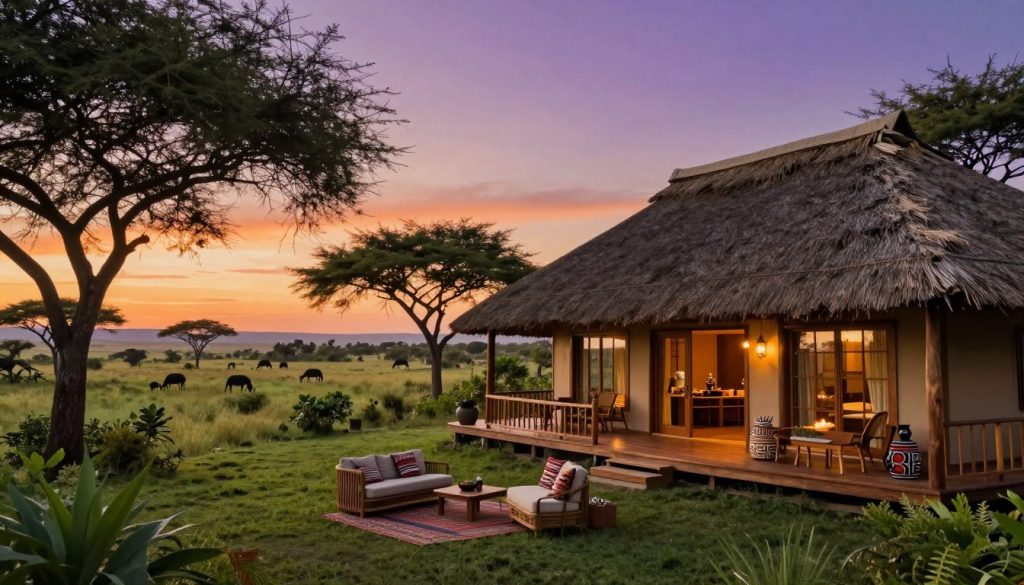
Luxury lodges and tented camps offer the ultimate in comfort and style. Many of these high-end accommodations provide exceptional service, fine dining, and guided tours. They often feature spacious rooms, swimming pools, and spas, ensuring a relaxing stay after a day of game drives.
Mid-Range and Budget-Friendly Choices
For those on a tighter budget, mid-range and budget-friendly accommodations are available. These options provide comfortable lodging and essential amenities at an affordable price. Many mid-range lodges and camps still offer guided safaris and cultural experiences.
Unique Stays: Tree Houses and Star Beds
For a truly unique experience, consider staying in a treehouse or star bed. These accommodations offer a chance to connect with nature and enjoy the African wilderness in a new way. Treehouses provide elevated views, while star beds allow you to sleep under the stars.
Choosing the right accommodation depends on your preferences, budget, and the type of safari experience you’re looking for. Whether you opt for luxury, budget-friendly, or unique stays, Kenya has something to offer every traveler.
Planning Your Kenya Safari Itinerary
A well-planned Kenya safari itinerary is crucial for maximizing your wildlife adventure. With various options available, from short stays to comprehensive experiences, planning is key to a fulfilling trip.
Short Stays: 5-7 Day Itineraries
For those with limited time, a 5-7 day itinerary can still offer a rich safari experience. Focusing on one or two key destinations like Maasai Mara or Amboseli National Park allows for a deep dive into Kenya’s wildlife.
Comprehensive Experiences: 10-14 Day Routes
With more time, a 10-14 day itinerary can cover multiple ecosystems, providing a broader understanding of Kenya’s diverse landscapes and wildlife. This could include visits to Lake Nakuru, Samburu, and Tsavo.
Combining Safari with Beach Getaways
Kenya’s coastline offers a perfect complement to a safari adventure. Destinations like Diani Beach or Watamu provide relaxation and water activities, making for a well-rounded trip.
Booking Tips and Tour Operator Selection
When booking, consider working with reputable tour operators who offer tailored itineraries and knowledgeable guides. Researching and comparing options can help ensure a smooth and enjoyable experience.
| Itinerary Length | Key Destinations | Highlights |
|---|---|---|
| 5-7 Days | Maasai Mara or Amboseli | Deep dive into one ecosystem |
| 10-14 Days | Multiple parks including Lake Nakuru, Samburu, Tsavo | Diverse landscapes and wildlife |
Safari Transportation and Logistics
When planning your Kenya safari, understanding your transportation options is crucial for a seamless adventure. Kenya’s diverse safari destinations are spread across the country, making transportation a key consideration in your travel plans.
Flying vs. Driving Between Destinations
Kenya offers both flying and driving options between safari destinations. Flying is faster and can save time, allowing you to maximize your wildlife viewing experiences. Domestic flights connect major safari hubs like Nairobi, Maasai Mara, and Amboseli. On the other hand, driving provides a more immersive experience, allowing you to enjoy the landscapes and potentially spot wildlife along the way.
Vehicle Types for Game Drives
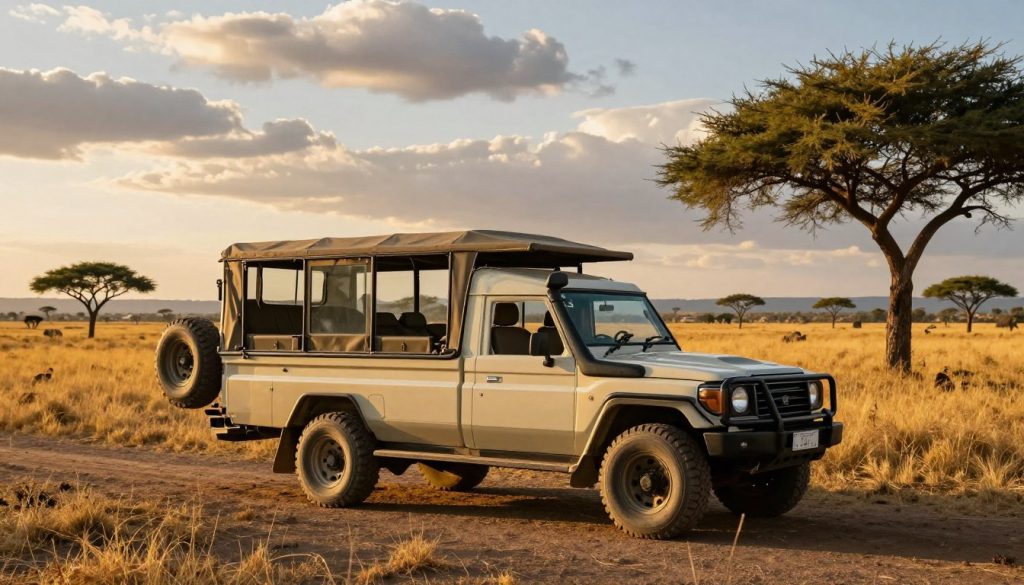
The type of vehicle used for game drives can significantly impact your safari experience. Most safaris use 4×4 vehicles, which provide the necessary ground clearance and maneuverability for navigating rough terrain. Some tour operators offer customized vehicles with features like open roofs for better viewing and photography.
Private vs. Group Safari Experiences
Choosing between a private and group safari experience depends on your personal preferences. Private safaris offer a more personalized experience, allowing you to tailor your itinerary to your interests. Group safaris, while potentially more budget-friendly, can still provide a rich experience, often with the added benefit of socializing with fellow travelers.
| Transportation Option | Advantages | Considerations |
|---|---|---|
| Flying | Time-saving, convenient | Less immersive, potentially more expensive |
| Driving | Scenic, immersive experience | Time-consuming, requires more planning |
| Private Safari | Personalized, flexible itinerary | Generally more expensive |
| Group Safari | Budget-friendly, social experience | Less personalized, fixed itinerary |
Cultural Experiences and Conservation Efforts
Beyond the savannahs and wildlife, Kenya’s safari experience is deeply intertwined with cultural interactions and conservation practices. Visitors have the unique opportunity to engage with local communities, fostering a deeper understanding of Kenya’s rich cultural heritage.
Authentic Interactions with Maasai Communities
One of the highlights of a Kenya safari is the chance to interact with the Maasai people, known for their vibrant culture and traditional way of life. Many safari operators offer visits to Maasai villages, where guests can learn about local customs, participate in traditional dances, and even craft their own Maasai jewelry. These interactions not only enrich the travel experience but also support local economies.
Other Tribal Cultures Worth Exploring
Kenya is home to numerous tribal cultures, each with its own distinct traditions and practices. The Samburu, Turkana, and Kikuyu communities are among those that offer insights into the country’s diverse cultural landscape. Engaging with these communities provides a broader understanding of Kenya’s heritage and the challenges they face in the modern world.
Wildlife Conservation Initiatives You Can Support
Conservation is a critical aspect of Kenya’s safari industry. Various initiatives are underway to protect African Wildlife and their habitats. Visitors can support conservation efforts by participating in eco-tourism activities, such as visiting animal orphanages or contributing to community-led conservation projects. Some notable initiatives include:
- Anti-poaching campaigns
- Habitat restoration projects
- Community-based conservation programs
Responsible Tourism Practices
As tourism continues to grow in Kenya’s Safari Destinations, adopting responsible tourism practices is crucial. This includes respecting local cultures, minimizing environmental impact, and supporting local businesses. By making informed choices, travelers can contribute to the sustainability of Kenya’s tourism industry and the preservation of its natural and cultural resources.
Safari Packing Essentials for Kenya
To make the most of your Kenya safari experience, packing the right clothing, gear, and equipment is essential. A well-planned safari ensures comfort and enhances your overall adventure.
Clothing and Gear Recommendations
When it comes to clothing, neutral colors are recommended as they help you blend in with the surroundings, making it easier to spot wildlife. A good quality safari jacket, comfortable trousers, and a hat are must-haves. Don’t forget a warm layer for cooler mornings and evenings.
Photography Equipment Tips
For capturing those unforgettable moments, bring a good camera with a telephoto lens, extra batteries, and memory cards. A bean bag or tripod can be useful for stabilizing your camera during game drives.
Health and Safety Items
Packing a first-aid kit, sunscreen, insect repellent, and any personal medications is crucial. Consider bringing a water purification system or water bottles to stay hydrated.
| Item | Description |
|---|---|
| Safari Jacket | Neutral-colored, breathable |
| Camera Equipment | Telephoto lens, extra batteries |
| First-Aid Kit | Including sunscreen, insect repellent |
Conclusion: Creating Your Unforgettable Kenya Safari Experience
As you plan your trip to Kenya, you’re not just booking a vacation – you’re embarking on an adventure of a lifetime. With its diverse wildlife, stunning landscapes, and rich cultural heritage, Kenya offers an Africa Safari experience like no other. From the world-renowned Maasai Mara to the lesser-known gems like Meru National Park, every moment in Kenya is a chance to create unforgettable memories.
Whether you’re a seasoned traveler or a first-time safari-goer, Kenya’s warm hospitality and breathtaking natural beauty will leave you in awe. As you explore the country’s top safari destinations, don’t forget to immerse yourself in the local culture, try new experiences, and take in the breathtaking scenery. With careful planning and the right guidance, your Kenya safari will be an adventure you’ll cherish forever.
So, pack your bags, grab your camera, and get ready to embark on the journey of a lifetime. Kenya awaits, with its majestic wildlife, vibrant culture, and unforgettable landscapes.
FAQ
What is the best time to visit Kenya for a safari?
The best time to visit Kenya for a safari depends on your preferences, but the dry season from June to October is generally considered ideal for spotting wildlife, while the wildebeest migration typically occurs between July and August.
What are the must-see destinations for a Kenya safari?
Some of the top destinations for a Kenya safari include the Maasai Mara, Amboseli National Park, Samburu National Reserve, Tsavo East and West, and Lake Nakuru, each offering unique landscapes and wildlife viewing opportunities.
What types of safari experiences are available in Kenya?
Kenya offers a range of safari experiences, including guided game drives, walking safaris, horseback safaris, and night drives, allowing visitors to explore the wilderness in different ways.
What should I pack for a Kenya safari?
Essential items to pack for a Kenya safari include comfortable and neutral-colored clothing, a good camera, binoculars, sunscreen, insect repellent, and a first-aid kit, as well as any personal medications and travel documents.
How do I choose the right accommodation for my Kenya safari?
When choosing accommodation for your Kenya safari, consider factors such as location, luxury level, and amenities, ranging from luxury lodges and tented camps to budget-friendly options and unique stays like treehouses.
What are the benefits of a private safari versus a group safari?
A private safari offers a more personalized and flexible experience, allowing you to tailor your itinerary and activities to your preferences, while a group safari can be more budget-friendly and provide opportunities to meet new people.
How can I support conservation efforts during my Kenya safari?
You can support conservation efforts during your Kenya safari by choosing tour operators that prioritize responsible tourism and conservation, visiting protected areas and national parks, and supporting local communities through cultural interactions and responsible tourism practices.
What are some tips for booking a Kenya safari tour operator?
When booking a Kenya safari tour operator, research their reputation, check their certifications and affiliations, read reviews, and ask about their conservation policies and practices to ensure you’re supporting a responsible and sustainable tour operator.
Can I combine a safari with a beach getaway in Kenya?
Yes, Kenya offers a range of beach destinations, such as Diani Beach and Watamu, that can be combined with a safari itinerary, allowing you to relax on the beach after your safari adventure.
What are some of the cultural experiences I can have on a Kenya safari?
On a Kenya safari, you can experience authentic cultural interactions with local communities, such as the Maasai, and learn about their traditions, customs, and ways of life, providing a deeper understanding of Kenya’s rich cultural heritage.