
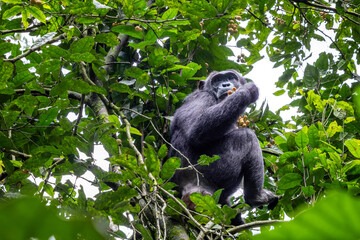
20 Facts About the Ol Pejeta Chimpanzee Sanctuary
Get ready for an adventure that goes beyond the typical safari experience. You are about to discover a place where thrilling wildlife encounters meet world-class conservation. The Ol Pejeta Conservancy in Kenya offers a unique opportunity to see the Big Five, meet our closest animal relatives, and actively participate in groundbreaking conservation efforts, all in one destination. This journey is about connecting with nature on a profound level. As you prepare to capture that perfect safari photo, your exploration of the Ol Pejeta Conservancy chimpanzee sanctuary and the wider conservancy begins now, promising a trip that will fill your camera roll and capture your heart.
1. A Unique Haven: The Ol Pejeta Conservancy Chimpanzee Sanctuary
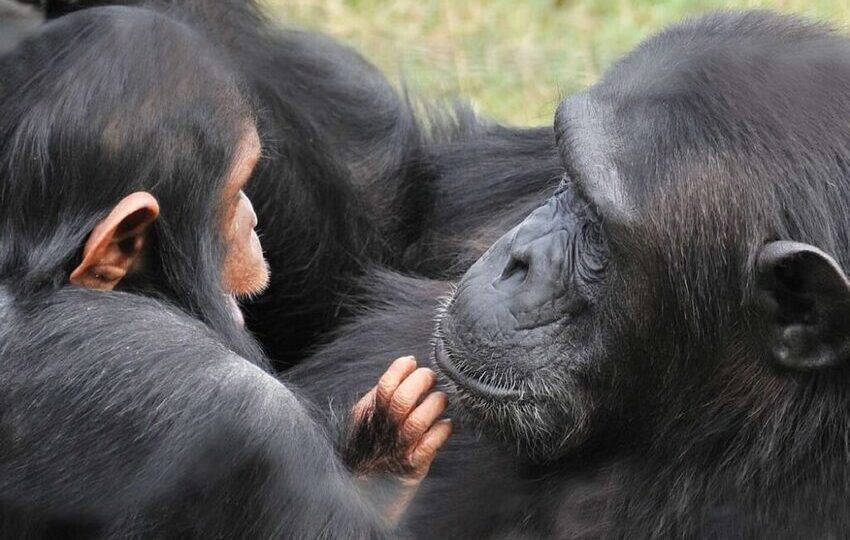
The Ol Pejeta Conservancy chimpanzee sanctuary is a cornerstone of a pioneering non-profit that spans 90,000 acres in Laikipia, Kenya.
Have you ever wanted your travel to make a real difference? This sanctuary is special because it’s the only place in Kenya where you can see chimpanzees. Since chimps are not native to Kenya, this refuge provides a lifelong home for those rescued from the black market and traumatic situations across Africa. Every visit supports this vital work, making each safari photo you take a part of their story of recovery and hope. The Ol Pejeta Conservancy chimpanzee sanctuary is a testament to what dedicated conservation can achieve.
Fact 1: Not Native to Kenya
Chimpanzees’ natural habitat stretches across West and Central Africa. The sanctuary was established in 1993 after a rescue center in Burundi had to close due to civil war. Ol Pejeta stepped in, creating a safe haven. This history makes the Ol Pejeta Conservancy chimpanzee sanctuary a unique destination, offering you a chance to see these incredible apes in a place they wouldn’t naturally be found. A safari photo here captures a story of refuge and resilience.
Fact 2: A Partnership for Good
The Sweetwaters Chimpanzee Sanctuary was founded through a powerful collaboration between the Ol Pejeta Conservancy, the Kenya Wildlife Service (KWS), and the Jane Goodall Institute. This partnership ensures the highest standards of care and rehabilitation for the resident chimpanzees. Your visit directly supports this three-way effort, helping fund the 24-hour veterinary care and spacious, natural enclosures. Getting a great safari photo at the Ol Pejeta Conservancy chimpanzee sanctuary means you’re contributing to a legacy of compassionate conservation.
Pro Tip: When you visit, listen to the keepers’ talks. They share the individual stories of the chimps, which adds a powerful emotional layer to your experience and makes for a more meaningful safari photo.
2. A Fortress for Rhinos and the Ol Pejeta Conservancy Chimpanzee Sanctuary
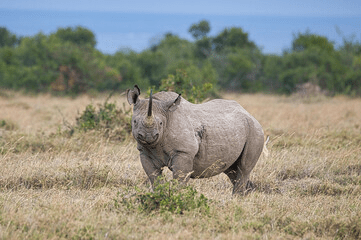
Did you know Ol Pejeta is a global leader in rhino protection?
This conservancy is home to the largest black rhino sanctuary in East Africa. It’s an incredibly important stronghold for this critically endangered species. While you are there to see the work of the Ol Pejeta Conservancy chimpanzee sanctuary, you will also be standing in a place that is critical for the survival of another iconic African animal. Your visit supports the intensive security and monitoring that keeps these rhinos safe from poaching, allowing their population to thrive. Every safari photo of a rhino here is a picture of hope.
Fact 3: Home to the Last of a Kind
Ol Pejeta is the only place on Earth where you can see the last two northern white rhinos, Najin and Fatu. These two females live under 24/7 armed guard in a special enclosure. Seeing them is a deeply moving experience that highlights the stark reality of extinction. This vital conservation work runs parallel to the efforts at the Ol Pejeta Conservancy chimpanzee sanctuary. Capturing a safari photo of Najin and Fatu is not just a picture; it’s a historical record of a species on the brink.
Fact 4: Meet Ambassador Baraka
One of the most touching encounters you can have is meeting Baraka, a blind black rhino. He serves as an ambassador for his species, living in a special enclosure where visitors can safely get close to feed and touch him. This rare opportunity creates a powerful connection and a profound understanding of these gentle giants. This experience, much like visiting the Ol Pejeta Conservancy chimpanzee sanctuary, is a poignant reminder of why conservation is so crucial. A safari photo with Baraka is a memory you will cherish forever.
Pro Tip: The light in the early morning is best for photographing the rhinos in the Endangered Species Enclosure. An early start will reward you with a spectacular safari photo and fewer crowds.
3. The Big Five and More at the Ol Pejeta Conservancy Chimpanzee Sanctuary
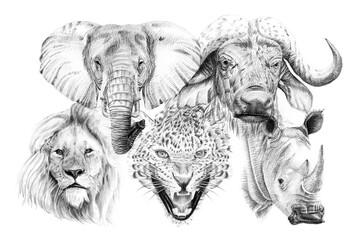
Are you hoping to capture the “Big Five” on your African safari?
Ol Pejeta is one of the most reliable destinations in Kenya to see lions, leopards, elephants, buffalo, and rhinos. But the incredible biodiversity doesn’t end there. The conservancy is also a crucial habitat for rare and endangered species that are difficult to find elsewhere. Your game drives around the Ol Pejeta Conservancy chimpanzee sanctuary will be filled with exciting possibilities. Every turn could reveal another amazing subject for your next great safari photo.
Fact 5: A Hotspot for Rare Species
Beyond the Big Five, Ol Pejeta protects endangered animals like the Grevy’s zebra, Jackson’s hartebeest, and the elusive African wild dog. The conservancy’s effective management and anti-poaching efforts have created a safe environment where these vulnerable populations can stabilize and grow. This commitment to all wildlife makes it an exceptional place for any nature lover. While the Ol Pejeta Conservancy chimpanzee sanctuary is a major draw, the chance to see these other rare animals makes the visit even more special, and a safari photo of a wild dog pack is a true prize.
Fact 6: It’s a 90,000-Acre Classroom
The entire conservancy is a living laboratory for conservation. Spanning a massive 90,000 acres, it encompasses diverse ecosystems from open grasslands to riverine forests. This varied landscape supports a high density of wildlife. Your visit to the Ol Pejeta Conservancy chimpanzee sanctuary is just one part of this huge, dynamic environment. The vastness of the area ensures that animals have room to roam, and it provides endless opportunities for a stunning landscape safari photo.
Pro Tip: A pair of good binoculars is essential. They will help you spot animals from a distance and appreciate the finer details, enhancing both your viewing experience and your ability to compose a perfect safari photo.
4. An Interactive Adventure at Ol Pejeta Conservancy Chimpanzee Sanctuary
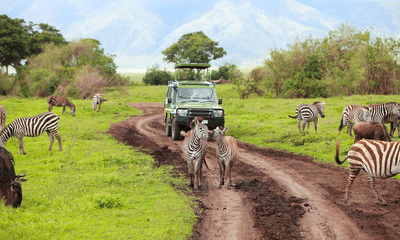
Are you tired of just sitting in a vehicle? At Ol Pejeta, you can get out and experience the bush in a much more hands-on way. The conservancy offers a wider range of activities than almost any other park in Kenya. These experiences provide a unique perspective on the wild and create unforgettable memories. While you’re there for the Ol Pejeta Conservancy chimpanzee sanctuary, be sure to explore these other thrilling options. Each one offers a new chance for an action-packed safari photo.
Fact 7: Track Lions with Researchers
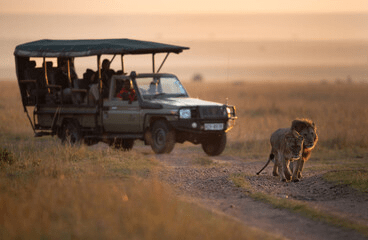
Have you ever imagined being a wildlife researcher for a day? Here, you can!
Join a dedicated team to track collared lions using a satellite receiver. This activity gives you fascinating insight into lion behavior and the challenges of managing a predator population. It’s a thrilling experience that goes far beyond a standard game drive. A safari photo of you holding the tracking antenna with a lion nearby is the ultimate souvenir from your time near the Ol Pejeta Conservancy chimpanzee sanctuary.
Fact 8: Horse Riding with Wildlife
Imagine riding a horse alongside a herd of zebras or giraffes. Ol Pejeta is one of the few places where you can go on a horseback safari. This allows you to get much closer to certain animals, as they are less threatened by the shape of a horse than a vehicle. It’s a peaceful yet exhilarating way to explore the plains. A safari photo taken from horseback provides a completely different and incredible perspective of the landscape surrounding the Ol Pejeta Conservancy chimpanzee sanctuary.
Pro Tip: Book activities like lion tracking and horse riding well in advance of your visit. These are extremely popular and have limited availability, so planning ahead is key to securing your spot for a unique safari photo.
5. From Cattle Ranch to Conservation Leader: The Ol Pejeta Conservancy Chimpanzee Sanctuary Story
Every place has a story, and Ol Pejeta’s is fascinating. It wasn’t always the world-renowned conservancy it is today.
The land started as a commercial cattle ranch in the 1940s. Its transformation into a leader in wildlife protection is a powerful tale of vision and dedication. Understanding this history adds depth to your visit to the Ol Pejeta Conservancy chimpanzee sanctuary. A safari photo taken here is part of a much larger narrative of positive change.
Fact 9: A History of Transformation
Originally owned by Lord Delamere, the land was a successful beef ranch for many years. In the late 1980s, as poaching decimated Kenya’s wildlife, the owners established a small game reserve. This eventually grew into the full-fledged conservancy we know today, acquired in 2004 by Fauna & Flora International and its partners to protect it forever. This history is intertwined with the creation of the Ol Pejeta Conservancy chimpanzee sanctuary. Each safari photo you take documents the success of this incredible journey.
Fact 10: A Non-Profit Model
Ol Pejeta is a not-for-profit organization. This means that every dollar generated from tourism, livestock, and donations is reinvested directly into conservation and community development. Your visit isn’t just a vacation; it’s an investment in a sustainable future for both wildlife and people. This model is what funds the critical work at the Ol Pejeta Conservancy chimpanzee sanctuary. A safari photo here represents your contribution to this inspiring mission.
Pro Tip: Look for the Boran cattle grazing alongside wildlife. This pioneering integration model is a key part of Ol Pejeta’s success and makes for a unique safari photo that tells the story of coexistence.
6. The Chimpanzees’ Stories at Ol Pejeta Conservancy Chimpanzee Sanctuary
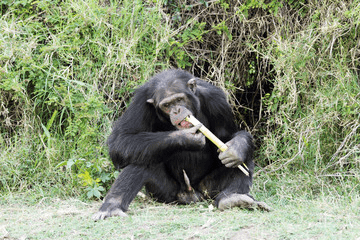
Each of the chimpanzees at the Ol Pejeta Conservancy chimpanzee sanctuary has a name and a story.
Many of these stories are heartbreaking, as the chimps are victims of the illegal bushmeat and exotic pet trades. However, their new lives at the sanctuary are filled with hope and healing. Getting to know some of them as individuals makes a visit incredibly impactful. It transforms your safari photo from a picture of an animal into a portrait of a survivor.
Fact 11: Meet Poco
Poco’s story is one of the most tragic and inspiring. He spent the first nine years of his life in a tiny cage suspended above a workshop, so small he could only stand on two legs. When he was rescued, he had to learn how to knuckle-walk like a normal chimpanzee. Today, his bipedal swagger makes him stand out, a reminder of his past but also of his incredible resilience. A safari photo of Poco at the Ol Pejeta Conservancy chimpanzee sanctuary is a powerful testament to the will to survive.
Fact 12: Manno’s Rescue from Iraq
Manno was rescued from a private zoo in Iraq, where he was used as a photo prop for tourists. After a long campaign, he was finally transferred to Sweetwaters. He arrived malnourished and small for his age, but has since thrived, becoming a favorite among the female chimps who act as his surrogate mothers. His journey shows the global reach of the work done by the Ol Pejeta Conservancy chimpanzee sanctuary. A safari photo of Manno playing is a victory for conservationists everywhere.
Pro Tip: Download the Ol Pejeta app or check their website to read about the different chimpanzees before you go. Knowing their faces and stories will make your encounter at the Ol Pejeta Conservancy chimpanzee sanctuary much more personal.
7. Innovative Conservation Technology at Ol Pejeta Conservancy Chimpanzee Sanctuary
How do you protect 90,000 acres of wilderness? The Ol Pejeta Conservancy chimpanzee sanctuary and the wider conservancy employ cutting-edge technology to stay one step ahead of poachers and effectively monitor wildlife. From drones to GPS collars, technology is a key ally in their conservation mission. This modern approach ensures that the animals are safe and that researchers can gather valuable data. A safari photo here might not show the tech, but it’s the result of its silent, watchful presence.
Fact 13: A Dedicated K9 Unit
Ol Pejeta operates a highly trained anti-poaching dog unit. These dogs are skilled in tracking human scent over long distances and detecting illegal wildlife products like ivory and rhino horn. You can even join them for a simulated tracking experience to see their incredible abilities firsthand. This K9 unit is a vital part of the security protecting the entire area, including the Ol Pejeta Conservancy chimpanzee sanctuary. A safari photo with these canine heroes is a great memento.
Fact 14: An Elephant Corridor
The conservancy is strategically located within a major elephant migration route. To allow elephants and other wildlife to move freely while keeping rhinos contained and safe, Ol Pejeta designed special corridors. These allow animals to pass under the fences in designated areas, promoting genetic diversity and reducing human-wildlife conflict. This innovation shows the forward-thinking approach used at the home of the Ol Pejeta Conservancy chimpanzee sanctuary. Capturing a safari photo of elephants using these corridors is a rare sight.
Pro Tip: Ask your guide about the conservation technology being used. They can often point out collared animals and explain how the data is used to protect them, adding another layer to your safari photo narrative.
8. Your Visit’s Impact at Ol Pejeta Conservancy Chimpanzee Sanctuary
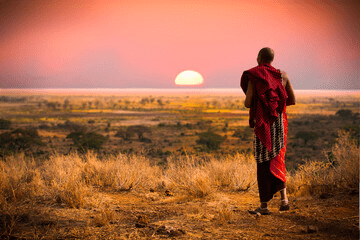
Every safari photo you take home is a reminder of the positive impact you’ve made.
When you visit the Ol Pejeta Conservancy chimpanzee sanctuary, you become part of the solution. The conservancy’s model is built on the idea that tourism can be a powerful force for good. The revenue you generate helps fund everything from ranger salaries to community health clinics. It’s a perfect example of travel with purpose, where your adventure directly supports a thriving ecosystem and empowers local communities.
Fact 15: Supporting 40,000 People
Ol Pejeta invests heavily in its neighboring communities. The Community Development Programme supports education, water access, and healthcare for over 40,000 people. By ensuring that local communities benefit from conservation, the conservancy builds strong partnerships and a shared commitment to protecting wildlife. This holistic approach is fundamental to the success of projects like the Ol Pejeta Conservancy chimpanzee sanctuary. An ethical safari photo can also be found in these community interactions.
Fact 16: An IUCN Green Listed Conservancy
In recognition of its outstanding conservation success, Ol Pejeta was named an IUCN Green List site. This prestigious award recognizes the best-managed protected areas in the world. It’s a validation of their effective and sustainable approach to conservation. A visit to the Ol Pejeta Conservancy chimpanzee sanctuary means you’re experiencing a global model for how people and wildlife can thrive together. A safari photo from a Green-Listed area carries extra bragging rights!
Pro Tip: Visit the conservancy’s craft shop. The items are made by local artisans, and the proceeds go back into community projects. It’s a great way to buy a meaningful souvenir and make your impact felt beyond your entry fee.
9. Planning Your Trip to Ol Pejeta Conservancy Chimpanzee Sanctuary
Ready to pack your bags? A trip to the Ol Pejeta Conservancy chimpanzee sanctuary is easier to plan than you might think. Located in central Kenya’s Laikipia plateau, it’s about a 3-4 hour drive from Nairobi, making it very accessible. You can organize your trip independently or through a tour operator. Thinking about the logistics in advance will ensure a smooth and enjoyable adventure, leaving you more time to focus on getting that perfect safari photo.
Fact 17: Accommodation for All Budgets
Whether you’re a budget backpacker or seeking five-star luxury, Ol Pejeta has an option for you. You can camp under the stars, stay in affordable self-catered stables, or indulge in lavish tented camps like Sweetwaters Serena Camp, which overlooks a busy waterhole. Your choice of lodging still supports the mission of the Ol Pejeta Conservancy chimpanzee sanctuary. Imagine waking up and taking a safari photo of an elephant from your tent!
Fact 18: The Best Time to Visit
While wildlife viewing is fantastic year-round, the dry seasons (June-October and January-March) are often considered prime time. During these months, vegetation is less dense and animals gather around water sources, making them easier to spot. This is the ideal time to get a clear, unobstructed safari photo. The climate at the Ol Pejeta Conservancy chimpanzee sanctuary is generally mild and pleasant during these periods.
Pro Tip: If you are self-driving, a 4×4 vehicle is highly recommended. While major routes are well-maintained, some tracks can become challenging, especially after rain. A capable vehicle gives you the freedom to explore everywhere.
10. Frequently Asked Questions About Ol Pejeta Conservancy Chimpanzee Sanctuary
Curious about planning your adventure or just want to know a bit more before you pack your camera for that perfect safari photo? Here are answers to the most common questions about your visit to Ol Pejeta Conservancy chimpanzee sanctuary.
How much is Ol Pejeta Conservancy?
The Ol Pejeta Conservancy fees 2025 for non-residents are around $90 USD per adult per day, with resident and citizen rates being lower. Discounts are available for children and students. Always check for the latest prices before you travel. Entry fees support the conservancy’s work, including operations at the Ol Pejeta Conservancy chimpanzee sanctuary. That’s an investment in both your safari photo memories and conservation.
How much is the entry fee for KWS 2025?
KWS (Kenya Wildlife Service) manages conservancy entry alongside Ol Pejeta staff. The Sweetwaters Chimpanzee Sanctuary entrance fee is usually included in your main ticket. However, always confirm exact KWS and Ol Pejeta Conservancy fees 2025 at the official website or through Ol Pejeta Conservancy contacts. Fee changes may occur for the new year so it’s wise to double-check before your safari photo adventure. Students and children also enjoy discounted entry.
What is found in Ol Pejeta Conservancy?
You’ll discover the Big Five, over 130 black rhinos, the only chimpanzees in Kenya at the Ol Pejeta Conservancy chimpanzee sanctuary, and rare species like Grevy’s zebra and African wild dog. There’s a mix of open savannah, woodland, and river habitats. The conservancy is known for Sweetwaters Chimpanzee Sanctuary, the rhino sanctuary, and world-class safari photo opportunities. It’s also a leader in community and wildlife research projects.
Can you self drive in Ol Pejeta Conservancy?
Yes, you can self-drive for a flexible adventure at Ol Pejeta Conservancy chimpanzee sanctuary. The roads are well-maintained and maps are available at the entrance. A 4×4 is recommended for comfort, especially in rainy seasons. Self-driving lets you spend as long as you want at each sighting for the best safari photo. Guided vehicles are available if you prefer expert local knowledge.
How many days in Ol Pejeta Conservancy?
Most travelers find that a minimum of two to three days allows you to fully experience the best of Ol Pejeta Conservancy chimpanzee sanctuary. This gives you time for several game drives, unique activities, and a good visit with the chimpanzees. Add extra days if you want to relax, join community tours, or try hands-on conservation experiences. Each day offers new chances for a fantastic safari photo.
Who owns Ol Pejeta Conservancy?
Ol Pejeta Conservancy is a non-profit institution held in trust for the benefit of Kenyan people. It is overseen by a board and run by Ol Pejeta Ranching and Ol Pejeta Conservancy companies. Profits are reinvested into conservation and local community projects, including Sweetwaters Chimpanzee Sanctuary. Your entry fee and every safari photo help fund this mission.
What is unique about Ol Pejeta Conservancy?
This conservancy combines Big Five viewing, intensive rhino conservation, and Kenya’s only chimpanzee sanctuary. It operates with a nonprofit model, directly investing in local community health, education, and conservation. The mix of activities—lion tracking, horse rides, and close animal encounters—sets it apart. Every safari photo you take at Ol Pejeta Conservancy chimpanzee sanctuary tells a story about hands-on conservation.
What are two interesting facts about chimpanzees?
Chimpanzees share 98.6% of their DNA with humans and make and use tools in the wild. At the Ol Pejeta Conservancy chimpanzee sanctuary, you’ll see complex social interactions that mirror our own, including hugging, laughing, and clear group hierarchies. Watching chimps makes for a safari photo packed with personality.
What is the largest chimpanzee sanctuary?
The largest chimpanzee sanctuary is the Tchimpounga Chimpanzee Rehabilitation Center in the Republic of Congo. However, the only sanctuary in Kenya is Sweetwaters Chimpanzee Sanctuary inside Ol Pejeta Conservancy. Sweetwaters houses over 35 rescued chimps. Every safari photo you take here is a rare capture for East Africa.
What is the meaning of Pejeta?
“Pejeta” is said to come from the Maasai word for “burning,” traditionally related to ancient land management practices of burning grasslands. Today, Ol Pejeta is linked with conservation, wildlife protection, and the renowned Ol Pejeta Conservancy chimpanzee sanctuary. The name reflects both its roots and its future. Make sure to capture it in your safari photo collage.
What is the rarest animal to see in Kenya?
The rarest are the two remaining northern white rhinos, Najin and Fatu, both residing at Ol Pejeta rhino sanctuary within the conservancy. Other rare sightings include the hirola antelope and the Tana River mangabey. A safari photo with the northern white rhinos is a once-in-a-lifetime experience—one you’ll only find while visiting places like Ol Pejeta Conservancy chimpanzee sanctuary.
The name ‘Pejeta’ means ‘burning’ in the Maasai language. This likely refers to the historical practice of burning grasslands to encourage fresh grazing for livestock. Today, the name is synonymous with cutting-edge conservation and a hopeful future for African wildlife, centered around landmarks like the Ol Pejeta Conservancy chimpanzee sanctuary. Your safari photo captures a piece of this rich history.
How much is Ol Pejeta Conservancy?
The Ol Pejeta Conservancy fees 2025 non-resident adult rate is approximately $90 USD per day. Prices are lower for East African residents and citizens, and there are discounts for children. The Ol Pejeta Conservancy fees for students also provide a reduced rate, so be sure to check their official website for the most current information.
Can you self-drive in Ol Pejeta Conservancy?
Yes, self-driving is permitted and is a popular way to explore Ol Pejeta. The road network is extensive and well-marked on maps available at the entrance gates. This gives you the flexibility to explore at your own pace and spend as much time as you like at sightings.
How many days in Ol Pejeta Conservancy?
To do it justice, plan for at least three days. This allows enough time for multiple game drives, a visit to the Ol Pejeta Conservancy chimpanzee sanctuary, meeting the northern white rhinos, and trying one of the unique activities like lion tracking or a night drive.
Who owns Ol Pejeta Conservancy?
Ol Pejeta is a Kenyan non-profit conservancy held in trust for the nation’s citizens. It is overseen by a board of trustees and managed by a dedicated team. All profits are reinvested into its conservation and community development programs, ensuring its work is sustainable.
What is unique about Ol Pejeta Conservancy?
Its combination of high-density Big Five viewing, being the only place in Kenya to see chimpanzees, and its critical role in rhino conservation makes it truly unique. The hands-on activities and transparent, non-profit model that directly benefits local communities also set it apart from other wildlife destinations.
Pro Tip: Don’t forget to get your passport stamped at the Equator line marker within the conservancy! It’s a fun souvenir and makes for a classic safari photo to commemorate your trip to the Ol Pejeta Conservancy chimpanzee sanctuary.
Ready for an unforgettable adventure?
Your Tanzania Safari is just a click away for the best safari with affordable packages
Let the experts at Mara Triangle Safaris handle all the details for your safari booking so you can focus on making memories. From thrilling game drives to custom-tailored Kenyan expeditions, we bring your dream trip to life.
Contact Mara Triangle Safaris today to book your next adventure!
Contact
- Phone Number :+254 705 635 886
+254 768 212 702 Mail Id :info@maratrianglesafaris.co.ke
deals@maratrianglesafaris.co.ke