

What is the Best Kenya Safari in 2026? Ultimate Mara Triangle Safaris Guide
If a Kenya safari is on your bucket list but you aren’t sure where to start, you’re in for a wild ride, literally and figuratively. Picture yourself bumping along a dusty track as a herd of elephants saunters by, or savoring an early morning coffee with the distant rumble of wildebeest on the move.
The beauty of planning the best Kenya safari is that your adventure can be a one-of-a-kind story written by you, with every choice—big or small—shaping the journey. This isn’t just another trip; it’s a vivid chapter in your life where lions, Maasai warriors, and endless golden grasslands become your everyday backdrop.
Whether you’re craving close-up wildlife thrills, a serene escape for two, or a memory-filled family odyssey, this guide will navigate you through all the musts (and the marvelous surprises) that make for the best Kenya safari. Ready to create a safari tale you’ll be bragging about for years?
Let’s get you there.
Why a Kenya and Tanzania Safari is Your Ultimate Adventure
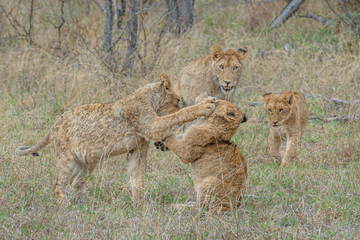
Have you ever wondered what it feels like to see a lion stalk its prey or witness a million wildebeest thunder across the plains?
Combining two of Africa’s most spectacular destinations, a Kenya and Tanzania adventure offers the ultimate wildlife spectacle. This isn’t just a vacation; it’s an immersion into the raw, untamed beauty of nature. The best Kenya safari experience is amplified when paired with Tanzania’s dramatic landscapes, from the Ngorongoro Crater to the Serengeti. You get two distinct ecosystems, each offering a unique cast of characters and dramatic scenes.
Imagine starting your journey with a classic best Kenya safari in the Masai Mara and then crossing into Tanzania to explore its vast, legendary parks. This combination creates a seamless narrative of East Africa’s Great Rift Valley, making for an epic and comprehensive safari tours Kenya and Tanzania experience.
Comparing the Titans: Kenya vs. Tanzania
Deciding between Kenya and Tanzania can be tough, as both offer world-class wildlife viewing. Kenya, the birthplace of the safari, boasts iconic parks like the Masai Mara and Amboseli. It often provides a vibrant, high-energy experience, with many established lodges and camps. A best Kenya safari here gives you access to a rich cultural tapestry, especially with the Maasai people.
Tanzania, on the other hand, is known for its vast, wild spaces like the Serengeti and the unique Ngorongoro Crater. It can feel more remote and untouched. The best Kenya safari when combined with Tanzania offers a balanced adventure; you get the concentrated wildlife action of Kenya and the epic, sprawling landscapes of its southern neighbor, making it the perfect two-country itinerary.
The Great Wildebeest Migration: A Cross-Border Spectacle
The Great Migration is nature’s most dramatic show, and it unfolds across both Kenya and Tanzania. Over two million wildebeest, zebras, and gazelles journey in a cyclical pattern, following the rains in search of fresh grass. The best Kenya safari for witnessing this event is typically from July to October, when the herds are in the Masai Mara, famously crossing the Mara River.
The drama doesn’t stop there; from January to March, the herds are in the southern Serengeti in Tanzania for calving season, a period of incredible vulnerability and predator action. By planning a trip that covers both countries, you can catch different stages of this awe-inspiring phenomenon, truly elevating your search for the best Kenya safari.
To maximize your Great Migration viewing, book a mobile camp. These camps move with the herds, ensuring you’re always in the heart of the action, whether you’re experiencing the best Kenya safari in the Mara or the calving season in the Serengeti.
Unpacking the Best Kenya Safari Destinations
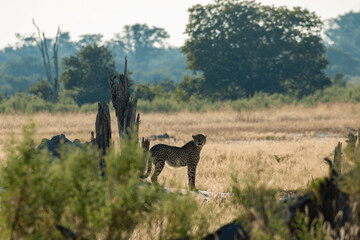
Kenya is a land of incredible diversity, where each park and reserve tells a different story.
From the world-renowned Masai Mara to the elephant-filled plains of Amboseli, your options are as vast as the African sky. Planning the best Kenya safari means choosing the destinations that match your travel style and wildlife wish list.
Are you looking for the Big Five? Interested in rare, endemic species? Or perhaps you want to combine your game drives with unique cultural interactions? Kenya delivers on all fronts. Let’s explore the crown jewels of Kenya’s safari circuit to help you build the perfect itinerary. Each location offers a unique flavor, contributing to what will undoubtedly be the best Kenya safari experience you can imagine.
The Legendary Masai Mara National Reserve
No trip to Kenya is complete without visiting the Masai Mara, the setting for countless wildlife documentaries and the stage for the Great Migration. This is where you’ll find quintessential African landscapes: vast grasslands dotted with acacia trees. The best Kenya safari packages often focus heavily on this region due to its incredible density of predators, including lions, leopards, and cheetahs.
Beyond the migration, the Masai Mara Kenya safaris offer phenomenal year-round game viewing. For an exclusive experience, consider staying in a private conservancy bordering the main reserve, like the Mara Triangle. This ensures your search for the best Kenya safari is less crowded and more intimate.
Amboseli National Park: Land of Giants
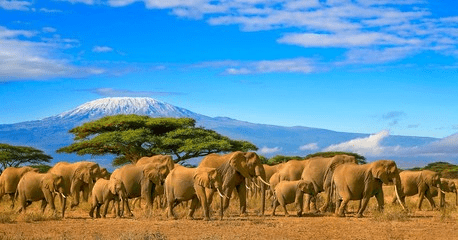
Picture this: a herd of massive elephants grazing peacefully, with the snow-capped peak of Mount Kilimanjaro rising majestically in the background. That’s the signature view of Amboseli National Park. This park is arguably the best place in Africa to see large herds of free-ranging elephants up close. The park’s sparse vegetation makes wildlife spotting relatively easy, ensuring your trip is a contender for the best Kenya safari.
In addition to elephants, you can spot cheetahs, giraffes, zebras, and a rich array of birdlife. A visit here, especially for photographers, is a must-add to any itinerary focused on creating the best Kenya safari.
Samburu National Reserve: The Unique North
For a safari experience that feels worlds away from the Mara, head north to Samburu. This semi-arid region is home to the “Samburu Special Five,” a group of animals found only in this part of the country: the reticulated giraffe, Grevy’s zebra, Somali ostrich, beisa oryx, and the long-necked gerenuk. The landscape is rugged and dramatic, with the Ewaso Ng’iro river acting as a lifeline for wildlife. Including Samburu in your travels is a fantastic way to diversify your wildlife sightings and adds a unique dimension to the best Kenya safari.
A best Kenya safari should include this destination for its unique wildlife and cultural encounters with the Samburu people.
In the Masai Mara, a hot air balloon safari at sunrise is an unforgettable experience. Floating silently above the plains as wildlife roams below offers a perspective that truly defines the best Kenya safari.
Exploring Tanzania’s Safari Wonders
While Kenya holds its own, its neighbor, Tanzania, offers a safari experience of epic proportions. A safari that combines both is often considered the pinnacle of East African travel. When you extend your best Kenya safari into Tanzania, you unlock a world of vast wilderness, unique geological wonders, and equally impressive wildlife.
From the endless plains of the Serengeti to the “Garden of Eden” that is the Ngorongoro Crater, Tanzania adds a layer of raw, untamed adventure to your trip. This combination ensures that your quest for the best Kenya safari becomes a comprehensive journey through the most iconic landscapes on the continent.
Serengeti National Park: The Endless Plain
The Serengeti is the stuff of legends. Its name, derived from the Maasai word “Siringet,” means “endless plains,” and the landscape lives up to it. It is Tanzania’s flagship park and the southern counterpart to Kenya’s Masai Mara, hosting the Great Migration for most of the year. While a best Kenya safari offers dramatic river crossings, the Serengeti provides the spectacle of the calving season and the vastness of the herds spreading out across the plains.
The sheer scale of the Serengeti, combined with its abundant predator populations, makes it a non-negotiable stop for anyone serious about an East African adventure. Combining this with a trip to Kenya truly creates the best Kenya safari and Tanzania tour.
Ngorongoro Crater: A Self-Contained Eden
Imagine descending into an ancient collapsed volcano, where a 260-square-kilometer (100-square-mile) caldera floor is teeming with wildlife. That’s the Ngorongoro Crater, a UNESCO World Heritage Site and one of Africa’s most remarkable natural wonders. It boasts one of the highest densities of wildlife on the continent, including the Big Five. The chances of spotting a rare black rhino here are particularly high.
A visit to the crater is a unique and almost surreal experience, different from any other game drive. Incorporating this into your itinerary elevates your journey, blending the classic savanna of a best Kenya safari with a truly unique, enclosed ecosystem.
Zanzibar: The Perfect Bush-to-Beach Finale
After the dusty roads and early morning game drives, what could be better than unwinding on a tropical island? Zanzibar, the “Spice Island,” is the perfect conclusion to your East African adventure. With its turquoise waters, white-sand beaches, and rich Swahili history, it offers a complete change of pace. You can spend your days snorkeling, diving, or simply relaxing by the Indian Ocean.
A bush and beach combination is a popular choice, and pairing a best Kenya safari with a few days in Zanzibar creates a perfectly balanced and rejuvenating holiday. This duo ensures you experience the wild heart of Africa and its serene coastal beauty.
When visiting the Ngorongoro Crater, start your descent as early as possible. This helps you avoid the crowds that build up later in the day and allows you to experience the crater floor in the beautiful morning light.
Choosing Your Safari Style for the Best Kenya Safari: Accommodation and Travel
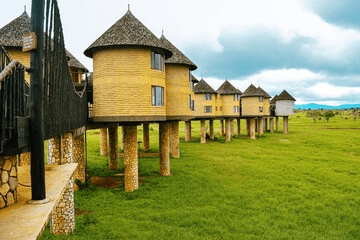
Crafting the best Kenya safari isn’t just about where you go; it’s also about how you travel and where you stay.
Your choice of accommodation can define your entire experience, from rustic and adventurous to unbelievably luxurious. Do you prefer the classic feel of a canvas tent under the stars or the comfort of a solid-walled lodge with a swimming pool? Similarly, deciding between a private safari and a group tour, or a fly-in versus a driving safari, will shape your itinerary and budget.
Understanding these options is key to designing a trip that’s perfectly suited to your tastes, ensuring your adventure is truly the best Kenya safari for you.
Lodge or Tented Camp?
This is a classic safari dilemma! Lodges are permanent structures, often resembling hotels with solid walls, private bathrooms, restaurants, and often swimming pools. They offer a high level of comfort and are great for families or first-time safari-goers. Tented camps, on the other hand, offer a more immersive experience. These are not your average backyard tents; they are spacious canvas rooms with proper beds, ensuite bathrooms, and private verandas.
Staying in a tented camp allows you to hear the sounds of the bush at night, creating a more intimate connection with nature. For many, this authenticity is what makes for the best Kenya safari.
Travel Styles: Luxury, Mid-Range, and Budget
Your budget will play a big role in determining your accommodation.
- Luxury: Expect top-tier service, gourmet food, stunning locations, and expert guides. Lodges like Angama Mara or camps like Cottar’s 1920s Safari Camp offer unparalleled luxury, with prices often exceeding $1,000 per person, per night. These are components of the most luxurious safari in Kenya.
- Mid-Range: This category offers a fantastic balance of comfort, location, and value, with prices typically ranging from $400 to $700 per person, per night. Places like the Sarova Mara Game Camp or Keekorok Lodge provide excellent amenities and game viewing. This is a popular choice for those seeking the best Kenya safari without the ultra-luxury price tag.
- Budget/Affordable: Don’t let the word “budget” fool you. Affordable Kenya safari packages still offer comfortable and clean accommodation, often in larger lodges or less remote camps. Prices can range from $200 to $350 per day. This is a great way to experience a best Kenya safari if you’re mindful of safari cost.
Solo, Group, or Private Safari?
How you travel is just as important as where you stay.
- Group Tours: Joining a scheduled group tour is often the most cost-effective option. You’ll share a vehicle and guide with other travelers, which can be a fun way to meet new people.
- Private Safari: A Kenya private safari gives you ultimate flexibility. You have your own vehicle and guide, so you can set your own pace, decide how long to spend at a sighting, and customize your itinerary completely. This is often the top choice for photographers and families.
- Solo Travel: Many camps and lodges are becoming increasingly friendly to solo travelers, though single supplements can sometimes apply. A best Kenya safari is absolutely achievable for a solo adventurer.
If you’re on a budget but crave a more exclusive experience, consider traveling during the “shoulder seasons” (like April-May or November). You can find better deals on mid-range and luxury lodges, getting more value from your best Kenya safari.
Planning Your Trip: Duration and Best Kenya Safari Cost
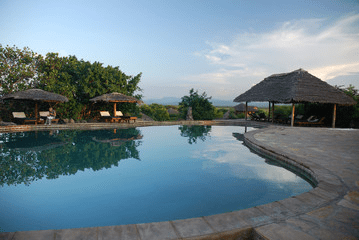
One of the first questions on every traveler’s mind is, “How long should I go for, and what will it cost?” The answer depends entirely on your interests and budget.
You can get a taste of the wild on a short trip or immerse yourself fully on a multi-week expedition. The best Kenya safari is one that is well-paced and doesn’t feel rushed. Understanding the safari duration and safari cost is crucial for planning an adventure that meets your expectations without breaking the bank. Let’s break down what you can expect in terms of time and money to help you plan the best Kenya safari for your 2026 adventure.
How Many Days Are Recommended for the Best Kenya Safari?
While you can technically do a one-day trip to Nairobi National Park, to truly experience the magic of a Kenyan safari, a longer duration is better.
- 3-4 Days: This is enough for a focused trip to one park, typically the Masai Mara. A 4-day safari in Kenya, for instance, allows for a couple of full days of game drives.
- 5-7 Days: A 5 day Kenya safari or week-long trip allows you to explore two distinct parks, such as the Masai Mara and Lake Nakuru or Amboseli. This is a popular option for a best Kenya safari.
- 10+ Days: With 10 days or more, you can explore multiple regions, combine Kenya and Tanzania, or add a beach extension to your trip. This longer duration allows for a more relaxed pace and a deeper immersion.
Understanding the Best Kenya Safari Cost Per Day
The cost of a safari can vary dramatically. On the budget end, you might spend around $200-$300 per person per day. Mid-range Kenya safari packages prices are typically between $400-$700 per day. For a luxury experience, costs can easily exceed $1,000 per day.
These prices generally include accommodation, meals, park fees, and game drives. The best Kenya safari experience is possible at every price point; it’s all about matching your expectations to your budget. Remember that all-inclusive packages often provide the best value.
What’s Included in the Best Kenya Safari All-Inclusive Packages?
Kenya safari all inclusive packages are a fantastic way to manage your budget, as most costs are covered upfront. Typically, these packages include accommodation, all meals, park entrance fees, game drives in a 4×4 vehicle, a professional driver/guide, and often local drinks.
Some may even include internal flights. This approach simplifies planning and ensures there are no major hidden costs, allowing you to relax and enjoy the best Kenya safari. However, things like international flights, visas, travel insurance, premium drinks, and tips are usually extra.
To save money, consider a road safari for shorter distances (e.g., Nairobi to the Mara). For longer multi-park itineraries, flying between parks saves valuable travel time, which is a key component of the best Kenya safari.
Choosing the Best Kenya Safari Tour Operators
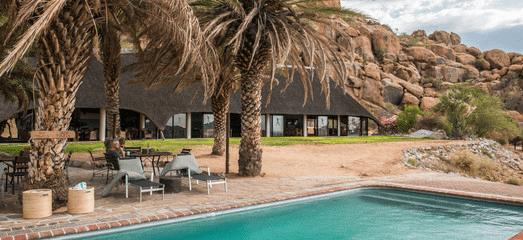
Selecting the right tour operator is one of the most critical decisions you’ll make when planning your adventure.
The right company can elevate your trip from good to absolutely unforgettable. The best Kenya safari tour operators offer deep local knowledge, experienced guides, reliable vehicles, and a commitment to responsible tourism.
With so many options available, from large international companies to small local outfits, it can be overwhelming. A great operator, like Mara Triangle Safaris, focuses on delivering an exceptional and authentic experience. Choosing a reputable operator is the first step toward ensuring you have the best Kenya safari possible.
What to Look For in a Tour Operator
When researching Kenya safari tour operators, look for a few key things. Check for positive online reviews on sites like TripAdvisor and SafariBookings. Ensure they are a registered company with proper licensing. A good operator will have knowledgeable and responsive consultants who can answer your questions in detail.
Most importantly, inquire about their guides. The guide is the single most important factor in your safari experience; they are your tracker, naturalist, and storyteller. An experienced guide is what truly makes for the best Kenya safari.
The Advantage of Local Expertise
While international operators can be great, local Kenyan companies often have an edge. They possess intimate knowledge of the parks, the wildlife, and the culture. They have on-the-ground networks and can often offer more competitive pricing and flexibility.
Companies like Mara Triangle Safaris specialize in specific regions, offering unparalleled expertise in that area. Choosing a local operator not only gives you a more authentic experience but also ensures your money directly supports the local economy, which is a core principle of a responsible and best Kenya safari.
Why is Mara Triangle Safaris a Great Choice?
For those focused on the ultimate Masai Mara experience, an operator like Mara Triangle Safaris is an excellent choice. Specializing in the Mara Triangle—a section of the reserve known for its stunning landscapes, lower vehicle density, and superb wildlife viewing—they offer an exclusive and high-quality safari.
Their deep knowledge of this specific area means their guides know the best spots for sightings and can provide a more in-depth experience. For a trip centered on the heart of Kenya’s most famous reserve, this kind of specialized operator can deliver the best Kenya safari.
Always ask your potential tour operator about their commitment to responsible tourism. Do they support local communities? Do they follow park rules and respect wildlife? Supporting ethical operators is a way to ensure your best Kenya safari has a positive impact.
Hidden Gems and Unique Experiences for the Best Kenya Safari
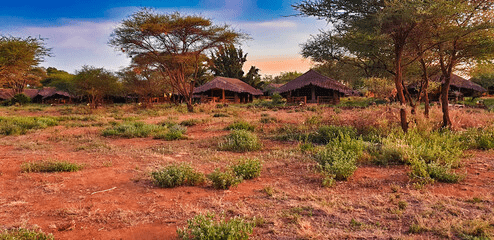
While the Masai Mara and Amboseli are rightly famous, Kenya has so much more to offer.
Venturing off the beaten path can lead to some of the most memorable moments of your trip. These lesser-known parks and unique activities add layers of adventure and discovery to your journey. Crafting the best Kenya safari sometimes means looking beyond the headlines and exploring the country’s quieter corners.
From tracking rhinos on foot to interacting with orphaned elephants, these experiences provide a deeper connection to Kenya’s wildlife and conservation efforts. Adding one or two of these to your itinerary can transform a great trip into the best Kenya safari imaginable.
Nairobi’s Urban Wildlife Encounters
You don’t even have to leave the capital city to start your safari! Nairobi National Park is the only national park in the world located within a city’s limits. It’s a surreal experience to see lions, rhinos, and giraffes against a backdrop of city skyscrapers. This is the perfect option for a one-day safari in Kenya if you’re short on time. Also in Nairobi, you can visit the Sheldrick Wildlife Trust, an orphanage for baby elephants and rhinos.
Watching the keepers feed and play with the young animals is a heartwarming experience. Finally, a stop at the Giraffe Centre allows you to get face-to-face with and even feed endangered Rothschild’s giraffes. These urban adventures are a fantastic start or end to the best Kenya safari.
Lakes of the Great Rift Valley
The Great Rift Valley is dotted with a series of beautiful lakes, each with its own unique charm. Lake Nakuru National Park is famous for its large populations of both black and white rhinos, making it one of the best places in Kenya to see them.
Lake Naivasha, a freshwater lake, offers boat trips to see hippos and a plethora of birdlife. You can also take a walking safari on Crescent Island, a peninsula where you can walk among giraffes, zebras, and wildebeest. This hands-on experience is a highlight for many and a unique component of a best Kenya safari.
The Rugged Wilderness of Tsavo
Tsavo, divided into Tsavo East and Tsavo West, is one of the largest national parks in the world. It’s a land of raw, rugged wilderness, known for its “red elephants” (colored by the red dust they spray on themselves) and the dramatic lava flows of the Shetani.
Tsavo offers a sense of vast, untouched Africa that is different from the more crowded parks. It’s a place for the true adventurer, and exploring its wild landscapes can be a rewarding part of planning the best Kenya safari.
At the Sheldrick Wildlife Trust, you can “adopt” an orphaned elephant. This not only helps fund their reintegration into the wild but also allows you to visit them by appointment in the evening, away from the public crowds, for a more personal experience.
Combining Bush and Beach for the Best Kenya Safari: The Perfect Itinerary
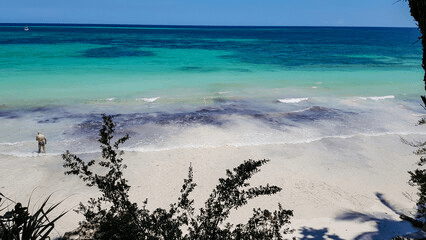
After days of early morning wake-up calls, dusty game drives, and the thrill of tracking wildlife, there’s no better way to unwind than by heading to the coast.
Combining a classic safari with a relaxing beach holiday is the ultimate way to experience East Africa’s diverse beauty. The best Kenya safari itinerary is often one that includes this perfect balance of adventure and relaxation.
You can transition from the golden savannas of the Masai Mara to the pristine white sands and turquoise waters of the Indian Ocean. This “bush and beach” combination is perfect for a Kenya safari honeymoon or any traveler looking to experience the best of both worlds, making your trip the most well-rounded and best Kenya safari.
Diani Beach: Kenya’s Coastal Paradise
Just a short flight from Nairobi, Diani Beach is consistently voted one of Africa’s most beautiful beaches. Its long stretch of powdery white sand is lined with palm trees and protected by a coral reef, making the waters calm and perfect for swimming.
You can spend your days snorkeling, scuba diving, kitesurfing, or simply soaking up the sun. The area has a range of accommodations, from a Kenya private safari villa like Alfajiri to larger all-inclusive resorts. Adding a few days in Diani is a fantastic way to cap off your best Kenya safari.
Wasini Island and Marine Adventures
For those looking for an underwater safari, a day trip to Wasini Island and the Kisite-Mpunguti Marine National Park is a must. You can take a traditional dhow boat out on the water, with a high chance of spotting dolphins along the way.
The snorkeling and diving here are superb, with vibrant coral reefs and a rich diversity of marine life. This aquatic adventure offers a different kind of thrill and is a refreshing contrast to your land-based game drives, adding another unique element to the best Kenya safari.
Cross-Border Beach Bliss in Zanzibar
If you’re already combining your best Kenya safari with a trip to Tanzania, extending your journey to Zanzibar is a natural choice. This historic “Spice Island” offers not only stunning beaches but also a fascinating culture.
You can explore the narrow, winding streets of Stone Town, a UNESCO World Heritage Site, or visit a spice farm to learn about the island’s history. The beaches on the north and east coasts are idyllic, offering everything from bustling resorts to quiet, secluded retreats. This combination truly offers the ultimate East African experience.
If you’re a certified diver, don’t miss the chance to explore the coral reefs off the Kenyan coast. The reefs are teeming with life, and you might even spot whale sharks between November and February. This unique addition can make your trip the best Kenya safari and beach holiday.
What to Know Before You Go to the Best Kenya Safari: Practical Tips
You’ve dreamed, you’ve planned, and now you’re almost ready to embark on your adventure.
But before you pack your bags, a few practical tips can make all the difference between a good trip and the best Kenya safari ever. Knowing what to wear, what to pack, and how to handle local customs will ensure your journey is smooth and enjoyable.
These are the little things I wish I knew before my first safari. Paying attention to these details will help you feel prepared and allow you to fully immerse yourself in the experience, which is the final step in creating your best Kenya safari.
What is the Best Month to Go on a Safari in Kenya?
The best time to visit Kenya depends on what you want to see. The dry seasons (June to October and January to February) are generally considered the best for wildlife viewing, as animals congregate around water sources. The June to October period is also when the Great Migration is typically in the Masai Mara, making it peak season.
The “green seasons” (April to May and November) see more rain but also fewer crowds, lower prices, and beautiful lush landscapes. For birdwatchers, the green season is a paradise. Ultimately, there is no bad time for a best Kenya safari, just different experiences.
What Should You Pack?
Packing for a safari is all about layers and neutral colors.
- Clothing: Pack lightweight clothes in neutral colors like khaki, beige, and olive green. Avoid bright colors, which can startle animals, and dark blue or black, which can attract tsetse flies. Bring long sleeves and pants for early morning and evening game drives when it can be chilly, and to protect against mosquitoes.
- Essentials: Don’t forget a wide-brimmed hat, sunglasses, high-SPF sunscreen, and insect repellent. A good pair of binoculars is a must-have for any safari. A camera with a zoom lens will help you capture those incredible wildlife moments. These items are essential for the best Kenya safari.
Why Can’t You Wear Black on a Safari?
This is a common question! The primary reason to avoid black and dark blue clothing on safari is that these colors are known to attract tsetse flies, which have a painful bite and can, in very rare cases, transmit sleeping sickness.
While the risk is low in most popular safari areas, it’s a simple precaution to take. Additionally, dark colors absorb heat, making you uncomfortable during the day. Sticking to neutral, earthy tones is the standard advice for the best Kenya safari.
Most safari packages from USA and other international destinations have strict luggage limits on internal flights (usually 15 kg / 33 lbs in soft bags). Pack light and use a soft-sided duffel bag instead of a hard-shell suitcase. Most lodges offer laundry services.
Frequently Asked Questions (FAQs)
How much is a 4-day safari in Kenya?
A 4-day safari in Kenya can cost anywhere from $800 to $1,200 per person for basic camping or budget lodges. Mid-range safaris typically cost between $1,600 and $2,800 per person, while luxury options easily exceed $3,000. The price generally includes accommodation, park entrance fees, meals, and guided game drives. Extras like tips, drinks, and optional activities may not be included. It’s wise to check exactly what’s covered in your best Kenya safari package.
Which is the best one-day safari in Kenya?
For a one-day adventure, Nairobi National Park is widely considered the best option. It’s the only national park right next to a capital city and offers sightings of lions, rhinos, giraffes, and more against a city skyline. You can also visit the Sheldrick Elephant Orphanage or Giraffe Centre nearby for a full wildlife experience. This makes it perfect for travelers with tight schedules wanting to sample the best Kenya safari in a single day. Early arrival increases your chances of seeing active wildlife.
How many days are recommended for a Kenya safari?
Ideally, a Kenya safari should last at least 5 to 7 days to allow you to visit two or three different parks. This gives you ample time to spot a wide variety of animals and enjoy both morning and evening game drives. A longer trip allows you to experience diverse landscapes and local cultures, making your adventure the best Kenya safari possible. For those with limited time, a 3-4 day safari to a single park like the Masai Mara still provides a rewarding experience. The more time you have, the deeper your immersion in the wild.
Why can’t you wear black on a safari?
Black and dark blue clothing can attract tsetse flies, which have a painful bite and can transmit disease in rare cases. Dark colors also absorb more heat, making you uncomfortable during sunny days out on the savanna. Neutral, earthy tones like khaki, beige, and green help you blend in and stay cool. Wearing the right colors ensures you’re comfortable and safe during your best Kenya safari. Always follow packing recommendations from your safari provider.
What is the best month to go on a safari in Kenya?
The best months for a Kenya safari are during the dry seasons—June to October and January to February. Wildlife viewing is at its peak because animals congregate around water sources and the grass is low. The Great Migration usually passes through the Masai Mara from July to October, making these months especially popular. However, visiting during the “green season” (April-May, November) offers fewer crowds and lower rates amid lush scenery. Your ideal time depends on whether you prioritize animal sightings or a quieter, more budget-friendly experience.
What I wish I knew before safari?
Many travelers wish they’d packed lighter, prepared for varying weather, and brought binoculars and a good camera. Booking with experienced guides makes a huge difference for wildlife viewing and safety. Early morning and late afternoon drives yield the best sightings in the best Kenya safari experiences. Expect some bumpy rides, and stay flexible—nature is unpredictable! Most importantly, unplug and soak up every moment—you’ll want to savor the memories.
Which is better, Masai Mara or Serengeti?
Both parks are world-famous, but the Masai Mara offers more concentrated wildlife and dramatic river crossings during the Great Migration. The Serengeti is much larger, providing vast, open spaces and an extended migration season. If you want diversity in landscapes or longer migration encounters, the Serengeti is ideal. For shorter trips or a higher density of visible wildlife, the Masai Mara excels. For the ultimate best Kenya safari, many travelers try to visit both.
How many days is enough for a Kenya safari?
Most safari-goers find that 5-7 days is perfect for combining the Masai Mara with at least one other park such as Amboseli or Samburu. This duration balances travel time with relaxation and increases your chances of seeing the Big Five and rare species. Shorter trips (3-4 days) can focus on one premier destination and still be very rewarding. For those wanting a deeper or multi-country experience, 10 days or more allows for extensive exploration. The right length depends on your interests and pace.
Is safari better in Tanzania or Kenya?
Kenya is known for easier logistics, a vibrant safari culture, and high-density wildlife experiences, especially in the Masai Mara. Tanzania offers vast, untouched wilderness and the immense Serengeti and Ngorongoro Crater, which attract those seeking a more remote feel. Both deliver on Big Five sightings and unforgettable landscapes. The best Kenya safari often pairs Kenya and Tanzania for the greatest diversity. Your preference may come down to specific parks or time of year.
How much to tip a safari driver in Kenya?
It’s customary to tip your safari driver or guide $10 to $15 per guest per day for good service. For lodge or camp staff, $5 to $10 per guest per day—often placed in a communal tip box—is typical. Tips are usually given in cash, and U.S. dollars or Kenyan shillings are widely accepted. Though not required, tipping is appreciated and motivates outstanding service on your best Kenya safari. Always ask if you’re not sure about the tipping culture at your chosen lodge.
What is the most luxurious safari in Kenya?
For unrivaled luxury, lodges like Angama Mara, Cottar’s 1920s Camp, and Mahali Mzuri are renowned for extraordinary service, stunning settings, and exclusive experiences. These high-end camps offer gourmet dining, private vehicles, and personalized itineraries. Game viewing often includes private conservancies for maximum intimacy and minimal crowds. The best Kenya safari at this level can cost upward of $1,000 per person, per night. These lodges regularly win awards for being among Africa’s top luxury travel destinations.
Which is better, Kruger or Masai Mara?
Kruger National Park in South Africa is much larger, has varied geography, and allows for self-drive safaris, while the Masai Mara is famed for its intense concentrations of wildlife and the dramatic Great Migration. The Masai Mara generally offers more frequent predator sightings in a small area, whereas Kruger features higher accommodation diversity. The best Kenya safari focuses on the sheer spectacle and open grassland drama of the Mara, while Kruger appeals to self-guided travelers and birders. Both are excellent; your choice depends on the type of safari experience you want.
Which safari is better, Kruger or Serengeti?
Kruger excels in accessibility, self-drive options, and a wide array of lodges, while the Serengeti captivates with its endless plains and iconic migration. The Serengeti’s scale allows for dramatic wildlife scenes and a greater sense of wilderness. If witnessing the migration is a priority, the Serengeti stands out. Kruger is best for flexible, independent travel and big cat sightings. The best Kenya safari adventure often pairs the Serengeti with Kenya’s Masai Mara for the ultimate East African experience.
Which is the best tour company in Kenya?
Mara Triangle Safaris, Asilia Africa, and Gamewatchers Safaris consistently rank among the best due to expert guides, strong conservation ethics, and stellar customer feedback. The most important factors are reputable operations, experienced staff, and strong local connections. Look for companies that are transparent about pricing and give back to communities. The best Kenya safari companies tailor trips to your needs and ensure safe, memorable adventures. Reading recent reviews and asking for recommendations helps narrow down your top choice.
Planning a big trip always comes with a lot of questions. From costs and tipping to choosing between iconic parks, getting clear answers can help you feel confident in your decisions. We’ve gathered some of the most frequently asked questions to help you finalize the details of your trip. Having this information at your fingertips is the final piece of the puzzle in planning the best Kenya safari. Knowing these details will ensure your journey is as smooth and stress-free as possible, allowing you to focus on the incredible experiences that await. This is all part of crafting your best Kenya safari.
How much is a 4-day safari in Kenya?
A 4-day safari in Kenya can vary greatly in price. A budget-friendly camping or basic lodge safari might cost between $800 and $1,200 per person. A mid-range safari with comfortable lodges or tented camps will likely be in the $1,600 to $2,800 range. For a luxury experience, expect to pay $3,000 and upwards. These prices typically include park fees, accommodation, meals, and game drives, making for an excellent best Kenya safari package.
Which is better, Masai Mara or Serengeti?
This is a tough one! Both are incredible. The Masai Mara is more compact, leading to a higher density of wildlife in a smaller area. The Serengeti is vast and offers a sense of endless wilderness. The best Kenya safari might focus on the Mara for its dramatic river crossings, while a Tanzania trip offers the scale of the Serengeti. The ideal solution is to visit both!
Is safari better in Tanzania or Kenya?
Neither is definitively “better”—they are just different. Kenya has a long-established safari industry with excellent infrastructure and is famous for the Masai Mara and Amboseli. Tanzania boasts the vast Serengeti, Ngorongoro Crater, and the option for a more remote experience. Combining them is the ultimate way to get the best Kenya safari and East Africa experience.
How much to tip a safari driver in Kenya?
Tipping is a customary way to show appreciation for good service. A general guideline is to tip your safari driver/guide $10-$15 per guest, per day. For lodge staff, there is usually a communal tip box where you can leave around $5-$10 per guest, per day. This is a small but important part of the budget for your best Kenya safari.
Which is the best tour company in Kenya?
There are many excellent tour companies in Kenya, and the “best” one depends on your needs. For an exclusive experience in the Mara, a specialized operator like Mara Triangle Safaris is a fantastic choice. Researching operators based on reviews, specialization, and their commitment to responsible tourism is key to finding the right fit for your best Kenya safari.
Pro Tip: Always carry some small bills (USD or Kenyan Shillings) for tipping porters, local guides for short activities, and for small purchases. It makes these transactions much smoother during your best Kenya safari.
Ready for an unforgettable adventure?
Your Tanzania Safari is just a click away for the best safari with affordable packages
Let the experts at Mara Triangle Safaris handle all the details for your safari booking so you can focus on making memories. From thrilling game drives to custom-tailored Kenyan expeditions, we bring your dream trip to life.
Contact Mara Triangle Safaris today to book your next adventure!
Contact
- Phone Number :+254 705 635 886
+254 768 212 702 Mail Id :info@maratrianglesafaris.co.ke
deals@maratrianglesafaris.co.ke
2 Comments
Loved the conversational tone — made learning enjoyable.
A concise guide with practical steps — very helpful indeed.