How to Plan a Luxury Safari in March Without the Crowds
Experience a luxury safari in Kenya this March. Discover secret tips for crowd-free game drives, top lodges, packing, and unique wildlife moments.
Luxury Safari in March: How to Avoid the Crowds & Enjoy Kenya’s Wild Side With Mara Triangle Safaris
So, you’ve got this picture in your head of an African safari. Wide-open plains, the odd acacia tree looking majestic, and maybe a lion or two lazing in the sun. But then, a less glamorous image pops in: a dozen safari vehicles all jostling for the same view, kicking up dust and turning a wild moment into something that feels a bit like a traffic jam. That’s the reality for many during peak season. But what if I told you there’s a way to get the Africa of your dreams without the conga line of 4x4s? The secret isn’t some far-flung, impossible-to-reach park. It’s all about timing. Specifically, it’s about planning your luxury safari for March. It’s a bit of a maverick move, going against the grain of the high-season crowds, but it pays off in ways you can’t even begin to tally. This isn’t just about avoiding other people; it’s about getting a more authentic, personal, and frankly, magical experience of the wild.
You might be thinking, “But isn’t March the rainy season?” Well, you’re not wrong, but that’s precisely where the magic lies. It’s what we call the “green season,” and it transforms the landscape and the entire safari dynamic. This guide is your inside track, your backstage pass to planning an unbelievable luxury safari in March. We’re going to break down why this month is a stroke of genius for savvy travelers, where to go for the best experiences in Kenya, what to pack, and how to sidestep the crowds to get that front-row seat to the greatest show on Earth. Forget what you think you know about safari seasons. We’re about to show you a version of Kenya that most people miss, and trust us, you won’t want to share it.
Why is March the Secret Weapon for a Crowd-Free Safari?
Let’s get straight to the point. Most people plan their safaris around the dry season, typically from June to October. This is when the Great Migration is in full swing in the Masai Mara, and the thinner vegetation supposedly makes animals easier to spot. This is what the travel brochures have been telling you for years. But here’s the thing: “easier to spot” also means easier for everyone else to spot. The result? Prime wildlife sightings can sometimes feel like a spectator sport with too many spectators. March, on the other hand, is considered a “shoulder season.” It sits just between the short rains and the long rains, offering a unique window of opportunity. It’s the time when the safari veterans and those in the know choose to travel. You get all the luxury, all the wildlife, and a fraction of the visitors. It’s like having a national park almost all to yourself.
So, what’s the deal with the weather? March in Kenya is wonderfully unpredictable in the best way possible. You’ll likely experience short, dramatic afternoon downpours that last for an hour or so, followed by glorious, clear sunshine. These showers do something incredible: they wash the dust from the air, making the light absolutely brilliant for photography. The landscape, which can be parched and brown in the dry season, explodes into a vibrant, emerald green. The rivers are full, the plains are lush, and the whole world feels fresh and alive. This isn’t the dreary, non-stop rain you might be picturing. It’s a dynamic, life-giving force that completely recharges the ecosystem, and you get to witness it firsthand. Fewer people, a stunning green landscape, and dramatic skies? Sounds like a fair dinkum bargain, if you ask me.
Understanding the “Green Season” Advantage
The term “green season” is your golden ticket. While others are waiting for the dry months, you’ll be experiencing a side of Kenya that is arguably more beautiful and definitely more exclusive. The rains trigger a time of abundance. Flowers bloom, insects buzz, and this burst of life works its way all up the food chain. For wildlife lovers, this means you’re not just seeing the big animals; you’re seeing them in a thriving, dynamic environment. The green season is the nursery of the bush. It’s when many herbivores give birth to their young, taking advantage of the plentiful grass and water. This, in turn, attracts predators, creating a theater of natural drama that is raw, real, and utterly captivating.
The Myth of “Bad” Weather
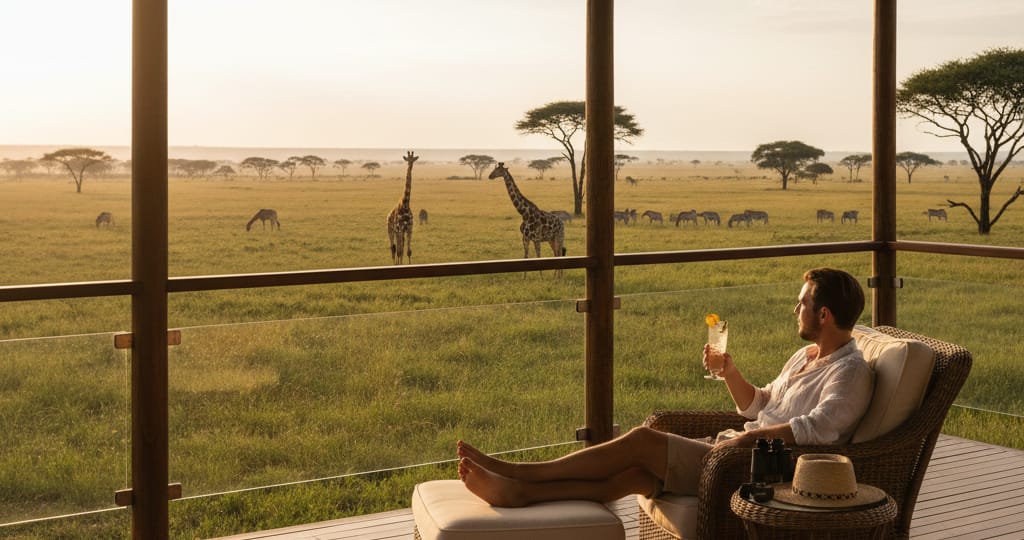
Let’s tackle the rain thing head-on because it’s the main reason people shy away from March. The idea of rain on a holiday can be a downer, but on safari, it’s a different story. These aren’t the persistent, grey drizzles you might get in London or Seattle. We’re talking about powerful, theatrical bursts of rain that are an event in themselves. Imagine sitting on the covered veranda of your luxury tent, gin and tonic in hand, watching a storm roll across the plains. The air cools, the smell of rain on dry earth (a scent called petrichor) fills your senses, and then, as quickly as it came, the storm passes, leaving behind a world washed clean and sparkling in the afternoon sun. These showers rarely disrupt game drives. Our expert guides know exactly how to navigate the weather, often using it to their advantage to track animals.
- Use the afternoon showers as a planned break. It’s the perfect time for a siesta, a spa treatment at your lodge, or simply relaxing with a good book. The animals are often less active in the heat of the day anyway, so you won’t be missing much. When the rain clears, the late afternoon light is what photographers call the “golden hour,” and it’s prime time for heading out on your game drive.
Where to Go in Kenya for the Best March Safari
Right, so you’re sold on March. Cracking choice. Now, where do you head? Kenya is a big country with a massive variety of parks and conservancies, but not all are created equal, especially during the green season. For a luxury experience that minimizes crowds and maximizes wildlife encounters, you need to be strategic. The key is to focus on areas that offer excellent year-round game viewing and are managed to ensure exclusivity. Forget the public reserves that can get a bit chocka even in the shoulder season. Your best bet is to aim for the private conservancies that border the main national reserves. These are massive tracts of land leased from local communities, like the Maasai, and they offer a safari experience that’s a cut above the rest.
The undisputed heavyweight champion for a March safari is the Greater Mara Ecosystem, specifically the private conservancies surrounding the main Masai Mara National Reserve. While the reserve itself is fantastic, the conservancies are where you’ll find the real tranquility and unique perks. Think night drives, walking safaris, and off-road driving to get closer to the action—all things that are strictly forbidden in the national reserve. In March, these conservancies are an oasis of calm. You might go for a whole game drive and only see one or two other vehicles. This exclusivity is the cornerstone of a true luxury safari. It’s the difference between watching a lion hunt from a distance and feeling like you are the only person on Earth witnessing it.
The Magic of the Mara Triangle
The Mara Triangle is a gem. Managed by a non-profit conservancy, it’s known for its excellent infrastructure, well-managed grasslands, and incredibly dense wildlife populations. In March, the Triangle is simply stunning. The Mara River is flowing strong, the plains are a carpet of green, and the resident animal populations are thriving. Because it’s so well-managed, the tracks hold up better in the rain, making game drives smoother and more accessible. You get all the biological richness of the Masai Mara ecosystem but with significantly fewer visitors than in the main reserve. It’s a brilliant compromise, offering vast, open spaces and a genuine sense of wilderness without the logistical challenges that can sometimes come with more remote parks. It’s home to large prides of lions, elusive leopards, and huge pods of hippos and crocodiles in the river.
Private Conservancies: The Ultimate Upgrade
If you want to take your safari from great to absolutely unforgettable, a private conservancy is the way to go. Areas like the Naboisho, Olare Motorogi, and Mara North conservancies are game-changers. Here’s why:
- Strict Vehicle Limits: These conservancies have strict rules about the number of vehicles allowed at any one sighting. This means no scrum, no jostling for position. It’s just you, your guide, and the wildlife.
- Exclusive Activities: Fancy a walking safari with a Maasai warrior? Or a night drive to find nocturnal creatures like bushbabies and aardvarks? These activities are only possible in private conservancies and add a whole new dimension to your safari.
- Community Partnership: The lodges in these conservancies pay fees to the local Maasai landowners, which directly supports the community and gives them a vested interest in protecting the wildlife. It’s a sustainable model of tourism you can feel good about.
Choosing a conservancy means you’re investing in a more intimate, flexible, and impactful safari experience. In March, when visitor numbers are naturally low, staying in a conservancy feels like you’ve been let in on a magnificent secret.
- Combine a few days in the Mara Triangle with a few days in an adjoining private conservancy. This gives you the best of both worlds. You can experience the epic scale of the Triangle and then retreat to the exclusivity and unique activities of the conservancy for a truly comprehensive Mara experience.
What Wildlife Can You Expect to See in March?
This is the million-dollar question, isn’t it? People worry that the rains and longer grass will make animals disappear. Let me put that worry to rest. That’s a load of rubbish. The animals don’t pack their bags and go on holiday in March. In fact, for many species, it’s one of the most exciting and dynamic times of the year. The green season is a time of feasting and flourishing. The resident wildlife populations in areas like the Masai Mara are immense and don’t migrate away. Lions, leopards, cheetahs, elephants, giraffes, and buffalo are all here, and they are active. The idea that long grass makes them impossible to see is a common misconception. Our guides are masters of tracking, and the vibrant green landscape makes the animals’ coats stand out in stark contrast.
The real headline act of March is the sheer abundance of new life. This is calving and birthing season for countless species. The plains are dotted with baby animals—wobbly-legged wildebeest calves, tiny gazelle fawns sticking close to their mothers, and playful zebra foals. This explosion of new life is incredibly heartwarming to witness. Of course, this vulnerability also attracts predators. While it can be tough to watch, the predator-prey dynamic is at its most intense during this time. You have a very high chance of witnessing a hunt, a chase, or the strategic stalking of a lion pride. It’s the circle of life playing out right in front of you, raw and unfiltered.
The Big Cats are Thriving
Worried you won’t see the big cats? Don’t be. The lions, leopards, and cheetahs of the Mara are here to stay, and the green season offers unique opportunities to see them. With so many young, vulnerable herbivores around, the predators are in their element. They don’t have to travel as far for a meal, which means they are often more relaxed and visible. You might find a lion pride lounging in the sun, bellies full, or a cheetah using a termite mound as a vantage point to scan the plains for its next opportunity. The slightly cooler temperatures in March also mean that the cats can be more active during the day, rather than just hiding in the shade. The lush greenery also provides perfect cover for leopards, and our expert guides know their territories and favorite hiding spots, giving you a brilliant chance of spotting this famously elusive cat.
Birdwatching is Off the Charts
If you have even a passing interest in birds, March will blow your mind. It’s a phenomenal time for birdwatching. Not only are the resident species looking their absolute best in their breeding plumage, but they are also joined by a huge number of migratory birds from Europe and Asia. The landscape is alive with colour and song. From the magnificent Grey Crowned Crane (Uganda’s national bird, but a stunner here in Kenya) to tiny, jewel-like sunbirds flitting between flowers, the avian life is spectacular. The seasonal waterholes and full rivers attract a plethora of water birds, and the air is filled with the calls of cuckoos and other migrants. Even if you don’t consider yourself a “birder,” you can’t help but be impressed by the sheer variety and beauty on display. It adds a rich, colourful layer to your safari experience.
- Pack a pair of binoculars! Even if your guide has a pair, having your own means you can scan the horizon or get a closer look at a distant bird whenever you want. Ask your guide to help you identify the different species—they are walking encyclopedias of the bush and love to share their knowledge.
Your Luxury Accommodation: More Than Just a Place to Sleep
A luxury safari isn’t just about what you see on a game drive; it’s about the entire experience. Your choice of accommodation plays a huge role in that. In March, you’re in for a treat. Because it’s the shoulder season, you can often access some of the most exclusive, top-tier lodges and camps for a fraction of their peak-season price. This isn’t about cutting corners; it’s about smart travel. You get the same impeccable service, the same gourmet food, the same breathtaking views, and the same world-class guiding, but with better value and a more intimate atmosphere. The camps are quieter, the staff are even more attentive, and you feel less like a tourist and more like a welcome guest in a spectacular private home.
The concept of luxury in the bush has evolved. It’s not about gold taps and chandeliers. It’s about comfort, authenticity, and a deep connection to your surroundings. Think spacious, beautifully designed tented suites with private verandas overlooking the plains. Imagine falling asleep to the sound of a distant lion roar or waking up to see giraffes nibbling on the acacia trees outside your window. These camps are designed to immerse you in the environment while providing every creature comfort. Private butlers, infinity pools that seem to merge with the savannah, and meals served in stunning, surprise locations (“bush dinners”) are all part of the package. This level of service and attention to detail is what elevates a safari from a simple holiday to a life-changing experience.
Tented Camps vs. Solid Lodges
You’ll generally have two main choices for high-end accommodation: luxury tented camps or more traditional solid-walled lodges. So what’s the difference?
- Luxury Tented Camps: Don’t let the word “tent” fool you. These are canvas palaces. They have solid floors, proper beds with high-end linens, en-suite bathrooms with flushing toilets and hot showers, and often, private decks. The canvas walls mean you are completely immersed in the sounds of the bush. It’s a more visceral, connected experience.
- Solid Lodges: These are more like boutique hotels in the wild. They offer a greater sense of separation from the outdoors, which some people prefer. They often have amenities like air conditioning and larger communal areas.
Honestly, you can’t go wrong with either, but for a truly authentic safari feeling, most people find that a luxury tented camp is the way to go. It offers the perfect blend of rustic adventure and sophisticated comfort.
What Makes a Lodge Truly Luxurious?
It’s the little things that count. A truly luxurious safari lodge focuses on the details that make your stay effortless and memorable. It’s the hot water bottle slipped into your bed on a cool evening. It’s your favourite drink remembered and waiting for you after a long game drive. It’s the expert guide who not only finds the leopard but can also tell you its life story and family tree. It’s the chef who comes to your table to discuss your dietary needs and then prepares a stunning meal just for you. In March, with fewer guests, this personalized service is even more pronounced. The staff have more time to get to know you and anticipate your needs, making your stay feel exceptionally special.
- When booking, ask about the camp’s guide-to-guest ratio and their private vehicle policy. The best camps ensure you have a dedicated guide and vehicle for your entire stay, meaning you’re on your own schedule. You can decide you want to spend three hours watching a den of hyena pups or head back to camp early for a swim. That flexibility is true luxury.
What Should You Pack for a March Safari?
Packing for a safari is all about smart, versatile layers. The weather in March can be a mixed bag—warm and sunny one moment, cool and rainy the next. Your wardrobe needs to be able to handle it all. The key is to avoid overpacking. Luggage space on the small bush planes that connect the parks is often limited, so efficiency is your best friend. Stick to a neutral colour palette. Khaki, beige, green, and brown are your go-to colours. They don’t distract wildlife and are less likely to attract insects. Bright colours are a no-go, and it’s best to avoid black and dark blue, as they can attract tsetse flies in some areas. White is also impractical as it gets dirty very quickly.
Think functionality first. You’ll want lightweight long-sleeved shirts and trousers. These are brilliant for a few reasons. They protect you from the sun during the day, keep you warm on chilly morning drives, and offer protection from mosquitoes in the evening. Cotton or moisture-wicking fabrics are ideal. For a typical day, you might start with a t-shirt, a fleece or warm jacket over it, and a scarf. As the sun comes up and it gets warmer, you can peel off the layers. Then, as evening approaches or a storm rolls in, you can add them back on. It’s a simple system that works a treat.
Your Essential Safari Packing List
Here’s a cheeky little checklist to get you started. Remember, most lodges offer laundry services (often complimentary), so you don’t need a different outfit for every single day.
| Category | Items | Why You Need It |
|---|---|---|
| Clothing | 3-4 Long-sleeved shirts, 3-4 T-shirts, 2 pairs of safari trousers, 1 pair of shorts | Versatile layers for changing temperatures and sun/insect protection. |
| Outerwear | A warm fleece or jacket, a lightweight waterproof rain jacket | Essential for cool mornings/evenings and the famous March afternoon showers. |
| Footwear | Comfortable, broken-in walking shoes (like trainers or trail shoes) | For walking safaris and general comfort around camp. No need for heavy boots. |
| Accessories | Sun hat, sunglasses, scarf or buff, swimsuit | Sun protection is non-negotiable. A scarf is great for warmth and dust. |
| Health/Tech | Prescription meds, basic first-aid kit, insect repellent, sunscreen | Be prepared. Most camps have kits, but it’s good to have your own basics. |
| Gear | Binoculars, camera with extra batteries and memory cards, power bank | Don’t miss a thing! Power can be limited to certain hours in some camps. |
What NOT to Pack
Just as important is what you leave at home. Avoid camouflage clothing, as it’s associated with military personnel in many African countries and is not appropriate for civilians. Don’t bring expensive jewelry; it’s unnecessary and can be a liability. Leave the high heels and fancy clothes behind—safari chic is all about being practical and comfortable. And definitely don’t bring a drone. They are banned in all national parks and conservancies as they disturb the wildlife and other guests. The aim is to blend in, not stand out.
- Pack your essentials—medication, a change of clothes, and your camera—in your carry-on bag. Luggage can sometimes be delayed on international flights, and having your must-have items with you will ensure a smooth start to your safari, no matter what.
How to Structure Your Perfect March Itinerary
Alright, let’s get down to the brass tacks of planning your trip. A well-structured itinerary is crucial for making the most of your time and ensuring a seamless, stress-free adventure. Rushing from one park to another is a rookie mistake. The real luxury is in slowing down and properly immersing yourself in a location. For a trip of about 10 to 14 days, a great approach is to combine two or three distinct locations that offer different landscapes and experiences. This gives you a broader taste of what Kenya has to offer without spending half your holiday in transit. In March, focusing on areas that are easily accessible via bush plane and known for their superb green season viewing is the way to go.
A classic and highly effective itinerary starts with a night in Nairobi to decompress after your international flight. From there, you can fly into the heart of the action. A fantastic combination is to pair the vast plains of the Masai Mara with a contrasting landscape, like the rugged hills of Laikipia or the flamingo-filled lakes of the Great Rift Valley. This variety keeps things interesting and showcases the incredible diversity of Kenya’s ecosystems. The key is to allow at least three to four nights in each safari location. This gives you enough time to settle in, get to know your guide, and explore the area thoroughly without feeling rushed. Remember, safari isn’t a checklist. It’s about patience and letting the magic unfold.
A Sample 10-Day Luxury Itinerary
This is just a template, but it gives you an idea of a well-paced, high-impact trip.
- Day 1: Arrival in Nairobi. Arrive at Jomo Kenyatta International Airport (NBO), where you’ll be met and transferred to a luxurious boutique hotel. Relax, acclimatize, and maybe enjoy a fantastic dinner.
- Day 2-5: The Mara Triangle. After breakfast, take a short flight from Wilson Airport to the Masai Mara. You’ll be met at the airstrip by your guide and enjoy a game drive en route to your camp in the Mara Triangle. Spend the next three days exploring this wildlife-rich area with morning and afternoon game drives.
- Day 6-9: A Private Laikipia Conservancy. Fly from the Mara to Laikipia, a stunning region known for its pioneering conservation work and incredible scenery. Here, you can indulge in unique activities like camel trekking, visiting a rhino sanctuary, or even fly-camping under the stars. The contrast with the Mara is spectacular.
- Day 10: Departure. Enjoy a final morning activity and breakfast before flying back to Nairobi’s Wilson Airport. You’ll be transferred to Jomo Kenyatta Airport for your international flight home, filled with memories that will last a lifetime.
Why Flying is Better Than Driving
For a luxury safari, flying between parks is the only way to travel. The distances between major parks in Kenya are vast, and the roads can be rough and slow. What would be a full day of uncomfortable driving becomes a scenic one-hour flight in a small Cessna or Caravan. These flights are an experience in themselves, offering breathtaking aerial views of the landscapes you’re about to explore. They maximize your time on the ground, doing what you came to do: enjoying the wildlife. It’s efficient, comfortable, and allows you to build a much more dynamic and enjoyable itinerary.
- Work with a safari specialist who can handle all the logistics for you. A good operator will have deep knowledge of the best camps, seamless flight connections, and top-tier guides. This takes all the stress out of planning and ensures that every detail, from airport transfers to dietary requests, is taken care of. Your only job is to show up and have the time of your life.
This guide should give you the confidence to buck the trend and plan a truly exceptional safari in March. It’s a time for savvy travellers who value exclusivity, lush landscapes, and dynamic wildlife encounters over ticking a box in the high season. Go on, be a bit of a maverick. You won’t regret it.
Contact Us Today
Email: info@mara-triangle-safaris
deals@maratrianglesafaris.co.ke
Phone: (+254) 705 635 886
(+254) 768 212 702
Venus complex, Northern bypass, 1st floor room 4107
Website: https://maratrianglesafaris.co.ke/contact/
Visit our contact page at https://maratrianglesafaris.co.ke/contact/ to get in touch.
We can’t wait to welcome you to Kenya!