

Pros and Cons of Kenya Safari in the Rainy Season: Mara Triangle Safaris Guide
Discover the pros and cons of a Kenya safari in the rainy season. Learn expert tips, weather insights, and migration details for your perfect African adventure with us.
Unveiling the Magic of a Kenya Safari in the Rainy Season
You might think rain ruins a holiday. Most people believe sunny skies are the only way to travel. However, booking a Kenya safari in the rainy season is actually a brilliant insider secret that savvy travelers use to see Africa differently. We know that the thought of rain scares many tourists away from the savannah plains. But this fear often means they miss out on the most dramatic skies and vibrant green landscapes you can ever see.
When you choose a Kenya safari in the rainy season, you are signing up for a private show where nature comes alive in ways the dry season cannot match. The dust settles down completely. The air becomes crisp and clear for photography. Flowers bloom suddenly across the Mara Triangle, turning the golden plains into a colorful garden. It is truly a spectacular time to be here.
But there is more to the story.
Going on a Kenya safari in the rainy season is not just about dodging showers or wearing a raincoat in the jeep. It is about witnessing the circle of life in its rawest form. While others are fighting for a view in the peak season, you get the front row seat all to yourself. We have guided countless guests who were skeptical at first but left claiming it was their best trip ever. The animals are energetic and full of life. The predators are active and hunting.
You get to see the real Africa without the convoys of minivans blocking your view. A Kenya safari in the rainy season offers an intimacy with the wild that is hard to find elsewhere. It is wild, unpredictable, and absolutely thrilling for anyone with an adventurous spirit.
Unique Wildlife Behavior
The Green Season Appeal
Bring a waterproof bag for your camera gear to keep it safe during sudden showers.
Detailed Weather Patterns for a Kenya Safari in the Rainy Season
You need to know exactly what you are getting into.
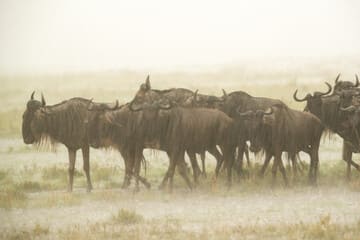
The weather is the biggest factor when planning a Kenya safari in the rainy season, and it is often misunderstood by travelers. In Kenya, we generally have two distinct rainy seasons that you should know about. The “Long Rains” usually fall from March to May, which can be heavy and prolonged. Then we have the “Short Rains” in November and December. However, even during a Kenya safari in the rainy season, it rarely rains all day long like it does in London or Seattle. Usually, you get sunny mornings followed by a dramatic afternoon thunderstorm that clears up quickly. This pattern allows for plenty of game drive opportunities. Consulting a Masai Mara Weather Guide is smart, but local knowledge is better. We monitor the skies constantly to ensure you are in the right place at the right time.
Let’s break it down further for you.
Understanding the specific months helps you plan your Kenya safari in the rainy season with much more confidence. For instance, Masai Mara in December weather is often marked by short, refreshing showers that bring the grass to life. In contrast, Masai Mara January weather can be a bit drier before the rains pick up again. If you are looking at Masai Mara in February weather, it is often hot and dry, serving as a buffer before the long rains start. Knowing these nuances helps you pack right. You might wonder what is the best time to do a safari in Kenya if you hate rain. But if you love drama, the wet season is perfect. A Kenya safari in the rainy season means dynamic weather that changes by the hour. It is exciting and keeps every game drive feeling fresh and unpredictable.
The Long Rains Explained
The Short Rains Overview
Dress in layers because it can be hot before the rain and chilly afterwards.
Wildlife Migration Events During a Kenya Safari in the Rainy Season
This is the big question everyone asks us.
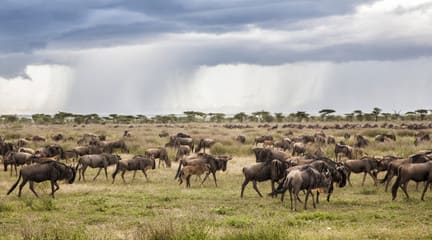
Is the migration visible during a Kenya safari in the rainy season, or do the animals disappear completely? The Great Migration is a year-round cycle, not just a one-time event in July. The herds move constantly in search of fresh grazing and water. During the rainy periods, the Loita Plains and parts of the Mara Triangle conservancy teem with life. If you time your Kenya safari in the rainy season correctly, you can catch the herds in different stages. The best time to visit Masai Mara for migration river crossings is typically dry season. However, the wet season offers the calving season in the Serengeti ecosystem, which spills over. You see thousands of baby animals taking their first steps. It is heartwarming and brutal all at once.
There is plenty of action to see.
Predators love the calving season because there are easy targets everywhere on the plains. A Kenya safari in the rainy season gives you a backstage pass to this intense survival drama. You might see a cheetah teaching her cubs to hunt or lions stalking through the tall, green grass. The circle of life is much more visible when there are young ones around. While the best time to visit Masai Mara and Serengeti for sheer numbers might be later, the rainy season offers quality sightings. We always tell guests that a Kenya safari in the rainy season is for those who appreciate behavior over just counting heads. The best time to visit Kenya safari Masai Mara depends on what you value most. If you value action and new life, this season delivers big time.
The Calving Season
Predator Action
Carry binoculars to spot predators hiding in the taller, greener grass.
Analyzing Costs for a Kenya Safari in the Rainy Season
Here is the best part for your wallet.
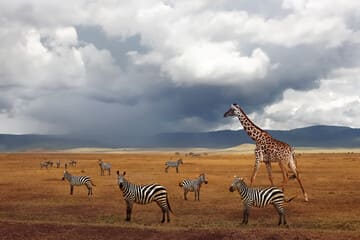
Booking a Kenya safari in the rainy season is significantly cheaper than travelling during the peak dry months. Lodges and camps often lower their rates to attract visitors during this “Green Season.” You can stay in luxury tented camps that might be out of budget in August. Safari package prices drop, giving you more bang for your buck. This means you can stay longer or upgrade your accommodation without breaking the bank. We at Mara Triangle Safaris offer fantastic deals during these months. A Kenya safari in the rainy season allows you to experience high-end luxury for a fraction of the cost. You get the same excellent service, the same incredible food, and the same expert guiding.
Think about the savings you will make.
You can use the money you save on Masai Mara park fees and accommodation for other experiences. Maybe add a hot air balloon ride or a cultural visit to a Masai village. Safari package prices fluctuate, but the rainy season is consistently the most affordable time to visit East Africa. It is definitely cheaper than a trip to Antarctica, that’s for sure! By choosing a Kenya safari in the rainy season, you are being a smart traveler. You avoid the “tourist tax” of peak season pricing. We can help you customize an itinerary that maximizes these savings. A Kenya safari in the rainy season is the ultimate travel hack for budget-conscious adventurers who refuse to compromise on quality.
Accommodation Deals
Lower Park Traffic
Ask us about special “Green Season” offers when you make your booking inquiry.
Traveling with Kids on a Kenya Safari in the Rainy Season
Are you worried about bringing the little ones?
Planning a Kenya safari with toddler in tow can seem daunting, especially with the weather forecast in mind. But a Kenya safari in the rainy season can actually be great for families. The cooler temperatures make it much more comfortable for children who might get cranky in the scorching heat. The dust is minimal, which is great for kids with allergies. Plus, the shorter game drives between showers suit short attention spans perfectly. We know the Mara Triangle like the back of our hand. We can keep the kids entertained with animal tracking and nature walks near the camp. A Kenya safari in the rainy season turns the bush into a classroom.
It creates lasting family memories.
Kids love the mud and the puddles, so why not embrace it fully? When you are on a Kenya safari in the rainy season, everything is an adventure for a child. Seeing baby animals during the calving period is magical for young minds. They learn about nature intimately. We ensure safety is paramount, especially when Mara Triangle camping with little ones. Our guides are great with kids and know how to make the experience fun. We can adjust the schedule to fit your family’s needs. A Kenya safari in the rainy season is flexible, unlike the rigid schedules of peak season. You get to relax and bond as a family without the rush.
Comfort for Children
Educational Opportunities
Pack plenty of games and books for the kids during the afternoon rain showers.
Dealing with Mud on a Kenya Safari in the Rainy Season
Let’s be real about the road conditions.
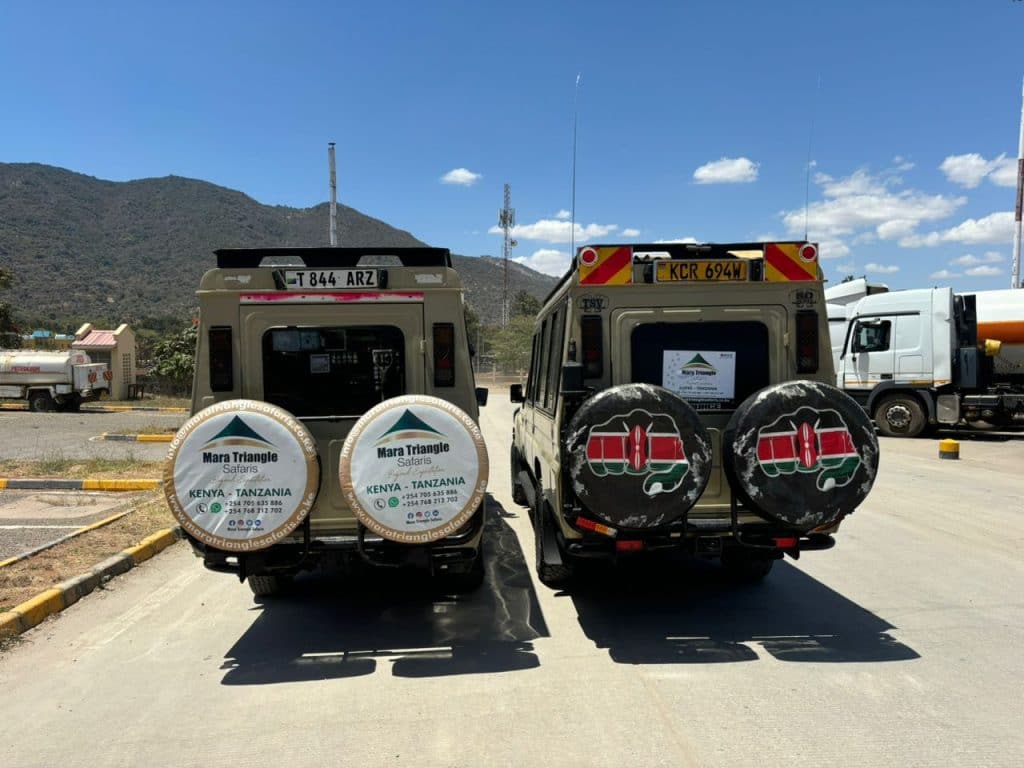
One of the main cons of a Kenya safari in the rainy season is the mud. Black cotton soil becomes very sticky and slippery when wet. This can make navigating some roads in the Mara Triangle challenging. However, getting stuck is sometimes part of the African adventure! Our 4×4 Land Cruisers are built for this terrain and our drivers are experts. They know exactly how to handle the vehicle during a Kenya safari in the rainy season. It adds a bit of adrenaline to your journey. You need to be patient and keep a sense of humor. If we do get stuck, it is a great story to tell later.
It affects where we can go.
Some areas might be inaccessible, but that doesn’t mean you won’t see animals. A Kenya safari in the rainy season requires flexibility in the itinerary. We might stick to the main tracks or higher ground where drainage is better. Using a Mara Triangle map, we plan routes that are safe yet productive. We avoid the deep marshes to keep you moving. While it is a challenge, it also keeps the crowds away. You won’t find a traffic jam in the mud! A Kenya safari in the rainy season is for the bold traveler. It is rugged, authentic, and completely unforgettable.
Road Challenges
Vehicle Capabilities
Wear comfortable shoes that you do not mind getting a little bit muddy.
Exclusive Wildlife Viewing on a Kenya Safari in the Rainy Season
Imagine having the park to yourself.
The biggest pro of a Kenya safari in the rainy season is the exclusivity. In peak season, you might share a lion sighting with twenty other vehicles. In the rainy season, it might just be you and the lions. This solitude allows you to observe behavior without distraction. You can sit for an hour watching a leopard and never see another car. This is the true essence of a Kenya safari in the rainy season. We prize this privacy highly at Mara Triangle Safaris. It connects you deeper with the wilderness. You can hear the sounds of nature, not the engines of other cars.
You see animals in their prime.
What are some native animals you can see? All of them! Elephants, giraffes, zebras, and lions do not leave just because it rains. In fact, elephants love the mud and water. A Kenya safari in the rainy season offers incredible sightings of elephants playing in waterholes. The Mara Triangle is famous for its high density of predators. With fewer vehicles, the animals are more relaxed and approachable. You get better photos and better memories. A Kenya safari in the rainy season transforms a standard holiday into a private expedition. It feels like your own personal wildlife documentary.
No Crowds
Relaxed Animals
Ask your guide to turn off the engine to listen to the rain and wildlife.
Photography Benefits of a Kenya Safari in the Rainy Season
Photographers absolutely love this time of year.
If you want dramatic photos, you must book a Kenya safari in the rainy season. The light is softer and the air is free of dust haze. The storm clouds provide a moody, dramatic background that looks amazing in pictures. The green grass contrasts beautifully with the black and orange stripes of the big cats. A Kenya safari in the rainy season provides a color palette that the dry season simply cannot match. Everything is vivid, sharp, and bursting with life. You will fill your memory cards very quickly.
Capture unique atmospheric shots.
Rainbows are very common after an afternoon shower on the plains. Imagine a lion framed by a double rainbow! That is only possible on a Kenya safari in the rainy season. We know the best spots for photographers in the Mara Triangle. We position the vehicle to get the best angles and lighting for you. Whether you are a pro or an amateur, your photos will stand out. A Kenya safari in the rainy season makes every shot look like a masterpiece. The wet fur of animals adds texture and detail. It is a visual feast for anyone with a camera.
Dramatic Lighting
Vibrant Colors
Bring a polarizing filter to manage the glare from wet leaves and grass.
Packing Essentials for a Kenya Safari in the Rainy Season
You must pack smart for this trip.
Going on a Kenya safari in the rainy season requires a slightly different packing list than usual. You definitely need a good quality, lightweight rain jacket. Waterproof shoes or boots are also a must-have for walking around camp. Quick-drying clothes are better than heavy cottons like denim. During a Kenya safari in the rainy season, laundry can take longer to dry, so pack extra layers. We recommend converting pants that can zip off if it gets hot. It is all about versatility.
Don’t forget the small things.
Mosquitoes can be more active, so bring plenty of insect repellent. A warm fleece is needed for the chilly mornings and evenings. Even on a Kenya safari in the rainy season, the sun can be strong between storms, so bring a hat and sunscreen. We provide blankets in our vehicles, but personal comfort is key. Being prepared ensures that the weather never dampens your spirit. A Kenya safari in the rainy season is comfortable if you have the right gear. We advise all our guests on what to bring before they arrive.
Clothing Guide
Health and Safety
Pack your clothes in plastic bags inside your suitcase to keep them dry.
Common Questions About a Kenya Safari in the Rainy Season
We get asked these questions every day.
There is a lot of confusion about what to expect on a Kenya safari in the rainy season. To help you decide, we have compiled the most frequent queries we receive. We want you to feel totally prepared for your adventure. A Kenya safari in the rainy season is different, but different is often better.
Read on to clear up your doubts.
Are safaris better in the rain?
Many people argue that a Kenya safari in the rainy season is better because of the lush scenery and lack of crowds. The animals are healthy, the dust is gone, and the colors are vibrant. You get a more private and exclusive experience.
What happens if it rains on safari?
If it rains, we simply put the roof down or close the windows for a bit. The animals often stand still or play in the rain, which is cool to watch. Rain showers are usually short, so we wait them out. A Kenya safari in the rainy season continues despite the weather.
What is the best month to go on a safari in Kenya?
The “best” month depends on what you want; Masai Mara November weather offers short rains and green grass. Masai Mara July weather is dry and busy with the migration. For value and solitude, choose a Kenya safari in the rainy season.
What I wish I knew before safari?
Most guests wish they knew how cold it gets in the early mornings. They also wish they brought a better camera to capture the moments. On a Kenya safari in the rainy season, guests often wish they brought extra socks!
Do I need a raincoat for safari?
Yes, absolutely bring a lightweight, waterproof raincoat or poncho. It will keep you dry during sudden downpours on game drives. It is an essential item for any Kenya safari in the rainy season.
What are the disadvantages of a safari park?
Sometimes parks can get crowded in peak season, ruining the vibe. In the rainy season, the main disadvantage is muddy roads. A Kenya safari in the rainy season avoids the crowds but challenges the driving skills.
Does rain affect safari?
Rain affects the roads and sometimes animal visibility if the grass is very tall. However, it does not stop the game drives or the wildlife viewing. A Kenya safari in the rainy season is still fully operational.
What is the best time to do a safari in Kenya?
If you want to avoid rain, go June to October or January to February. If you want low rates and green landscapes, go April to May. A Kenya safari in the rainy season is best for budget and photography.
Keep an open mind and enjoy whatever nature throws at you on the day.
Ready for an adventure?
Don’t let a little rain stop you from seeing the beauty of Africa. We at Mara Triangle Safaris are ready to show you the magic of the green season. Whether you want to see the migration or enjoy a quiet family trip, a Kenya safari in the rainy season is the perfect choice.
Contact us today to start planning your unforgettable Kenyan journey!
Email: info@mara-triangle-safaris
deals@maratrianglesafaris.co.ke
Phone: (+254) 705 635 886
(+254) 768 212 702
Venus complex, Northern bypass, 1st floor room 4107
Website: https://maratrianglesafaris.co.ke/contact/
Visit our contact page at https://maratrianglesafaris.co.ke/contact/ to get in touch.
We canât wait to welcome you to Kenya!