
Safari in March vs. Peak Season: Which Offers Better Value?
Comparing March safaris to peak season in Kenya and Tanzania. We crunch the numbers on crowds, wildlife, weather, and value. Read before you book.
March Safari vs. Peak Season: Which Offers Better Value? (Real Cost Breakdown)
🦒 Right then. Let’s settle this once and for all.
You’re sitting there 📱, probably with fifty browser tabs open.
✈️ Flights.
🏕️ Accommodation.
💰 Park fees.
💱 Exchange rates.
🤯 Your head is spinning.
And the big question won’t go away:
Should I stretch my budget for peak season or save some cash and go in March? ❓
It’s a fair question.
A safari isn’t cheap, no matter how you slice it. 💸
Whether you’re saving in dollars, pounds, or euros you want to know you’re spending smart.
Not just throwing money at a trip because someone told you July is “the best time.” 🗑️🚫
Here’s the thing.
🏆 “Best” means different things to different people. 🔴🔵🟢
And value?
That’s not just about the price tag 🏷️❌. It’s about what you get for your money. ⚖️
So let’s break it down.
🥊 March versus peak season. Head to head. No bias. Just facts. ✅
What Do We Mean by “Peak Season” Anyway?
Before we compare, we need to define our terms.
Peak Season Windows
In East Africa, peak season hits twice a year:
- July through October: This is the Great Migration show in the Maasai Mara. River crossings. Crocodiles. Chaos. It’s what you see on National Geographic.
- December through January: The Christmas and New Year rush. Families on holiday. Great weather. Full hotels.
The March Reality
March sits in what we call “shoulder season.” It’s the bridge between dry and wet. Early March still feels like peak. Late March starts shifting toward the green season.
Here’s what that means for your wallet and your experience.
Pro Tip: If your dates are flexible, even shifting by a week or two can save you hundreds.
Early March vs. late March can have different price points at some camps.
Let’s Talk Money: What’s the Actual Price Difference?
Alright, let’s get down to brass tacks. How much are we really talking about?
Peak Season Price Tag
During peak season, camps and lodges charge their highest rates. Simple supply and demand. Everyone wants to go then, so prices go up.
For a mid-range safari in peak season, you’re looking at:
- Per person, per night: $400–$700 USD
- 7-day safari: $3,500–$5,500 USD per person
For luxury camps? Double those numbers. Easy.
March Price Tag
March brings those prices down. Sometimes significantly.
For the same camps in March:
- Per person, per night: $250–$450 USD
- 7-day safari: $2,200–$3,500 USD per person
The Percentage Breakdown
That’s roughly 30–40 percent less in March. On a week-long safari for two people, we’re talking savings of $1,500 to $3,000 USD. That’s real money.
What could you do with that?
- Add Zanzibar for four nights
- Upgrade from camping to luxury tented camp
- Book a private vehicle for the whole trip
- Extend your safari by three days
- Fly business class instead of economy
Flights Are Cheaper Too
Peak season flights to Nairobi or Kilimanjaro? Pricy. Airlines know when school holidays hit and when the migration is happening.
March flights? Often significantly cheaper. Check any flight comparison site. You’ll see the difference.
Pro Tip: When comparing prices, look at all-in costs.
Some March deals include things that peak season rates charge extra for—like park fees or airport transfers. Read the fine print.
Crowds: Do You Want Company or Solitude?
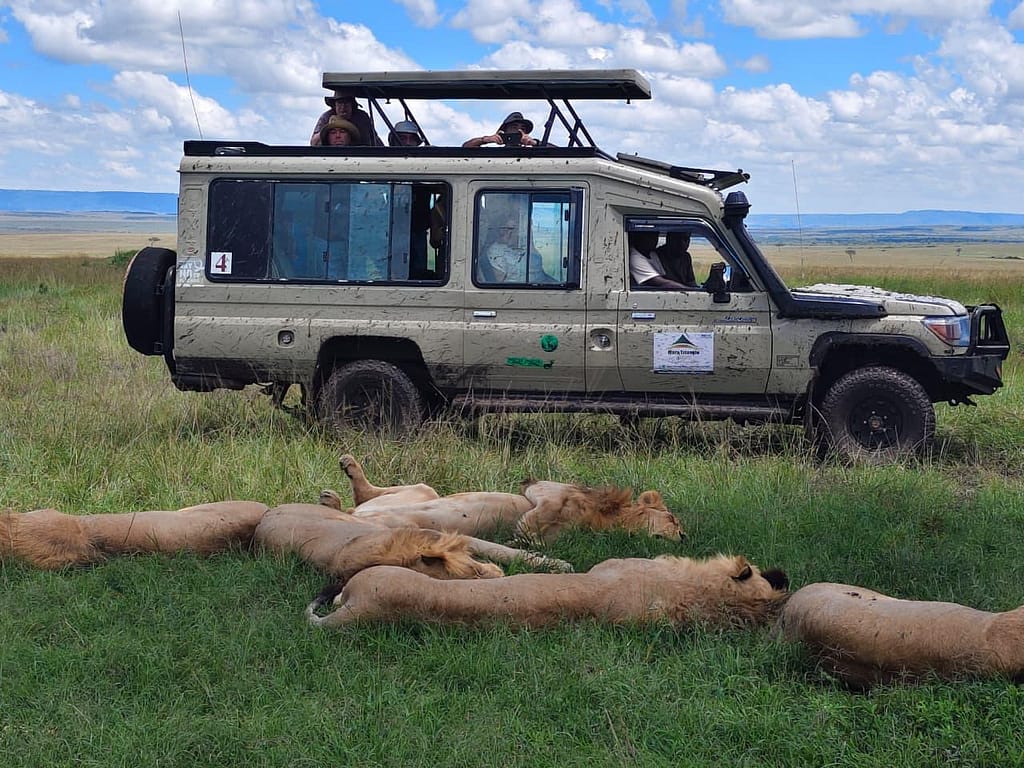
Here’s a question. How do you feel about sharing your lion sighting with 15 other vehicles?
Peak Season = Peak Crowds
In July and August, the Mara is packed. Great sightings, sure. But you’ll queue up for them. Guides radio each other constantly. “Lion sighting, Grid 247, come quick.” Within minutes, you’re in a traffic jam.
Game drive vehicles line up like cars at a McDonald’s drive-through. You get your photo, then move along so the next vehicle can pull in.
March = Your Own Private Africa
March flips the script. Tourist numbers drop way off. School’s back in session. The Christmas crowd went home. The migration crowd hasn’t arrived yet.
You pull up to a leopard in a tree and you’re the only vehicle there. You spend an hour with a lion pride and hear nothing but their breathing and the birds.
Does That Matter?
Only you can answer that. Some people don’t mind crowds. They’re there for the checklist. See the animals. Take the photos. Move on.
But if you want the feeling of Africa—the solitude, the silence, the sense that you’re the only humans for miles—March delivers that in spades.
Pro Tip: Even in March, request a private vehicle if your budget allows.
Having your own guide changes everything. Stop when you want. Stay as long as you want. Leave when you’re ready.
Wildlife: Are You Actually Seeing Less in March?
This is the fear, right? Pay less, see less. Is that how it works?
Peak Season Wildlife = Spectacle
No question. July through October in the Mara is extraordinary. The migration brings millions of animals. River crossings are pure drama. Predators follow the herds. It’s nature’s greatest show.
March Wildlife = Intimacy
But here’s what the brochures don’t tell you. The migration herds aren’t the only animals in the Mara. Not even close.
Resident herds of wildebeest and zebra live there year-round. Elephants? Always there. Giraffes? Everywhere. Buffalo? Massive herds. Lions, leopards, cheetahs, hyenas? They don’t migrate. They live there.
The Green Season Advantage
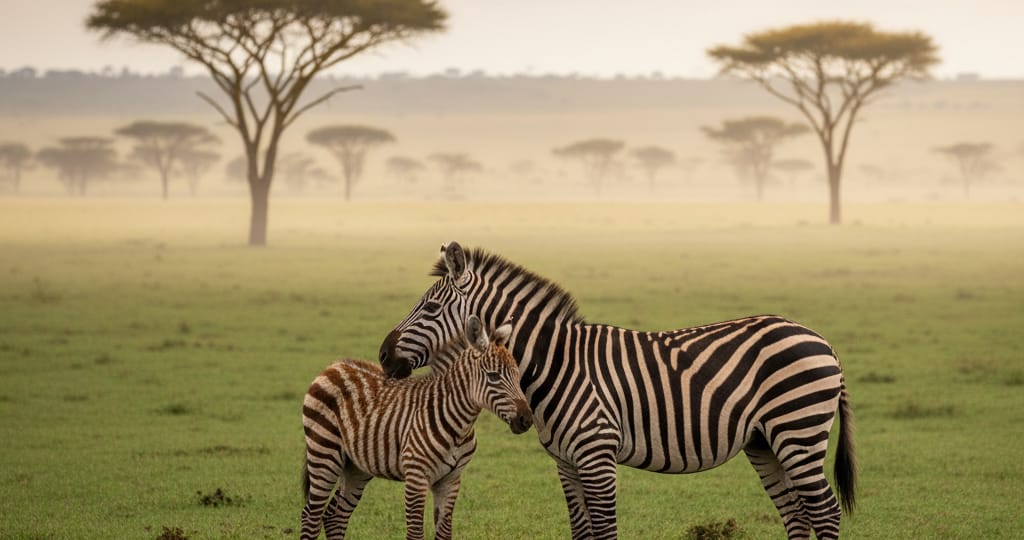
Late March brings something peak season can’t offer: newborns. Calving season kicks off. Zebra foals on wobbly legs. Warthog piglets trotting behind mum. Gazelle babies hiding in the grass.
And where there are babies, there are predators. The action shifts from massive river crossings to intimate hunting scenes.
The Visibility Factor
Early March: low grass, easy viewing. Animals still cluster around water sources.
Late March: grass grows, animals spread out. But they’re also more relaxed, more natural, less stressed by vehicle traffic.
Pro Tip: Tell your guide what you want to see.
In March, with fewer vehicles, they can work harder to find exactly what you’re after.
Leopard on your bucket list? Say so day one.
Weather: How Much Does a Little Rain Actually Matter?
Let’s address the elephant in the vehicle. Rain.
Peak Season Weather = Predictable
July through October? Blue skies. Sunshine. Dust. No rain. It’s predictable. You plan your day and it goes exactly as expected.
March Weather = Dramatic
Early March: hot and dry. Same as peak season, honestly.
Late March: afternoon storms roll in. Not all day, every day. But most afternoons, clouds build, thunder rumbles, and around 3 or 4 PM, the sky opens up for an hour.
Then it stops. The air smells incredible. The sunset is insane. The next morning is fresh and green.
Does Rain Ruin Anything?
Game drives continue. Your vehicle has a roof. Canvas sides zip up. You stay dry. Animals keep moving—they don’t have houses to hide in.
Walking safaris might shift schedules. Picnic lunches move indoors. But the core experience? Unchanged.
The Photography Bonus
Photographers actually prefer March light. Storm clouds add drama. Green grass makes colors pop. Reflections in puddles create unique shots. Peak season dust gets boring after a while.
Pro Tip: Pack a lightweight rain jacket and a dry bag for your camera.
That’s it.
You don’t need Wellies or a full rain suit.
Accommodation: Where You’ll Stay and What It Costs
| Camp Category | Examples | Peak Season Price | March Price | Key March Advantage |
|---|---|---|---|---|
| Luxury Camps | Angama Mara, Mahali Mzuri, Ol Donyo Wuas | $1,500–$2,500 | $900–$1,400 | Luxury becomes reachable. Same camp, same views, hundreds less. |
| Mid-Range Camps | Mara Leisure Camp, Jambo Mara Safari Lodge, Mara Sopa Lodge | $300–$450 | $150–$300 | Mid-range budget buys you top-tier mid comfort. Big savings. |
| Budget Camps | Mara Explorers Camp, Lenchada Tourism Camp, Rhino Tourist Camp | $100–$150 | $70–$110 | Budget gets almost silly cheap. Perfect for extending your trip. |
Let’s get specific. Where will you actually rest your head after a day of chasing leopards? The Mara and surrounding areas offer options for every budget, and March gives you flexibility you won’t have in peak season.
Luxury Camps and Lodges
If you want the full splurge, these are your spots. Think king-sized beds, private plunge pools, gourmet meals, and service that remembers your name and your favorite drink.
In the Mara, Angama Mara sits perched on the Oloololo Escarpment with views that’ll make your jaw drop. Floor-to-ceiling windows. African art everywhere. It’s $1,500–$2,500 per night in peak season. In March? Closer to $900–$1,400. Still not cheap, but suddenly within reach if you’ve been saving.
Mahali Mzuri, Richard Branson’s joint, offers twelve sleek tents with outdoor showers and a vibe that’s luxe but relaxed. Peak season runs $1,200–$1,800. March drops to $700–$1,100.
Ol Donyo Wuas in Chyulu Hills isn’t Mara, but it’s worth mentioning for the stargazing beds that roll outside. Bucket list stuff. March savings here can hit 35 percent.
Mid-Range Camps
This is the sweet spot for most travelers. Comfortable rooms, good food, solid guiding, without the eye-watering price tag.
Mara Leisure Camp sits on the Talek River with permanent tents, real beds, en suite bathrooms, and a pool. Peak season: $350–$450 per night. March: $220–$300. That’s a steal.
Jambo Mara Safari Lodge offers stone cottages with hot water, reliable power, and a friendly bar where you’ll swap stories with other travelers. March rates hover around $180–$250 versus $300–$400 in August.
Mara Sopa Lodge is a classic choice—cliff-top location, massive pool, buffet meals. It’s popular for a reason. In March, you’ll pay maybe $150–$200 versus $250–$350 peak.
Budget Camps and Tented Camps
For the “I’d rather spend my money on an extra week” crowd. Basic but clean. Comfortable beds. Shared facilities sometimes. The guiding is still excellent because you’re still in the Mara.
Mara Explorers Camp offers simple tents with beds and a shared mess tent. It’s about $100–$120 per night peak. March? $70–$90. Perfect for the budget traveler who’s here for the animals, not the pillows.
Lenchada Tourism Camp has permanent tents, decent food, and a friendly vibe. Peak season $120–$150. March $80–$110.
Rhino Tourist Camp is basic but solid. Hot showers, good location. March rates can dip below $100 per night.
The March Advantage
Here’s the thing. In peak season, the budget places fill up with budget travelers. The luxury places fill up with luxury travelers. Everyone stays in their lane.
In March, the luxury camps drop into mid-range prices. The mid-range camps drop into budget prices. The budget camps become almost silly cheap.
So if you’ve always wanted to stay at Angama but couldn’t stomach $2,000 a night? March might be your moment. Same camp. Same views. Same service. Hundreds of dollars less.
Pro Tip: Ask us about camps with “green season” specials.
Some offer free nights, complimentary upgrades, or included activities in March.
We know which ones are running deals.
Activities: What Can You Actually Do?
Both seasons offer the core safari experience. But there are differences.
Peak Season Activities
- Game drives (morning and afternoon)
- Hot air balloon rides (book way ahead)
- Bush breakfasts
- Cultural visits
March Activities
All of the above, plus:
- Walking safaris (greener landscapes, more comfortable temperatures)
- Night drives (in private conservancies)
- Photography-focused drives (better light, dramatic skies)
- Horseback safaris (if you’re keen—we offer these)
The Zanzibar Factor
Here’s where March really shines. After your safari, tack on Zanzibar.
Peak season in Zanzibar? Crowded. Expensive. Booked out.
March in Zanzibar? Warm. Sunny. Fewer tourists. Better prices. Those white sand beaches we talk about on our website? They’re even better when you’re not sharing them with hundreds of other travelers.
We do Kenya, Tanzania, and Zanzibar. So we can build you a trip that combines March safari savings with a beach holiday that doesn’t break the bank.
Pro Tip: A 10-day trip in March can easily cover 5 days safari in the Mara and 4 days beach in Zanzibar.
Same cost as 7 days safari in peak season.
More variety, more experiences, same budget.
The Migration Question: What If That’s Your Main Goal?
Let’s be honest with each other.
If You Must See River Crossings
If your bucket list has “wildebeest crossing the Mara River with crocodiles” in bold letters, you need peak season. July through September. No debate. March won’t give you that.
But Here’s the Thing
River crossings aren’t guaranteed even in peak season. Animals cross when they feel like it. You might sit for three days and see nothing. Or you might see three crossings in one afternoon. It’s nature, not a theme park.
What March Offers Instead
Calving season. New life. Predator action on a different scale. And zero crowds around the sightings.
If your goal is “incredible wildlife experience” rather than “specific migration moment,” March delivers.
Pro Tip: If migration is your dream but March is your only window, consider Tanzania.
In March, the herds are in the southern Serengeti calving. We can take you there.
We do Tanzania too.
Who Should Choose Peak Season?
Peak season is right for you if:
- You have school-age kids and limited to holiday dates
- River crossings are your number one priority
- You prefer predictable weather over dramatic landscapes
- You don’t mind crowds and booked-out camps
- Budget is less of a concern
The Peak Season Personality
You’re a planner. You like certainty. You want the classic safari postcard and you’re willing to pay for it. Nothing wrong with that. Peak season exists for a reason.
Who Should Choose March?
March is right for you if:
- You’re flexible with dates
- Budget matters (and you want more for your money)
- You hate crowds
- You love photography and dramatic light
- Newborn animals excite you more than river crossings
- You want to add Zanzibar without breaking the bank
The March Personality
You’re an experience seeker, not a checklist ticker. You want to feel Africa, not just photograph it. You’re okay with a little unpredictability because it comes with rewards. You’d rather have a leopard to yourself than share a crossing with 50 other vehicles.
The Verdict: Which Offers Better Value?
Here’s our honest take.
Let’s cut to the chase. Here’s how March and peak season stack up side by side.
| Factor | Peak Season (July-Oct, Dec-Jan) | March |
|---|---|---|
| Price | Highest rates of the year. 30-40% more than March. | Shoulder season savings. Same camps, hundreds less per night. |
| Crowds | Packed. Multiple vehicles per sighting. Book 9-12 months ahead. | Quiet. Often the only vehicle at sightings. Last-minute bookings possible. |
| Wildlife | The Great Migration. River crossings. Massive herds. | Resident wildlife. Calving season. Newborns everywhere. Predators follow the babies. |
| Weather | Predictable. Blue skies. Dry. Dusty. | Early March: same as peak. Late March: afternoon storms, green landscapes, dramatic light. |
| Photography | Classic safari shots. Golden light. Dusty plains. | Storm light. Green grass. Reflections. Unique images you won’t get in peak season. |
| Accommodation | Your choice books out fast. Settle for second best. | Pick of the best camps. Upgrade potential. Luxury at mid-range prices. |
| Zanzibar Add-On | Crowded. Expensive. Booked solid. | Warm. Sunny. Fewer tourists. Better beach deals. |
| Best For | Migration chasers. School holiday schedules. Predictability lovers. | Budget-savvy travelers. Photographers. Crowd-haters. Experience seekers. |
Our Professional Opinion
If money were no object, we’d still tell clients to consider March. Not because it’s cheaper. Because it’s different. Because the Africa we love—the one we live in—isn’t just dry plains and dust. It’s green after rain. It’s storms rolling in at sunset. It’s baby animals taking their first steps.
That’s value. That’s real.
Ready to Book Your March Safari?
Alright. You’ve read the comparison. You’ve seen the numbers. You’ve thought about what matters most to you.
Maybe March is sounding pretty good right now.
Here’s what we need from you:
Tell us what you’re dreaming of. Safari only? Safari plus beach? Kenya, Tanzania, or both? Rough dates. Rough budget. Rough wish list.
We’ll take that and build you something incredible. Something that fits your wallet and your wanderlust.
Because that’s what we do at Mara Triangle Safaris. We’re not just booking agents. We’re locals. We’re guides. We’re the people who will meet you at the airport, hand you a cold water, and say, “Welcome home. You’re going to love it here.”
Let’s Make It Happen
The easiest way to start? Head over to our contact page.
Drop us an email at info@maratrianglesafaris.co.ke with your questions. Or give the team a call:
+254 705 635 886
+254 768 212 702
We’re here Monday through Saturday, 8:30 am to 5:00 pm East Africa time.
But email works anytime—we’ll get back to you within 24 hours.
Tell us what you’re thinking. March?
Peak season?
A bit of both?
We’ll give you straight answers, honest advice, and a safari that’s worth every penny.
No dramas. Just Africa.
FAQ: Your March vs. Peak Season Questions Answered
Is March too rainy for a safari?
Not at all. Early March is dry. Late March brings afternoon showers that pass quickly. Game drives continue. You might get damp for 20 minutes. The rest of the day is beautiful.
Will I see the Big Five in March?
Yes. Lions, leopards, elephants, buffalo, and rhinos are all present year-round. Leopards are always tricky, but your guide knows where to look.
When is the best time to see the wildebeest migration?
In Kenya’s Maasai Mara, July through October for river crossings. In Tanzania’s Serengeti, March is calving season in the south. We offer both.
How much can I save by going in March vs. peak season?
Expect to save 30–40 percent on accommodation. Flights are often cheaper too. A 7-day safari for two could save $2,000–$4,000 USD.
Are camps and lodges open in March?
Yes. Nearly all camps operate year-round. Some close for a few weeks in April–May for maintenance, but March is fully operational.
Is Zanzibar good in March?
Absolutely. Warm weather, sunshine, and fewer crowds than peak season. It’s the perfect add-on to a March safari.
What should I pack for a March safari?
Light layers, neutral colors, a lightweight rain jacket, good walking shoes, binoculars, camera with zoom. We’ll send you a full packing list when you book.
Can I combine Kenya and Tanzania in one March trip?
Yes. We specialize in multi-country itineraries. Fly from the Maasai Mara to the Serengeti. Add Zanzibar at the end. We handle all the logistics.
1 Comment
Please Contact our office
Email: info@mara-triangle-safaris
deals@maratrianglesafaris.co.ke
Phone: (+254) 705 635 886
(+254) 768 212 702
Venus complex, Northern bypass, 1st floor room 4107
Website: https://maratrianglesafaris.co.ke/contact/
Visit our contact page at https://maratrianglesafaris.co.ke/contact/ to get in touch.
We can’t wait to welcome you to Kenya!