
What Animals Live in Serengeti: Mara Triangle Safaris Guide
Wondering what animals live in the Serengeti? Discover the Big 5, rare wildlife, and the calving season in our ultimate Mara Triangle safaris guide.
Serengeti Animals: Mara Triangle Safaris Guide
Dust coats your boots while a distant roar vibrates right through the floorboards of your 4×4 cruiser. You are not watching a nature documentary from the comfort of your living room couch anymore. You are right here in the thick of the action, breathing in the crisp morning air of the African savanna. People travel thousands of miles just to catch a fleeting glimpse of a spotted coat in the tall grass or hear the thundering hooves of a massive herd. But pinning down exactly who calls this vast ecosystem home takes a bit of insider knowledge. You want to know what to look for, where to point your binoculars, and how to spot the elusive creatures that most folks completely miss. We are breaking down the ultimate Serengeti animals list with pictures of moments you will capture yourself, giving you the absolute best chance to see the wild in its purest form.
1. The Ultimate Roster: What Animals Live in the Serengeti?
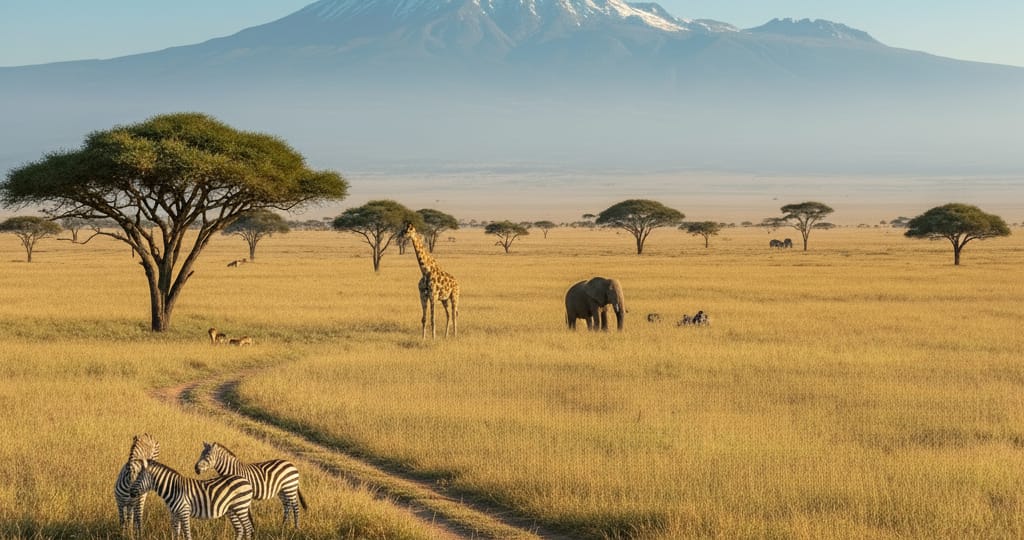
When you ask what is the most common animal in the Serengeti, you might expect a simple answer, but this ecosystem is absolutely teeming with life at every level. The wildebeest takes the top spot for sheer numbers, with over a million and a half of these quirky-looking ungulates marching across the plains at any given time. But they do not travel alone, mate. You will find massive herds of zebra joining the trek, using their dazzling stripes to confuse predators and look out for danger. Thomson’s gazelles dart through the grass like absolute rockets, while massive elephants bulldoze through acacia thickets without a care in the world. You are looking at a living, breathing theater where every species plays a crucial role. If you want a comprehensive list of animals in Serengeti, you have to look beyond the massive herds. You will spot giraffes browsing the treetops, hippos wallowing in the muddy riverbanks, and crocodiles waiting patiently for a careless drinker. It is a massive, interconnected web of life that makes every single game drive completely unpredictable and totally brilliant.
Why the Ecosystem Thrives
The sheer diversity of animals name entries you could write in a journal here is mind-boggling. The rich volcanic soil feeds the nutrient-dense grasses, which in turn feed the massive herds. This creates an all-you-can-eat buffet for the predators, keeping the whole cycle spinning perfectly.
The Seasonality Factor
Depending on when you rock up, the landscape shifts dramatically. A lush green paradise turns into a golden, dusty arena over a few months. That changes exactly which animals live in a forest patch versus out on the open plains.
Always keep a dedicated notebook or a digital checklist handy in your daypack. Ticking off your personal Tanzania animals list as you spot them keeps you engaged and helps you remember exactly what you saw when you are telling yarns back home.
2. Chasing the Legends: The Big 5 Africa Experience
You have definitely heard the term thrown around, but seeing the Big 5 Africa style in person hits entirely differently. Originally coined by old-school game hunters to describe the most dangerous animals to track on foot, the phrase now represents the holy grail of wildlife photography. We are talking about the lion, leopard, rhinoceros, elephant, and Cape buffalo. Spotting the Big 5 animals Kenya and Tanzania share across this borderless ecosystem requires patience, sharp eyes, and a brilliant guide. The lions are usually the easiest to find, often lounging lazily on large granite boulders called kopjes like they own the place. Elephants are hard to miss, tearing down branches with brute force, while the Cape buffalo glare at you from the mud with an incredibly grumpy expression. The rhino and leopard, however, will make you work for it. They are secretive, solitary, and masters of disguise.
Spotting the Elusive Leopard
If you are wondering how many leopards in Serengeti actually exist, researchers estimate around a thousand, but they are incredibly sneaky. You have to scan the thick branches of sausage trees where they drag their meals to keep them away from scavenging hyenas.
Tracking the Rhinoceros
Black rhinos are critically endangered and highly protected, meaning seeing one is a massive stroke of luck. They tend to stick to the dense thickets rather than the open plains, so keep your eyes peeled when you are moving through scrubby areas.
Do not get completely obsessed with ticking off the Big 5 game list at the expense of everything else. Sometimes the best animals in Serengeti are the ones you never expected to see, like a serval cat hunting in the tall grass.
3. The Great Migration and the Serengeti Calving Season
Look at it this way. Millions of hooves pounding the dirt, creating massive dust clouds that block out the sun. The Great Migration is the greatest wildlife show on earth, and you get front-row seats when you book Mara Triangle safaris at the right time. But the real magic happens during the Serengeti Calving Season. Around late January to March, the massive herds gather in the southern short-grass plains to give birth. We are talking about half a million wildebeest calves dropping onto the grass within a few short weeks. It is a time of absolute abundance, joy, and utter chaos. The calves can stand and run within minutes of being born, which is bloody brilliant because they absolutely have to. Predators know exactly when and where this baby boom happens, and they gather in massive numbers to take advantage of the easy prey.
The Predator-Prey Dynamic
During the calving season, the plains turn into a high-stakes battleground. Cheetahs use their explosive speed to snatch wandering calves, while hyena clans coordinate massive hunting parties to separate mothers from their young.
Timing Your Visit Perfectly
If you want to catch this specific event, you need to time your trip perfectly. Masai Mara in March usually sees the herds far south in Tanzania, so planning your route with local experts ensures you do not miss the main event.
Pack extra memory cards and spare batteries for your camera gear. The action during the calving season is relentless, and you will end up shooting hundreds of animal pictures before breakfast.
4. Predators of the Plains: Big Cats and Swift Hunters
The adrenaline rush of watching a predator lock onto its target is absolutely unmatched. The savanna is an unforgiving place, and the carnivores that rule it are built for pure efficiency. Lions are the undisputed kings, living in large prides that work together to take down massive prey like buffalo and zebra. They sleep up to twenty hours a day, but when they wake up hungry, the whole plains go on high alert. Cheetahs take a completely different approach. They rely on blistering speed, accelerating faster than a sports car to trip up darting gazelles. But they have to eat quickly before larger predators bully them off their hard-earned catch. Then you have the wild dogs, also known as painted wolves. They are highly social, relentlessly energetic, and boast one of the highest hunting success rates in the entire animal kingdom.
The Role of Scavengers
Do not overlook the cleanup crew. Hyenas often get a bad reputation as sneaky scavengers, but they are actually brilliant, highly successful hunters in their own right. Vultures circle high above, acting as an aerial signpost that a fresh kill is somewhere nearby.
The Night Shift
When the sun drops, a whole new crew of predators takes over. If you want to know what animals live in the savanna at night, look for leopards dropping from the trees or small, fierce predators like the honey badger going on the prowl.
When you spot lions resting in the shade, do not just drive off immediately. Sit quietly and wait, because their behavior can change in an instant if a herd of prey animals wanders too close to their position.
5. Gentle Giants and Towering Herbivores: Animals in the Savanna
You cannot talk about the savanna without tipping your hat to the massive plant-eaters that shape the landscape. Elephants are the true landscape architects here. They push over dead trees, dig for underground water during dry spells, and spread seeds through their dung, directly impacting which plants grow where. Watching a family herd interact, with tiny calves stumbling over their own trunks, is an absolute privilege. Giraffes are another iconic staple, towering above the acacia trees to strip away the freshest leaves with their tough, prehensile tongues. They look awkward when they have to bend down to drink, splaying their long legs out in a vulnerable stance that makes them incredibly nervous. Then you have the hippos, spending all day submerged in the muddy rivers to protect their sensitive skin from the blistering African sun.
The Hippo Pools
Visiting a hippo pool is a full sensory experience. You will hear their deep, booming grunts echoing across the water, and let us be honest, the smell is something you will definitely never forget.
The Zebra Herds
Zebras are fascinating creatures that travel in massive family groups. No two zebras have the exact same stripe pattern, making them entirely unique, and they often mix with wildebeest because their different eating habits prevent them from competing for the exact same grass.
Keep quiet when observing elephant herds, especially if there are very young calves around. The matriarchs are fiercely protective, and respecting their space ensures a peaceful, incredible viewing experience.
6. Rare Animals in Serengeti You Might Just Miss
Everyone comes looking for the famous faces, but the seasoned safari-goers know the real thrill is spotting the underdogs. There are some incredibly rare animals in Serengeti that require a mix of dumb luck and an eagle-eyed guide to find. Take the pangolin, for example. This strange, scaly creature looks like a walking pinecone and is notoriously difficult to spot because it is nocturnal and incredibly shy. Aardvarks are another massive prize for wildlife enthusiasts. They look like a bizarre mix of a pig, a rabbit, and a kangaroo, spending their nights digging up termite mounds with massive claws. Then you have the caracal, a stunningly beautiful wild cat with prominent ear tufts that can leap straight into the air to snatch birds right out of the sky.
The Elusive Serval Cat
With its incredibly long legs and massive ears, the serval cat is perfectly adapted for hunting rodents in tall grass. They are solitary and secretive, making them a rare and highly prized sighting for photographers.
The Bat-Eared Fox
These adorable little guys use their massive ears not just to hear predators, but to listen for the tiny scratching sounds of beetles and insects moving entirely underground. Finding a den of bat-eared foxes playing in the morning sun is bloody brilliant.
If you want to spot these rare creatures, ask your guide to focus on smaller details rather than just scanning the horizon. Sometimes looking at the ground or low bushes reveals the most incredible hidden treasures.
7. The Weirdest Animals on Earth Hiding in Plain Sight
Nature definitely has a sense of humor, and this ecosystem is home to some of the weirdest animals on earth if you actually know where to look. Have you ever seen an animal in animal camouflage so perfect you stare right at it without realizing? The chameleon is a master of this, shifting its colors to blend perfectly with the branches while its eyes swivel independently in completely different directions. Then you have the dung beetle, a tiny powerhouse that spends its entire life rolling perfectly spherical balls of elephant poop across the dusty plains to use as a nursery for its babies. It might sound gross, but they navigate using the Milky Way, which is absolutely mind-blowing. Let us not forget the warthog, a tough, scrappy pig with massive facial warts that runs away with its tail sticking straight up in the air like a little radio antenna.
The Secretary Bird
This bird looks like an eagle walking on supermodel crane legs. It stomps through the grass looking for snakes and absolutely kicks them to death with incredibly fast, powerful strikes from its scaly feet.
The Ostrich Flocks
The ostrich is the largest bird on the planet, and watching them run at massive speeds is hilarious and impressive all at once. The males have bright pink legs during mating season and perform a wildly bizarre dance to attract the ladies.
Bring a good pair of binoculars, ideally 8×42 or 10×42 magnification. A lot of these weird and wonderful creatures are quite small, and you need good glass to truly appreciate their bizarre features.
8. Feathered Friends: Birdlife Across the Mara Triangle
If you think safaris are only about four-legged mammals, you are missing out on half the show. The birdlife here is absolutely staggering, with hundreds of different species adding bright splashes of color and bizarre calls to the landscape. The lilac-breasted roller is a firm favorite, flashing incredibly vibrant blues, purples, and greens every time it takes flight. Massive martial eagles soar high on the thermal currents, boasting eyesight sharp enough to spot a small dik-dik from miles away. Down by the rivers, you will find giant kingfishers diving like missiles into the water, while nervous flocks of guinea fowl scurry through the grass muttering to each other like disgruntled commuters. The birdlife changes depending on the season, with massive flocks of migratory birds arriving when the rains turn the dry plains into a lush green paradise.
The Weavers and Their Nests
You will often see trees completely decorated with intricate, round nests woven from grass. The male weaver birds build these from scratch, hanging upside down while the females inspect their handiwork to decide if they are worthy mates.
The Hornbills
Often called the flying banana due to their massive, brightly colored bills, hornbills are loud, charismatic, and incredibly smart. They follow troops of monkeys around to catch the insects that the monkeys stir up while walking.
Even if you do not consider yourself a birdwatcher, grab a local bird guide book. Identifying the different species during the quiet midday hours when the big cats are sleeping keeps the excitement flowing all day long.
9. Night Crawlers: What Happens When the Sun Goes Down?
When the fiery orange sun finally dips below the horizon, the savanna completely changes its vibe. A whole new cast of characters wakes up, ready to cause some chaos in the dark. Night drives offer a totally different perspective, revealing Tanzania safari animals that strictly avoid the sweltering daytime heat. The bushbaby is a classic night spot, leaping effortlessly between thorny acacia branches with massive, saucer-like eyes reflecting brilliantly in your guide’s spotlight. Genets, which look like a cross between a cat and a ferret, slink through the branches looking for sleeping birds. You might even hear the terrifying, whooping call of hyenas coordinating their nightly hunts, sending a massive shiver straight down your spine. This is when the real drama happens, away from the safety of the daylight.
The African Wildcat
It looks almost exactly like a standard house cat, but do not be fooled. The African wildcat is a fierce, highly capable predator that thrives in the darkness, hunting mice and small birds with deadly precision.
The Porcupine
Seeing a massive crested porcupine trundling down a dirt track is brilliant. If they feel threatened, they flare their huge black and white quills, creating a spectacular defense mechanism that even hungry lions try to avoid.
Dress warmly if you are heading out after dark. The African plains can get incredibly chilly once the sun disappears, and the wind whipping through an open game drive vehicle will freeze you right to the bone.
10. How to Prep for Your Mara Triangle Camping Adventure
Now that you know exactly what is out there, you need to know how to handle yourself when you stay overnight in the thick of it. Mara triangle camping is not your average weekend trip to a local national park back home. You are pitching a tent or staying in a canvas lodge right in the middle of an unfenced wilderness. It is an incredibly immersive experience, but it requires serious respect for the rules. You never walk around the camp alone at night, because dangerous animals in Tanzania frequently wander through the grounds while you are sleeping. You listen to your guides, keep your food properly secured, and absolutely never unzip your tent if you hear heavy breathing right outside the canvas. It sounds intimidating, but falling asleep to the distant roar of a lion is an experience that changes you forever.
Packing the Right Gear
Leave the bright, flashy clothes at home. You want neutral colors like khaki, green, and brown so you do not stand out like a sore thumb and scare off the wildlife before you even get your camera ready.
Mental Preparation
Understand that nature does not operate on a strict schedule. You might go hours without seeing a major predator, and then suddenly find yourself surrounded by the big 5 companies of wild animals. Patience is your absolute best tool.
Pack a heavy-duty power bank and a headlamp with a red-light setting. The red light lets you read or navigate your tent at night without completely ruining your night vision or attracting swarms of massive bugs.
Ready to combine the thrill of a safari with the bliss of the beach?
Contact us today to start planning your unforgettable Kenyan journey!
Email: info@mara-triangle-safaris
deals@maratrianglesafaris.co.ke
Phone: (+254) 705 635 886
(+254) 768 212 702
Venus complex, Northern bypass, 1st floor room 4107
Website: https://maratrianglesafaris.co.ke/contact/
Visit our contact page at https://maratrianglesafaris.co.ke/contact/ to get in touch.
We can’t wait to welcome you to Kenya!