
Where to Go for the Best Birdwatching Safari in March
Ready for the best birdwatching safari? Discover why Kenya’s Mara Triangle is a world-class destination in March, with fewer crowds and incredible bird activity.
March Birdwatching Safari: Top Mara Triangle Safaris Spots & Tips for Kenya’s Green Season
Ever get that feeling that you just need to get away from it all? Not just a change of scenery, but a full-blown adventure that gets you back in touch with nature. March can be a funny old month in many parts of the world cold, wet, and a bit gloomy. But in Kenya, it’s a whole different story. The month signals the start of the ‘long rains’, a time of transformation and incredible life. For anyone with a pair of binoculars and a love for our feathered friends, this is prime time. The landscape explodes in green, and the birdlife goes absolutely bonkers. You’re not just looking at birds; you’re stepping into their world at its most vibrant. So, if you’re keen to swap dreary skies for the drama of the African bush, you’re in the right place.
Let’s get straight to it. You want to know where the best spots are for a birdwatching safari this March. It’s not just about ticking species off a list; it’s about the experience. It’s about that moment a Lilac-breasted Roller flashes its impossible colours in the golden morning light, or hearing the haunting call of a Fish Eagle echoing across a river. This guide is your ticket to planning an unforgettable trip. We’re going to dive deep into why Kenya, and specifically the Mara Triangle, is a top-tier destination for birding during this magical time of year. We’ll cover everything from the must-see species to what you need to pack. Ready to start planning an absolute blinder of a trip?
March Birdwatching Safari Summary: Mara Triangle Green Season
.
| Spot | Birds You’ll Find | Top Tip |
|---|---|---|
| Mara River | African Fish Eagle, Saddle-billed Stork, Malachite Kingfisher | Start game drives early in the morning for the best bird activity. |
| Oloololo Escarpment | Lilac-breasted Roller, Raptors, Sunbirds | Pack high-quality binoculars to spot distant species. |
| Musiara Swamp | Eurasian Bee-eater, Waterbirds, Herons | Use a waterproof daypack to protect your gear from afternoon showers. |
Why March is a Cracking Month for Birdwatching in Kenya
So, why should you book your flights for March? It’s a brilliant question. Many people aim for the dry season, famous for the Great Wildebeest Migration. But for birdwatchers, the so-called ‘green season’ is the real gem. March marks the beginning of this period, bringing with it a complete rejuvenation of the ecosystem. The first rains trigger an explosion of life, from insects to flowers, creating a massive, all-you-can-eat buffet for birds. This abundance of food means breeding season is in full swing. You’ll see birds in their most stunning breeding plumage, performing elaborate courtship dances and busily building nests. It’s nature’s theater at its most spectacular.
You also get a fascinating mix of bird populations. You have the resident birds, who live here year-round, all dressed up and looking their best. On top of that, you have the lingering Palearctic migrants. These are the globetrotters from Europe and Asia who have spent the winter in Africa’s warmth. By March, they are feeding up, getting ready for their long journey north. This overlap creates a sheer density and diversity of birdlife that is hard to match at any other time of year. Think of it as a massive international bird party, and you’ve got a front-row seat. The landscapes are also lush and green, making for some truly gob-smacking photo opportunities.
The Magic of the Green Season
The term ‘green season’ really doesn’t do it justice. It’s a full-sensory experience. The air is fresh and clear after the rain, the dust has settled, and the colours are incredibly saturated. The scent of damp earth and blooming flowers fills the air. For photographers, this is a dream. The soft, beautiful light, especially in the mornings and late afternoons, combined with the vibrant green backdrops, makes every photo pop. You’re not just taking pictures of birds; you’re capturing a moment of pure, unadulterated natural beauty. It’s a far cry from the dusty, hazy conditions of the dry season.
Fewer Crowds, More Intimate Experiences
Another massive plus for a March safari is the lack of crowds. The peak tourist season has passed, which means you often feel like you have the whole place to yourself. Imagine sitting by the Mara River, just you, your guide, and the symphony of birdsong, with no other vehicles in sight. It’s a much more personal and immersive experience. This solitude allows you to connect more deeply with your surroundings and get those uninterrupted views of wildlife. It feels less like a tour and more like a genuine expedition into the wild. This exclusivity is something you just can’t put a price on.
Don’t be put off by the term ‘rainy season’. The rains in March are often short, powerful afternoon showers, not all-day downpours. Plan your game drives for the early morning and late afternoon to enjoy beautiful clear skies and a refreshed landscape.
The Mara Triangle: A Birdwatcher’s Paradise
When you think of the Maasai Mara, you probably think of lions, elephants, and wildebeest. And you’re not wrong! But for those in the know, the Mara is an absolute haven for birds, and the Mara Triangle is the jewel in its crown. This section of the greater Maasai Mara National Reserve is managed by a non-profit conservancy, and their work in conservation and anti-poaching is truly top-notch. The result is a pristine ecosystem where wildlife, including over 500 species of birds, thrives. The variety of habitats within the Triangle is staggering, which is why the bird diversity is off the charts.
You have the rolling grasslands, the dense riverine forests along the Mara River, rocky escarpments, and acacia woodlands. Each of these zones supports a different cast of feathered characters. In a single game drive, you can go from spotting a Secretarybird striding through the plains to finding a shy Schalow’s Turaco in the forest canopy. The Mara River itself is a major draw, attracting a huge concentration of water-associated birds. It’s this mosaic of environments that makes the Mara Triangle a one-stop-shop for any serious or casual birdwatcher. You get a real bang for your buck here in terms of species count and quality sightings.
Life Along the Mara River
The Mara River is the lifeblood of the ecosystem. Its banks are lined with thick forests of towering trees, creating a unique micro-habitat. This is where you’ll want to spend time searching for some of the more elusive species. Look for the flash of a Malachite Kingfisher as it dives for a fish, or listen for the distinct call of the African Finfoot. Giant Kingfishers, African Fish Eagles, and a variety of herons and egrets are also common sights. This area provides a cool, shady contrast to the open plains and is a fantastic place to spend the midday hours.
The Famous Grasslands and Vultures
The open plains are what the Mara is famous for, and they are teeming with life. This is the territory of grassland specialists. Keep your eyes peeled for Kori Bustards, the world’s heaviest flying bird, and elegant Grey Crowned Cranes, the national bird of Uganda. You’ll also find numerous species of larks, pipits, and weavers. And where there are big cats and their leftovers, there are vultures. The Mara is one of the best places in Africa to see these often-misunderstood but critically important birds. You can spot up to six species, including the massive Lappet-faced Vulture and the striking White-headed Vulture.
Ask your guide to take you to the Oloololo Escarpment.
It offers breathtaking panoramic views of the entire Mara Triangle and is a great spot to look for raptors soaring on the updrafts.
Key Bird Species to Spot in March
Alright, let’s talk targets. While part of the fun is the surprise, it’s always good to have a ‘wish list’. In March, the Mara is buzzing with activity, making it possible to see a huge number of species in a short time. Your daily tally could easily top 100 species if you’re keen. We’re talking about a mix of residents showing off their breeding colours and migrants fuelling up for their trip home. It’s a proper spectacle.
Let’s break it down into a few categories. You’ve got the big, impressive birds that are impossible to miss, the small, colourful ones that are a delight to find, and the mighty raptors that command the skies. No matter your level of birding expertise, from novice to seasoned twitcher, there’s something to get you excited. The key is to keep your eyes and ears open at all times. Often, the most rewarding sightings come when you least expect them, like a Pearl-spotted Owlet peeking out from a tree hole right next to your lunch spot.
The “Big and Bold” Showstoppers
These are the birds that make an impression, the ones you’ll be telling your mates back home about.
- Common Ostrich: You can’t miss them. Seeing the world’s largest bird striding across the plains is a quintessential safari experience. In March, you might even see their fascinating mating dance.
- Kori Bustard: Another giant of the grasslands. These chaps are the heaviest birds capable of flight and have a slow, stately walk that oozes confidence.
- Secretarybird: Famous for its long legs and incredible eyelashes, this bird is a snake-hunting specialist. Watching one stomp on a snake is a moment you won’t forget.
- Grey Crowned Crane: Impossibly elegant with its golden crest, these birds are often found in pairs, performing a beautiful, ballet-like courtship dance.
The Colourful Jewels of the Bush
These smaller birds might take a bit more searching, but they are well worth the effort. They add a splash of vibrant colour to the landscape.
- Lilac-breasted Roller: Often called the “national bird of Instagram,” this bird is a flying rainbow. Its mix of lilac, turquoise, blue, and green is simply breathtaking, especially when it performs its rolling flight display.
- Superb Starling: The name says it all. With its iridescent blue, green, and orange plumage, this bird is a common but always dazzling sight.
- Malachite Kingfisher: A tiny, electric-blue jewel usually found perched on a reed by the water’s edge. Spotting one is a real treat.
- Schalow’s Turaco: A stunning, mostly green bird with a dramatic crest and crimson wings that flash when it flies. They are often found in the riverine forests.
Invest in a good pair of binoculars (8×42 or 10×42 are ideal).
While your guide will have a pair, having your own means you won’t miss a thing while they are pointing something out to someone else.
The Mighty Raptors of the Mara
The skies above the Mara are a theatre of aerial prowess. Raptors, or birds of prey, are abundant here, thanks to the wide-open spaces and plentiful food. From huge eagles to powerful vultures, watching these masters of the sky is a thrilling part of any safari. March is a great time to see them as the clear air and thermal updrafts make for perfect soaring conditions. You’ll see them circling high above, scanning the plains for their next meal, or perched regally on a dead tree, surveying their kingdom.
Learning to identify them can be a fun challenge. Pay attention to their size, shape, and flight patterns. Is it a bulky eagle or a slender falcon? Does it soar with flat wings or in a V-shape? Your guide will be an expert at spotting and identifying them, even from a massive distance. Seeing a majestic Bateleur eagle with its unique rocking flight or witnessing a Tawny Eagle dive towards its prey are moments that truly define the wildness of the African bush. These sightings add a layer of drama and excitement to your birdwatching adventure.
Eagles, Hawks, and Falcons
The Mara is home to an impressive variety of these classic birds of prey.
- African Fish Eagle: Its haunting, iconic call is the sound of the African waterways. You’ll find them perched near the Mara River, watching for fish.
- Bateleur: A stunning and unmistakable eagle with a black, white, and chestnut body and a bright red face. Their name means “acrobat” in French, a nod to their incredible aerial agility.
- Tawny Eagle: A large, powerful eagle often seen scavenging from lion kills or hunting game birds and small mammals on the plains.
- Pygmy Falcon: Africa’s smallest raptor, this tiny but fierce falcon is often found in drier areas, preying on lizards and insects. It’s a bit of a pocket rocket!
The Essential Role of Vultures
Vultures get a bad rap, but they are the unsung heroes of the savanna. They are nature’s clean-up crew, and their role in preventing the spread of disease is absolutely critical. The Mara is one of the last strongholds for several vulture species that are critically endangered elsewhere. Taking the time to appreciate them is incredibly rewarding. Find a recent kill, and you might see a “vulture squabble,” a fascinating display of social hierarchy as different species compete for their share. It’s raw, a bit gruesome, but a vital part of the ecosystem.
When you spot a raptor, don’t just look at the bird.
Look at what it’s doing. Is it hunting, soaring, or feeding? Observing their behaviour gives you a much richer understanding and appreciation of these magnificent predators.
Beyond the Mara: Other Kenyan Hotspots in March
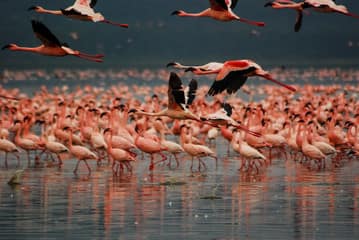
While the Mara Triangle is undoubtedly a world-class destination, Kenya is a country blessed with an incredible diversity of birding locations. If you have a bit more time, tacking on a visit to one or two other spots can massively increase your species list and show you a different side of Kenya’s natural beauty. From the flamingo-filled Rift Valley lakes to the unique, dry-country specials of the north, there’s always more to explore. Each location offers a completely different set of birds and habitats.
Combining different parks is the best way to get a comprehensive birdwatching experience. You could start in the lush highlands near Nairobi, head down into the Great Rift Valley, explore the iconic Maasai Mara, and then maybe even finish on the coast. This kind of itinerary allows you to see a huge cross-section of the 1,100+ bird species recorded in Kenya. Let’s look at a couple of absolute crackers that are particularly good to visit in March. These places complement a Mara safari perfectly, adding new species and landscapes to your adventure.
Lake Naivasha and Hell’s Gate National Park
Just a couple of hours’ drive from Nairobi, Lake Naivasha is a large freshwater lake that is an absolute must-visit for birders. It’s an ornithological paradise. You can take a boat trip on the lake to get incredibly close to a staggering number of water birds. We’re talking huge flocks of cormorants and pelicans, African Fish Eagles perched in the lakeside acacias, and numerous herons, jacanas, and kingfishers. The floating papyrus swamps are also home to some special birds. It’s a completely different experience from the savanna of the Mara.
Right next door is Hell’s Gate National Park. What’s unique about this park is that you can explore it on foot or by bicycle since there are no large predators. The park is characterized by dramatic cliffs, gorges, and geothermal steam vents. It’s one of the best places in Kenya to see cliff-nesting raptors like the Ruppell’s Vulture and the Verreaux’s Eagle. You can also spot unique species like the Schalow’s Wheatear. The combination of a boat trip on Naivasha and a walk through Hell’s Gate makes for a brilliant and action-packed day.
Amboseli National Park
If you want those iconic photos of elephants with the snow-capped peak of Mount Kilimanjaro in the background, Amboseli is the place to go. While famous for its large elephant herds, it’s also a superb birding destination. The park has a variety of habitats, including dusty plains, acacia woodland, and life-giving swamps fed by underground springs from Kilimanjaro. These wetlands are magnets for wildlife, especially birds. In March, the post-rain clarity can give you the best views of the mountain.
The swamps are fantastic for water birds, and you can expect to see species like the Grey Crowned Crane, Egyptian Goose, and Black-winged Stilt. The drier parts of the park are home to birds adapted to arid environments, such as the Taveta Golden Weaver and the Pangani Longclaw. Amboseli offers a great contrast to the Mara, with different landscapes and a new suite of species to add to your list. The sheer spectacle of it all, with the elephants and the mountain, is just the cherry on top.
If you visit Lake Naivasha, make sure your boat trip includes a visit to Crescent Island, a private game sanctuary on the lake.
You can walk among giraffes, zebras, and wildebeest, all while enjoying fantastic birdwatching.
Essential Gear for Your Birdwatching Safari
Packing for a safari is all about being prepared without overdoing it. You want to be comfortable, protected from the elements, and have the right kit to make the most of your wildlife viewing. When it comes to birdwatching, a few specific items can make a world of difference. It’s not about having all the fanciest gear; it’s about having the right tools for the job. Getting this right means you can focus on enjoying the experience instead of wishing you’d packed that one thing you left at home.
The key is to think in layers. Mornings and evenings can be quite cool, especially on an open-sided safari vehicle, while the middle of the day can get hot. Neutral-coloured clothing (khaki, green, brown) is always best as it helps you blend in with the environment and is less likely to disturb the wildlife. Bright colours are a no-go. Let the birds be the colourful ones! Let’s get down to the nitty-gritty of what should be in your duffel bag.
The Birdwatching Trinity: Binos, Camera, Field Guide
These three things are non-negotiable for a birding trip.
- Binoculars: As mentioned before, a good pair of binoculars is your most important tool. Don’t skimp here. Something in the 8×42 or 10×42 range is perfect. They offer a great balance of magnification and field of view, and they perform well in the low light of early mornings and late evenings.
- Camera and Lenses: You’ll want to capture the memories. A camera with a decent zoom lens (at least 300mm, but 400mm or more is better) is ideal for bird photography. Bring extra batteries and memory cards—you’ll take more photos than you think!
- Field Guide: A good field guide is essential for identifying all the new species you’ll be seeing. There are excellent apps available for your phone now, like the “Birds of East Africa” guide, which includes calls. Alternatively, a physical book is great to have. It’s a fun way to recap the day’s sightings back at the lodge.
Clothing and Other Necessities
Comfort is king on safari. You’ll be spending a lot of time in the vehicle, so you want to be comfortable.
- Layered Clothing: Pack lightweight long-sleeved shirts, T-shirts, a warm fleece or jacket for the chilly mornings, and comfortable trousers or shorts.
- Sun Protection: The African sun is strong. A wide-brimmed hat, sunglasses, and high-SPF sunscreen are absolutely essential.
- Footwear: Comfortable, closed-toe shoes like trainers or walking shoes are perfect. You don’t need heavy-duty hiking boots unless you plan on doing a lot of walking.
- Small Daypack: A small backpack is handy for carrying your camera, binos, water bottle, sunscreen, and other personal items in the safari vehicle.
Pack your binoculars, camera, and any essential medication in your carry-on luggage.
You wouldn’t want your most important gear to go missing if your checked bag gets delayed.
Your Typical Day on a Birding Safari
So, what does a day on a birdwatching safari actually look like? It’s an early start, but it’s so worth it. The day is structured around the birds’ activity, which is highest in the early morning and late afternoon. The general rhythm is to get out there before the sun comes up, take a break during the heat of the day, and then head out again as things cool down. This maximises your chances of seeing the most activity and enjoying the best light for photography.
The day starts with a wake-up call while it’s still dark. A quick cup of coffee and a biscuit, and you’re in the safari vehicle as the first light begins to paint the sky. The air is cool and crisp, and the bush is waking up. This is a magical time, filled with birdsong and the promise of new discoveries. Your guide, with their encyclopedic knowledge and eagle eyes, will navigate the tracks, pointing out species you would never have spotted on your own. It’s a constant treasure hunt, full of excitement and anticipation.
Morning Game Drive
The morning drive typically lasts from around 6:30 AM to late morning. This is prime time. The birds are actively feeding and calling, and the predators are often still on the move. You might spend time scanning the grasslands for larks and bustards, then move into the riverine forest to search for turacos and kingfishers. Your guide will often stop the vehicle, turn off the engine, and just let you listen to the sounds of the bush. It’s incredibly peaceful. You might stop for a bush breakfast at a scenic spot, enjoying your meal surrounded by nature before heading back to the lodge as the day heats up.
Midday and Afternoon Activities
The middle of the day is your downtime. The heat makes both birds and mammals inactive, so it’s the perfect time to relax. You can have a leisurely lunch, take a dip in the pool, or maybe do some “armchair birding” from the comfort of the lodge. Many lodges have beautiful grounds that attract a variety of birds. After your siesta, it’s time for the afternoon game drive, which usually starts around 4:00 PM. The light becomes golden, and the animals start to stir again. This drive often extends into the early evening, turning into a “sundowner” where you stop for a drink and snacks while watching a spectacular African sunset.
Keep a notebook and pen handy.
Jotting down the species you see, along with notes on their behaviour or location, is a great way to remember your sightings and learn more about the birds.
The Importance of a Good Guide
You can have the best location and the best gear in the world, but the single most important factor in a successful birdwatching safari is your guide. A great guide can transform a good trip into an absolutely unforgettable one. They are so much more than just a driver. They are your naturalist, your spotter, your teacher, and your host. Their passion for the bush is infectious, and their ability to spot a tiny, camouflaged bird from a moving vehicle is nothing short of a superpower.
Our guides are local to the Maasai community, meaning they grew up in and around this ecosystem. This isn’t just a job for them; it’s their backyard. They know the territory like the back of their hand. They know which trees are fruiting and attracting certain birds, they can identify species by their calls alone, and they understand the complex relationships between the different animals and plants. This deep, instinctual knowledge is something you can’t learn from a book. It’s what allows them to get you in the right place at the right time for those truly special sightings.
What Makes Our Guides Stand Out?
Our guides are all certified by the Kenya Professional Safari Guides Association (KPSGA), with many holding the prestigious Silver or Gold level certification. This means they have undergone rigorous training and testing in all aspects of safari guiding, including ornithology. They are experts at not just finding birds but also interpreting their behaviour. They can explain why a certain weaverbird is building its nest in a particular way, or what a specific alarm call means. This adds a whole new layer of depth to your experience.
Building a Connection
More than just their technical skills, our guides are fantastic company. They have a brilliant sense of humour and a genuine warmth that makes you feel welcome from the moment you meet them. They are passionate storytellers, sharing insights into their Maasai culture as well as the natural world. By the end of your trip, your guide will feel like an old friend. This personal connection is what our guests rave about time and time again. They are the heart and soul of the safari experience.
Don’t be shy! Ask your guide lots of questions.
Their knowledge is vast, and they are always eager to share it. The more curious you are, the more you will learn and the richer your safari will be.
Photography Tips for Birding in the Mara
For many, capturing beautiful photos is a huge part of the safari experience. And let’s be honest, the birds of the Mara are seriously photogenic. But bird photography can be challenging. Birds are small, fast, and often shy. Getting those ‘wow’ shots takes a bit of skill, patience, and the right approach. The good news is that a safari vehicle acts as a mobile hide, allowing you to get surprisingly close to your subjects without disturbing them.
The key to good bird photography is understanding light and being ready to shoot at a moment’s notice. The best light is during the ‘golden hours’—the first hour after sunrise and the last hour before sunset. The light is soft, warm, and beautiful, and it will make your photos glow. Always be aware of the direction of the light. You generally want the sun behind you, illuminating your subject. But don’t be afraid to experiment with backlighting for more artistic, dramatic shots.
Technical Settings to Consider
- Shutter Speed: This is critical. For perched birds, you can get away with a slower shutter speed, but for birds in flight, you need it to be fast—at least 1/1000th of a second, and preferably faster, to freeze the motion of their wings.
- Aperture: A wide aperture (a low f-number like f/4 or f/5.6) will help blur the background and make your bird stand out. This creates that beautiful, professional-looking portrait style.
- ISO: Don’t be afraid to increase your ISO, especially in the low light of early morning. A slightly noisy photo that is sharp is much better than a clean photo that is blurry. Modern cameras handle high ISO very well.
- Focus Mode: Use continuous autofocus (AI Servo for Canon, AF-C for Nikon/Sony). This will track the bird as it moves, increasing your chances of getting a sharp shot.
Composition and Patience
Beyond the technical stuff, think about your composition. The ‘rule of thirds’ is a great starting point. Try to place the bird off-centre and give it space to ‘look into’. Look for clean backgrounds that won’t distract from your subject. A bird perched on a messy tangle of branches is less impactful than one on a clean, single perch. Most importantly, be patient. Sometimes the best shot comes after waiting quietly for several minutes for the bird to turn its head or catch the light perfectly.
Use a beanbag to support your lens on the side of the vehicle.
It’s much more stable than hand-holding a heavy lens and will dramatically improve the sharpness of your photos. It’s a game-changer.
Planning Your Mara Triangle Safari
Feeling inspired? We thought so. Planning a trip to a new continent can feel a bit daunting, but that’s what we’re here for. We handle all the logistics so you can focus on the fun part: looking forward to your adventure. A well-planned trip ensures you make the most of every single moment. From your arrival at Jomo Kenyatta International Airport (NBO) in Nairobi to your final farewell, every detail is taken care of.
A typical birdwatching safari with us is an all-inclusive experience. This means your accommodation, all meals, park fees, a private vehicle with your own expert guide, and local airstrip transfers are all covered. You just need to get yourself to Kenya. We can help you with flights from Nairobi to the Mara, which is the quickest and easiest way to get here. A short, scenic flight of about 45 minutes saves you a long day of driving and maximises your time in the reserve. We believe in providing a seamless, stress-free experience from start to finish.
Choosing Your Accommodation
The Mara Triangle offers a range of fantastic accommodation options, from luxury tented camps to classic lodges. We can help you choose the one that best fits your style and budget. Staying inside the Triangle or in a conservancy right on its border is highly recommended. This gives you immediate access to the reserve for those crucial early morning game drives. Imagine waking up to the sounds of the bush right outside your tent—it’s an experience you’ll never forget. For those looking for the ultimate in comfort, you might find it helpful to read about how to plan a luxury safari in March without the crowds.
During the rainy season, travellers often find a green season safari packing list helpful for wet weather essentials. Migration routes through the Mara are easy to trace with a detailed Great Migration Kenya map, and understanding the best approaches for a Mara migration trip makes all the difference for sighting vast herds.
If your travels extend beyond March, understanding the best time for a Kenya safari in 2026 can shape your future journeys. Those looking for budget options may explore affordable Mara migration safari packages suited for group adventures or classic tours.
Let’s Make it Happen
Are you ready to swap your daily routine for the thrill of the African bush? A birdwatching safari in the Mara Triangle this March is more than just a holiday; it’s an experience that will stay with you forever. It’s a chance to reconnect with nature on a profound level and witness one of the planet’s most spectacular avian displays. If you have any questions or want to start putting together a custom itinerary, just get in touch. We’re a friendly bunch and we love talking about safari! Let’s get you out here to see it all for yourself. [Contact us to start planning your trip].
Chat with us about what you’re most excited to see. If you have a ‘bucket list’ bird, let us know!
Our guides love a challenge and will do their best to track down your most-wanted species.

1 Comment
Please Contact our office
Email: info@mara-triangle-safaris
deals@maratrianglesafaris.co.ke
Phone: (+254) 705 635 886
(+254) 768 212 702
Venus complex, Northern bypass, 1st floor room 4107
Website: https://maratrianglesafaris.co.ke/contact/
Visit our contact page at https://maratrianglesafaris.co.ke/contact/ to get in touch.
We can’t wait to welcome you to Kenya!