
Why a Kenya Safari in March Offers the Best Secret Wildlife Views
Discover why a safari in March offers the best secret wildlife views. Beat the crowds, enjoy lush landscapes, and see baby animals in the Mara Triangle.
Kenya Safari in March Guide With Mara Triangle Safaris
Let’s cut to the chase and stop pretending that following the herd is the only way to travel. You have likely been told a thousand times that the only time to visit the Masai Mara is during the peak migration months of July through October, when the place is absolutely heaving with tourists. Everyone and their grandmother books those dates, pays top dollar, and ends up sharing a lion sighting with twenty other vehicles, all jostling for position like it’s a Black Friday sale. But here is the tea: if you are looking for an experience that feels raw, exclusive, and genuinely wild, you need to be looking at the calendar a little differently. We are talking about the Green Season, specifically March, which is arguably the best-kept secret in the entire safari industry.
While everyone else is sitting at home waiting for the dry season, the savvy travelers—the ones who know the score—are packing their bags for an adventure that offers lush landscapes, dramatic skies, and predator action that will leave your jaw on the floor. March isn’t just a “shoulder season”; it is a prime time for wildlife viewing that offers a completely different vibe. You get the benefits of low season pricing, zero crowds, and the kind of intimate animal encounters that most people only dream about. So, if you are ready to ditch the conventional wisdom and experience the Mara Triangle like a true insider, strap in. We are about to break down exactly why a safari in March offers the best secret wildlife views and how you can plan the trip of a lifetime without breaking the bank.
1. Why the “Secret Season” Beats the Peak Season Hands Down
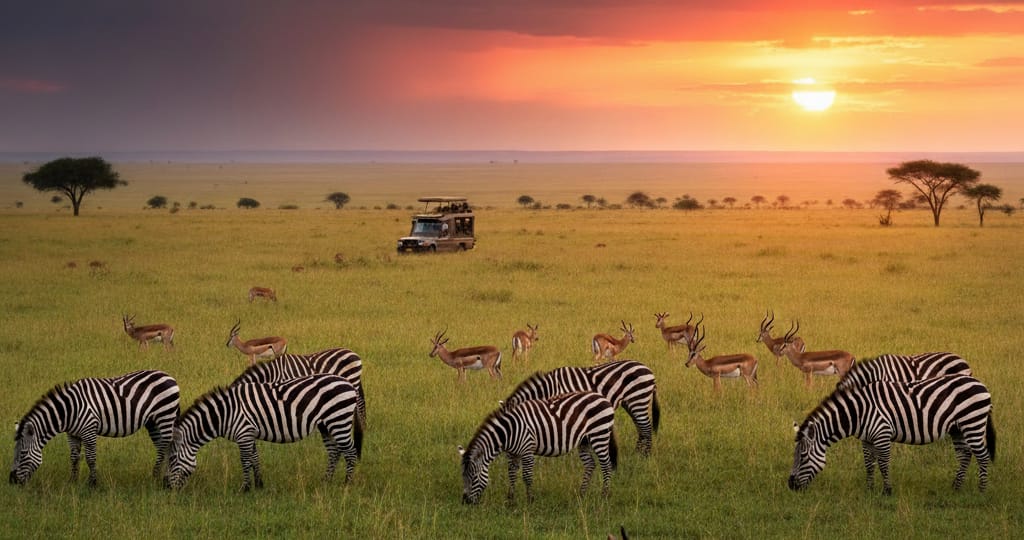
Most travelers are obsessed with the dry season because the grass is short and animals congregate around waterholes, which makes spotting them seemingly easier. That logic makes sense on paper, but here is what the brochures don’t tell you: March creates a completely different, often superior, viewing dynamic that seasoned safari-goers absolutely love. When the short rains have done their work, the dusty brown savannah transforms into an emerald paradise that looks like it has been manicured by a professional gardener. This isn’t just about aesthetics (though your Instagram feed will look fire); the fresh grass attracts massive herds of grazers who are happy, healthy, and full of energy. Because the landscape is so lush, animals don’t need to travel miles for water, meaning they are everywhere. You don’t have to camp out by a drying riverbed waiting for a thirsty impala; you will find them grazing right next to your vehicle. This dispersion means you get private viewings rather than sharing a lion sighting with a traffic jam of land cruisers.
The Myth of Long Grass and Visibility
There is a massive misconception floating around that long grass in the Green Season hides everything and ruins your game viewing. Let’s debunk that right now. While the grass is indeed longer than in September, March in the Mara Triangle often sees the grass at a manageable height, especially on the plains where the grazers keep it trim. Furthermore, predators love using this cover to stalk, which means you aren’t just seeing a lion sleeping under a bush for six hours; you are watching them actively hunt. The drama is real, the action is constant, and the suspense of seeing a cheetah disappear into the gold-green stalks is something you won’t forget. The visibility is actually fantastic for spotting behavior, not just presence. You get to see animals in their element, using the environment to their advantage, which is far more exciting than seeing them panting in the heat on bare earth.
The Solitude Factor
Let’s be honest: nothing kills the vibe of a wilderness experience quite like hearing the chatter of fifty other tourists or the revving of engines. In March, the Mara Triangle feels exclusive. You can drive for hours and not see another soul, making you feel like the early explorers (minus the pith helmets and questionable colonial attitudes). When you do find a sighting, it is often yours alone. You can sit with a leopard for an hour, watching it groom itself or stalk prey, without feeling pressured to move on so the next car can have a look. This level of intimacy allows you to connect with nature in a way that is simply impossible during the chaotic peak season. It is just you, your guide, and the wild—exactly how a safari should be.
Weather Patterns and Dramatics
You might be worried about the rain, but let us reassure you that the weather in March is spectacular. Yes, it is the start of the “long rains,” but that doesn’t mean it rains all day every day like a wet weekend in London. Typically, you get clear, crisp mornings perfect for game drives, followed by dramatic cloud build-ups in the afternoon. These storms are photogenic beasts in their own right, offering incredible backdrops for your photos. The rain usually clears quickly, leaving the air dust-free and crystal clear. You can see for miles, often spotting Mount Kenya or Kilimanjaro in the distance, which is rare in the hazy dry season. plus, the sunsets after a storm are legendary, painting the sky in violets, oranges, and deep reds that you have to see to believe.
Pro Tip
Pack a good pair of binoculars. Since animals are more dispersed across the plains rather than just at waterholes, having high-quality optics will help you spot that leopard resting in a tree or a cheetah scanning the horizon from a termite mound. Don’t rely solely on your camera’s zoom; a decent pair of binos changes the game entirely.
2. The Great Migration Isn’t Everything: Resident Wildlife Galore
You might be thinking that if the Great Migration isn’t in town, the place is empty and boring. Mate, that couldn’t be further from the truth. The Masai Mara is a year-round destination with a massive resident population of wildlife that doesn’t go anywhere. The Big Five (lion, leopard, rhinoceros, elephant, and buffalo) don’t pack their bags and leave for Tanzania just because the wildebeest do; they live here permanently. In fact, spotting rhinos in the Mara Triangle can actually be easier in March because there are fewer vehicles to spook them, and they are more relaxed. You are visiting their home when the guests have left, and they are chilling out.
The Loita Migration Phenomenon
While the main migration from the Serengeti arrives later in the year, March often sees the movement of the Loita migration. These are resident wildebeest and zebras that move from the Loita Hills into the Mara Reserve in search of that sweet, nutritious green grass. It is a mini-migration that offers all the spectacle of the big one—massive herds, river crossings, and predator action—without the madness of the peak season crowds. You can witness thousands of animals covering the plains, grunting and grazing, and you will have the front-row seat all to yourself. It is a phenomenal sight that many tourists completely miss out on because they are too focused on the calendar dates for the Serengeti crossing.
Birdwatching Bonanza for the Nerds
For our bird nerds out there (and we say that with massive love and respect), March is absolutely spectacular. Migratory birds from Europe and North Africa are present, boosting the species count significantly. You’ll see colorful rollers, bee-eaters, storks, and raptors in abundance. The lush vegetation also attracts insect-eating birds, while the wetlands are teeming with waterbirds. Even if you aren’t a birder, the sheer variety and color of the birdlife in March adds a whole new layer to your safari. Your guide will point out species you didn’t even know existed, and you might just find yourself getting hooked on ticking them off your list.
Predator Action is Intense
With thousands of resident herbivores giving birth and the grass providing cover, the predators are having a field day. Lions, cheetahs, leopards, and hyenas are extremely active and well-fed. If you want to see a hunt, March is arguably one of the best times to witness the circle of life in action. The abundance of prey means predators don’t have to travel far, and territories are fiercely defended. You might see a pride of lions taking down a buffalo, a cheetah sprinting after a gazelle, or a leopard hoisting its kill up a tree to keep it safe from hyenas. It is raw, brutal, and utterly captivating nature documentary stuff happening right in front of your eyes.
Pro Tip
Ask your guide to take you to the marsh areas. The Musiara Marsh and other wetland areas in the Mara Triangle are hotspots for elephants and buffaloes who love the lush vegetation and cooling mud during March. These areas are teeming with life and offer some of the best photographic opportunities in the entire reserve.
3. Calving Season: The Cutest and Cruelest Time to Visit
If you like baby animals (and seriously, who doesn’t?), March is your absolute jackpot. This period often coincides with the tail end of the calving season for many antelope species and the beginning of the boom for others. The abundance of nutritious grass means mothers have plenty of milk, and the survival rates for the young ones are higher. You will see wobbly zebra foals with fluffy stripes, tiny Thompson’s gazelles that look like wind-up toys, and playful elephant calves learning how to use their trunks. It is proper cute and will melt even the coldest of hearts. The interactions between mothers and their young are tender and fascinating to watch, offering a softer side to the harsh African wilderness.
The Circle of Life
Okay, we have to be real here: this part is a bit brutal, but it is nature in its purest form. The influx of vulnerable babies attracts predators like a dinner bell. If you are interested in animal behavior and the stark realities of the wild, this season offers a front-row seat to the survival strategies of herbivores and the hunting techniques of carnivores. You will see mothers defending their young with incredible bravery, sometimes fighting off predators much larger than themselves. You will also see the predators teaching their own cubs how to hunt, using the abundance of slow-moving prey as a training ground. It is emotional, intense, and educational all at once.
Photographic Gold with Youngsters
Baby animals are incredibly photogenic, and the green backdrop makes them pop. The contrast of a young foal against the bright green grass, perhaps with a dramatic storm cloud in the background, creates award-winning shots. The lighting in March is softer and less harsh than the dry season, making your photos look professional even if you are just using a smartphone. Capturing a moment of a lion cub playing with its sibling or a baby giraffe taking its first steps is something you will treasure forever. The opportunities for capturing emotion and storytelling in your images are endless during the calving season.
Why Do Wildebeest Migrate?
While watching the babies, you might wonder, “Why do wildebeest migrate anyway?” It is all driven by the rains and the search for fresh grazing. The massive herds follow a prehistoric rhythm, chasing the storm clouds to find the best grass to fuel their journey and feed their young. Understanding this cycle helps you appreciate what you are seeing. Even the resident animals in the Mara move around locally based on where the rain has fallen. Your guide will be an expert in reading these signs, taking you to where the action is based on the weather patterns of the last few days.
Pro Tip
Be patient near herds with young. Predators will often shadow these nursery herds, lurking in the periphery. If you spot a large group of mothers and babies, scan the perimeter carefully with your binos. You might just spot a pair of lioness ears twitching in the grass or a hyena assessing the situation. Patience pays off big time here.
4. Slashing the Cost: Luxury for Less
Let’s talk brass tacks. Money. Dosh. Moolah. If you want a luxury experience without the eye-watering luxury price tag, March is the absolute best time to book your safari. Lodges and camps drop their rates significantly during the Green Season to attract visitors. We are talking about savings of up to 30% or even 50% compared to peak season prices. You can stay in ultra-luxury camps that might be totally out of your budget in August for a fraction of the cost in March. This allows you to upgrade your experience, perhaps staying longer or adding on extras like balloon safaris or spa treatments that you otherwise wouldn’t afford.
Single Supplement Waivers
Traveling solo? High season often slaps you with a nasty “single supplement” fee that basically punishes you for not bringing a partner. In March, many lodges waive this fee to attract solo travelers. This is a massive saving if you are ridin’ solo and want to explore the world on your own terms. It makes the dream of an African safari accessible to solo adventurers who are often priced out of the market during the peak months. You get the same room, the same food, and the same service, but you keep a chunk of change in your pocket.
Value for Money on Packages
Getting a package deal in March often results in a lower overall cost per day because operators are keen to fill spots. When you look at safari package prices for Kenya safari in December versus March, the difference is stark. You can often get a 12 days Kenya safari in the Green Season for the price of a 7-day trip in the high season. That is nearly double the time in the bush for the same money. More time means more sightings, more relaxation, and a deeper immersion in the experience. Plus, many operators throw in extras like free transfers or private bush dinners to sweeten the deal.
Lower Park Fees?
While the standard Mara park fees 2025 are generally set, staying in certain conservancies or booking specific offers can sometimes yield savings. It is always worth checking if there are resident rates or special Green Season offers for Mara Triangle park fees. Sometimes, the Maasai Mara entrance fee is included in your package, simplifying your budgeting. Knowing how to pay Masai Mara park fees online or through your operator saves you hassle at the gate, and in the quiet season, the process is usually much smoother and faster anyway.
Pro Tip
Look for “Pay 3, Stay 4” deals. Many luxury properties offer special packages where you get a free night if you book a certain number of days. This extends your holiday without extending your budget. Ask specifically for Green Season offers when you are inquiring; sometimes they aren’t advertised on the front page but are available if you ask.
5. Combining Bush and Beach: The Ultimate Kenya Itinerary
You simply cannot come all the way to Kenya and not dip your toes in the Indian Ocean. The classic “Bush and Beach” combo is the stuff of legends, and March is a fantastic time for it. After a few days of early mornings, bumpy roads, and adrenaline-pumping game drives, chilling on the white sands is pure bliss. The Kenyan coast is generally hot and sunny in March, with the ocean being warm and inviting. It is the perfect way to decompress, wash off the safari dust, and reflect on the incredible things you have seen before heading back to the real world.
Best Beaches in Kenya to Chill At
When looking for the best beaches in Kenya, you are spoiled for choice. Diani Beach is often voted one of the nicest beaches in Africa, with its powdery white sand and turquoise water. It has a great vibe with plenty of restaurants and bars. If you want something quieter, Watamu or Malindi offers stunning scenery and a more laid-back atmosphere. For total seclusion, check out the beaches in Lamu or Funzi Island. Whether you are looking for trending beach destinations Kenya 2026 or just any beach to relax on, the coast has it all. The water clarity in March is often excellent for snorkeling and diving, as the winds are calmer between the monsoons.
Easy Logistics
Flights from the Mara airstrips to Diani (Ukunda) or Mombasa are frequent and easy. You can literally have breakfast watching lions in the savannah and be sipping cocktails by the Indian Ocean by sunset. It is seamless. This combination makes for an ideal Kenya safari and beach holiday. You don’t have to waste days traveling; a short flight hops you from one paradise to another. Many safari companies in Kenya can book the whole itinerary for you, ensuring the transitions are smooth and stress-free.
Accommodation Options for Every Budget
Just like on safari, the coast has options ranging from budget hostels to ultra-luxury resorts. You can find trending family-friendly cities Kenya 2026 along the coast that offer great activities for kids. Whether you want an all-inclusive resort where you don’t have to lift a finger or a private villa with your own chef, you will find it. Places like Bantu Lodge Nanyuki might be your stop before the coast, but once you hit the beach, you have endless choices. Best beaches in Kenyan coast guides will help you pick the perfect spot for your style.
Pro Tip
Book your flights early. Even though it is the Green Season for safaris, the coast can be popular with locals and international tourists escaping the winter. Secure your internal flights (e.g., from Wilson Airport or Mara airstrips to Ukunda) in advance to get the best rates and ensure you don’t get stuck on a waiting list.
6. Extending Your Trip: Hidden Gems Beyond the Mara
The Mara is the jewel in the crown, but Kenya has so many other sparkling gems that are perfect for adding onto a March itinerary. Since you saved money on the safari, why not explore more? Plan a Nairobi safari experience before you head out, visiting the David Sheldrick Wildlife Trust or the Giraffe Centre. Or, take a 1 day safari Nairobi National Park to get a taste of the wild right next to the city skyscrapers. It is surreal to see a rhino with a city skyline in the background.
Lake Naivasha and Sanctuary Farm
A fantastic stopover is Lake Naivasha. You can visit Sanctuary Farm Naivasha, which is a stunning place where you can walk among zebras and giraffes because there are no predators. It is incredibly peaceful. Sanctuary Farm Naivasha entrance fee is very reasonable, and you can even go horse riding there. Sanctuary Farm Lake Naivasha offers a unique perspective on wildlife viewing that is totally different from the vehicle-based safaris in the Mara. You can also take a boat ride on the lake to see hippos and fish eagles.
Up North to Laikipia and Nanyuki
Head north to Nanyuki and experience places like Bantu Lodge Nanyuki or the famous Ol Pejeta Conservancy. Here you can see the northern white rhino and visit the chimpanzee sanctuary. Ol Jogi prices per person might be on the higher end, but the experience is exclusive. Ol Jogi entry fees reflect the conservation work they do. You can also engage in activities like horse riding Nanyuki or hiking around Mount Kenya. Bantu Mountain Lodge is a great base for exploring this region, offering a mix of adventure and relaxation.
The Aberdares and Beyond
If you are feeling adventurous, check out the Aberdares for forest elephants and bongos. Or look into trending mountain resorts Tanzania 2026 if you are planning a cross-border trip. A 12 day Kenya Tanzania safari is a massive undertaking but absolutely worth it if you have the time. You can compare Four Seasons Serengeti with the lodges in the Mara to see which luxury suits you best. The diversity of landscapes in East Africa is mind-blowing, and moving from the open plains of the Mara to the forests of the Aberdares or the dry north of Samburu gives you a complete picture of the ecosystem.
Pro Tip
Try a self-drive or budget camping trip for part of your journey. If you are adventurous, Mara Triangle camping is an option, or stay at places like Hornbill Campsite or Oloiba Nkuti Lodge for a more rustic feel. Just make sure you know the Mara Triangle map and rules before you go off on your own. Renting a 4×4 and exploring gives you total freedom.
7. What to Pack for the Green Season (Don’t Be That Guy)
Packing for March requires a bit more thought than packing for the dry season. You need to be ready for mixed conditions, but don’t panic; you don’t need to pack the entire contents of your wardrobe. The key is versatility. You will experience four seasons in one day, from chilly mornings to hot, humid afternoons, and back to cool evenings.
The Layering Game is Essential
Mornings can still be crisp, so you need a fleece or a light jacket. By 11 AM, you will be roasting, so t-shirts and shorts (or zip-off trousers) are essential. Evenings cool down again, especially after a rain shower. Think “onion,” but hopefully you smell better than one. Light, breathable fabrics that dry quickly are your best friends. Avoid heavy denim or thick cotton that takes forever to dry if it gets damp.
Footwear Matters Big Time
Since it can be muddy, bring sturdy boots with good grip. Leave the pristine white sneakers at home unless you want them to turn permanently brown. If you plan on doing a walking safari (which is amazing in the Green Season), waterproof hiking boots are a must. You might also want a pair of flip-flops or sandals for around the camp or for the shower.
Bug Protection
The lush grass does mean a few more bugs than the dry season. Mosquitoes and tsetse flies can be present. Wear neutral colors like khaki, tan, or green (avoid dark blue and black, which attract tsetse flies like a magnet). Pack a strong insect repellent containing DEET or Picaridin and use it liberally. Most lodges provide mosquito nets, but having your own spray is crucial for game drives and sundowners.
Pro Tip
Pack a fast-drying travel towel and a dry bag. If you get caught in a shower, it’s nice to dry off your face or your camera gear quickly. A dry bag will keep your phone, passport, and camera safe if the heavens open while you are out on a drive. It is a small item that saves a lot of heartache.
8. Planning Your Trip: Logistics and Practicalities
Okay, let’s get down to the nitty-gritty of planning. You want to ensure everything runs smoothly so you can focus on the fun stuff. First, decide on your dates. Masai Mara in January, Masai Mara in March, and Kenya safari February all offer great Green Season vibes, but March is the sweet spot for lushness and low crowds. Check the Masai Mara weather January vs March to see what suits you, but generally, March is greener.
Choosing the Right Operator
This is crucial. You want to ask questions like: “Which safari operators are recognized for their outstanding wildlife viewing experiences?” and “Which Kenya safaris companies’ pricing best boosts customer loyalty and repeat purchases?”. Look for reviews that mention guides by name. A good guide makes or breaks a safari. Best safari companies in Kenya are those that invest in their staff. Also, ask “List safari companies in Kenya safaris that are leading in sustainable or eco-friendly initiatives.” Supporting eco friendly safari operators ensures your money helps conservation.
Costs and Budgeting
Be clear on your budget. How much does a 2 week African safari cost? It varies wildly. Safari package prices can range from budget camping to ultra-luxury. Ask about inclusions: are Mara Triangle park fees included? What about the Sanctuary Farm Naivasha entrance fee? Knowing the cost of safari in Kenya upfront prevents nasty surprises. If you are on a tight budget, look for Kenya group safari on a budget or Kenyan safari on a shoestring. There are options for everyone, from 3-day Kenya safari quick trips to extended stays.
Getting There
Most people fly into Jomo Kenyatta International Airport (NBO) in Nairobi. From there, you can fly to the Mara from Wilson Airport (WIL) or take a road transfer. The drive is longer but lets you see the countryside. If you are driving, make sure you have a good Mara Triangle map and know the Mara gate fees. If you are looking for plan a weekend trip to a nearby national or state park, Nairobi National Park is right there.
Pro Tip
Check visa requirements and health regulations well in advance. Kenya requires an e-visa for most nationalities. Also, consult your doctor about vaccinations and malaria prophylaxis. Don’t leave this until the last minute, as some jabs need to be done weeks before travel.
9. Photography in the Green Season: A Shutterbug’s Dream
If you are a photographer, hobbyist, or pro, stop scrolling and book for March. Seriously. The photographic opportunities are superior to the dry season in almost every way. The Masai Mara in March provides a canvas that is vibrant and full of life.
Colors and Contrast
Dry season photos are all beige, brown, and dusty. Green season photos are vibrant greens, dark blue storm clouds, golden sunlight, and colorful wildflowers. The contrast is stunning. Your photos will stand out from the millions of other safari photos out there. The black and white stripes of a zebra against lush green grass is a classic shot that looks best in March.
The “Golden Hour” Magic
The air is free of dust haze, meaning your images will be sharper and the colors more saturated. The “Golden Hour” (the first hour after sunrise and the last hour before sunset) seems to last longer, and the light quality is softer. The dramatic skies provide incredible backdrops for wide-angle wildlife shots. You can capture the scale of the landscape with towering cumulus clouds dwarfing the animals below.
Clean Backgrounds
Nothing ruins a great shot of a cheetah like a Toyota Land Cruiser in the background. With fewer cars around, you have clean backgrounds and clear lines of sight. You can position yourself perfectly without annoying other drivers or having your view blocked. You can take your time to compose the shot, waiting for the perfect head turn or interaction.
Pro Tip
Bring a bean bag for camera support. Tripods are useless inside a vehicle. A bean bag draped over the window frame or the roof hatch gives you a rock-steady platform for those long-lens shots, especially in low light conditions. You can buy them empty and fill them with rice or beans locally to save weight in your luggage.
10. Why Choose Mara Triangle Safaris?
We might be biased, but we believe the Mara Triangle is the best part of the reserve, and we know it like the back of our hand. The Mara Triangle conservancy is managed by a non-profit, the Mara Conservancy, which ensures that Mara Triangle park fees go directly back into conservation and road maintenance.
Better Management and Roads
The roads in the Triangle are generally better maintained than other parts of the reserve, which is crucial during the rainy season. You don’t want to get stuck in the mud every five minutes. The anti-poaching efforts are world-class, meaning the animals are relaxed and plentiful. We know the Mara Triangle map intimately and can get you to the sightings before anyone else.
Ethical and Sustainable
When you ask “list safari companies in Kenya safaris that are leading in sustainable or eco-friendly initiatives,” we are right up there. We prioritize eco friendly safari practices, minimizing our footprint and supporting local communities. We believe in low density safari Kenya experiences, keeping things exclusive and respectful to nature.
Tailored Experiences
Whether you want a Kenya safari for couples, a Kenya safari family trip with kids, or a romantic safari for your honeymoon, we tailor the itinerary to you. We know the best safari lodges in Kenya and can recommend places that fit your style and budget, from Bantu Lodge Nanyuki to high-end camps in the Triangle. We answer your Kenya safari tour questions honestly and help you plan the perfect trip.
Pro Tip
Book directly with a local operator. By booking with Mara Triangle Safaris, you cut out the middleman and ensure more of your money stays in Kenya, supporting local jobs and conservation. Plus, you get direct access to our local knowledge and can ask us anything, from “is March a good time to visit Masai Mara” to “what are the secret 7 animals?”.
Conclusion: Stop Waiting, Start Packing
So, is a safari in March right for you? If you want massive crowds, dust in your teeth, and high prices, then absolutely not. Stick to August. But if you want lush, vibrant landscapes, baby animals everywhere, dramatic predator action, exclusive private sightings, luxury for less money, and stunning photography opportunities, then March is absolutely the best time to visit the Mara Triangle. It is the savvy traveler’s choice. It is for those who want to see the wild, not the tourists.
Don’t let the fear of a little rain scare you off. Embrace the green. The secret is out, but the crowds aren’t there yet. Whether you are looking for best safari companies in Kenya, Kenya safari 2026 planning, or just curious about masai mara boundary length 404 km, we are here to help. Grab your camera, pack your boots, and get ready for the adventure of a lifetime.
Ready to plan your March adventure? Check out our exclusive Green Season packages at Mara Triangle Safaris and book your spot before the secret gets too big!