
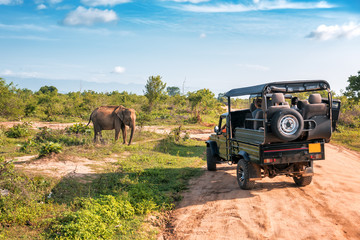
How to Experience the Magic of a Kenya Safari in February
So, you’re thinking about an adventure, and not just any old trip. You’re dreaming of vast open plains, incredible wildlife, and sunsets that will absolutely blow your mind. Forget the usual beach holiday; it’s time to talk about something truly special. Let’s dive into why a Kenya safari in February is the absolute bee’s knees. This isn’t your run-of-the-mill travel guide. We’re going to give you the inside scoop, the real deal on how to make your African dream a reality.
You see, while others are shivering through the last dregs of winter, you could be out in the sunshine, witnessing nature’s greatest show. Planning the best safari in February means looking at Kenya, a destination that offers unparalleled experiences. This guide is your ultimate ticket to planning an unforgettable Kenya safari in February, covering everything from where to go, what to see, and how to get the most bang for your buck.
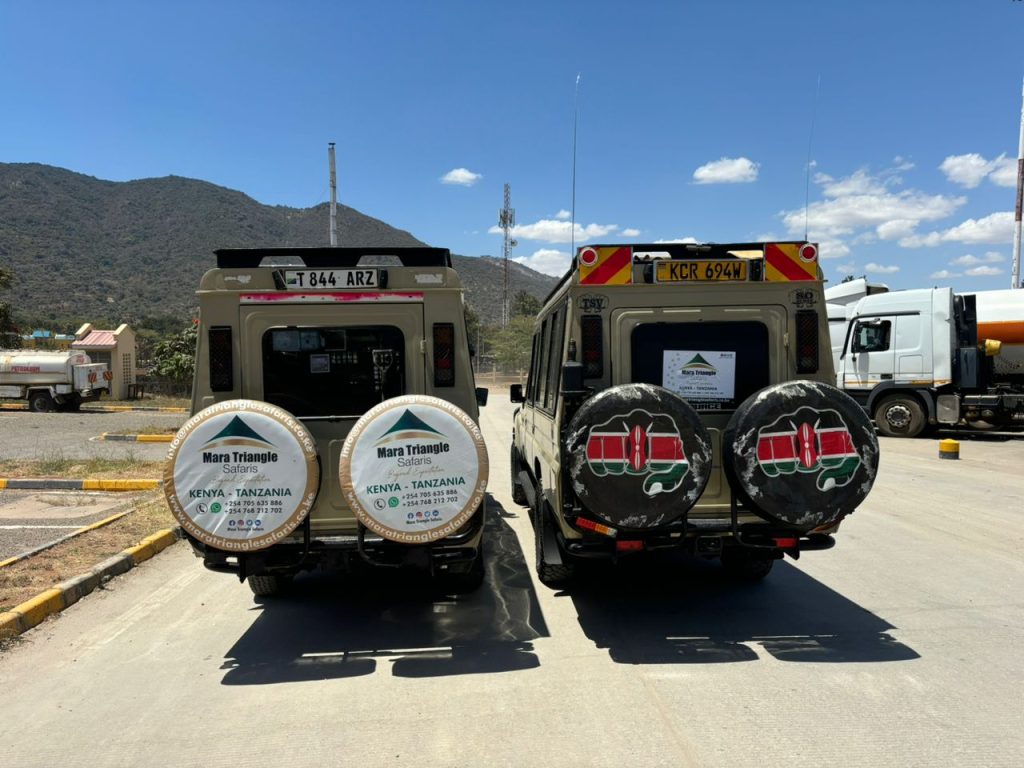
Why a Kenya Safari in February is a Cracking Good Idea
Let’s get straight to it. Why should you be booking a Kenya safari in February? Well, mate, February is a bit of a golden month in Kenya. It’s nestled between the short and long rainy seasons, meaning the weather is generally dry and sunny. This is what we call a “shoulder season,” which is brilliant for you. The parks are less crowded than during the peak summer months, but the wildlife viewing is absolutely top-notch. Because it’s dry, animals tend to congregate around the remaining water sources, making them easier to spot. You get all the perks of a high-season safari without the bustling crowds. This makes planning your Kenya safari in February a stroke of genius, offering a more intimate connection with the wild. Plus, the lighting is fantastic for photos, so your Instagram feed will thank you.
Understanding the Climate: Africa in February Weather
Worried about the heat? Don’t be. The Africa in February weather, particularly in Kenya, is quite pleasant. You can expect warm, sunny days perfect for game drives, with temperatures often hovering around the mid to high 20s Celsius (that’s the high 70s to low 80s Fahrenheit for our American friends). The mornings and evenings can be cooler, so packing a light jacket is a smart move. This excellent weather pattern makes a Kenya safari in February ideal for all-day adventures, from early morning game drives to sundowners overlooking the savanna. Unlike a safari in March or a safari in April when the long rains begin, February offers stable, dry conditions, ensuring your plans aren’t washed out.
The Wildlife Scene During Your Kenya Safari in February
February is a fantastic time for wildlife viewing, which is the main reason you are planning a Kenya safari in February, right? It’s calving season for many species, including wildebeest and zebra, which means you’ll see tons of adorable baby animals wobbling around on their new legs. Of course, where there are newborns, predators are never far behind. This creates a dynamic and thrilling environment, with plenty of action to witness. Lions, cheetahs, and leopards are often more active as they take advantage of the hunting opportunities. Birding is also spectacular, with many migratory species still present. Your Kenya safari in February will be filled with these incredible moments.
Bring a good pair of binoculars! They are essential for spotting animals from a distance and getting a closer look at all the action during your Kenya safari in February.
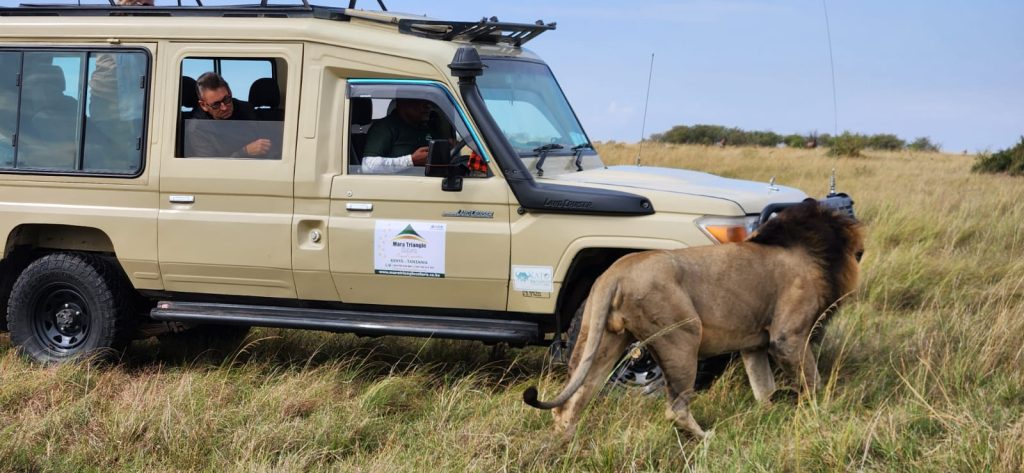
Planning Your Budget for a Kenya Safari in February
Let’s talk money. A safari can seem daunting, but it doesn’t have to break the bank. The Kenya safari cost per day can vary widely depending on your style of travel. Are you a five-star glamper or a happy-go-lucky camper? You can find options ranging from around $200 per day for budget camping safaris to over $1,000 per day for ultra-luxury lodges. A good mid-range option, which offers comfortable lodging and excellent guiding, will typically fall in the $350-$500 per person per day range. When you’re looking at Kenya safari packages prices, remember that a Kenya safari in February can offer better value than peak season months, giving you more for your money.
Decoding Kenya Safari Packages
When you start your Kenya safari booking, you’ll see a lot of different Kenya safari packages. An all-inclusive package is often the best way to go. These typically cover your accommodation, meals, park fees, and game drives. This means you can relax and enjoy your trip without constantly reaching for your wallet. We at Mara Triangle Safaris offer a variety of Kenya safari all-inclusive packages to suit different budgets. Whether you’re looking for affordable Kenya safari packages or a more luxurious experience, planning your Kenya safari in February with a package deal simplifies everything.
Finding Affordable Kenya Safari Packages
You don’t need to be a millionaire to experience the magic of Africa. There are plenty of affordable Kenya safari packages available, especially if you’re flexible. Traveling in a small group, opting for comfortable mid-range lodges instead of lavish ones, and choosing a road safari instead of flying between parks can significantly lower costs. Our 5 Day Classic Mid Range Safari (Minivan) is a perfect example of a high-value trip that delivers an incredible experience without an eye-watering price tag, making a Kenya safari in February accessible to more travelers.
Book in advance! Even though February isn’t the absolute peak season, the best lodges and guides for a Kenya safari in February get booked up early. Securing your spot ahead of time can also lock in better prices.
10 Best Places to Visit for Your Kenya Safari in February
Alright, you’re convinced a Kenya safari in February is for you. But where exactly should you go? Kenya is a big country with a dizzying array of parks and reserves. To help you out, we’ve put together a list of the top 10 spots that are particularly awesome in February. Each of these destinations offers a unique flavor for your Kenya safari in February, ensuring your adventure is packed with diverse landscapes and wildlife sightings. This list is your key to crafting the perfect itinerary.
1. Masai Mara National Reserve
You can’t talk about a Kenya safari in February without mentioning the legendary Masai Mara. While it’s famous for the Great Migration in later months, the Mara is a year-round wildlife haven with a massive resident population of animals. In February, the grass is shorter, making it easier to spot the big cats that the Mara is famous for. You’ll see lions, cheetahs, and elusive leopards, along with elephants, giraffes, and hippos. The Mara River is always a hub of activity. This is a must-visit destination for any Kenya safari in February.
- Luxury: Angama Mara, Governors’ Camp. Prices can be upwards of $1,000 per night.
- Mid-Range: Mara Serena Safari Lodge, Ashnil Mara Camp. Expect prices around $400-$600 per night.
- Affordable: Enkorok Mara Camp, Jambo Mara Safari Lodge. Prices can be around $200-$300 per night.
2. Amboseli National Park
Want that iconic photo of elephants with Mount Kilimanjaro in the background? Amboseli is your place. February is a fantastic time to visit because the dry weather means less haze, offering clear views of the mountain’s snowy peak. The park is home to some of the largest elephant herds in Africa. The dry conditions concentrate these gentle giants, along with other wildlife, around the park’s swamps and marshes, making for phenomenal game viewing on your Kenya safari in February.
- Luxury: Tortilis Camp Amboseli. Expect to pay over $800 per night.
- Mid-Range: Ol Tukai Lodge, Amboseli Serena Safari Lodge. Prices range from $350-$500 per night.
- Affordable: AA Lodge Amboseli. You can find rooms for under $200 per night.
3. Samburu National Reserve
For a different safari flavor, head north to Samburu. This arid region has a unique beauty and is home to the “Samburu Special Five”: the Grevy’s zebra, reticulated giraffe, Somali ostrich, gerenuk, and beisa oryx. You won’t find these animals together anywhere else in Kenya. The Ewaso Ng’iro River is the lifeblood of the reserve, and in the dry month of February, it’s where all the action happens. A Kenya safari in February in Samburu offers a truly unique and less-traveled experience.
- Luxury: Sasaab Lodge, Elephant Bedroom Camp. Prices can exceed $900 per night.
- Mid-Range: Samburu Sopa Lodge, Ashnil Samburu Camp. Expect to pay around $350-$500 per night.
- Affordable: Samburu Simba Lodge. Prices are often in the $200-$300 range.
4. Lake Nakuru National Park
Famous for its flamingo-filled lake and as a sanctuary for rhinos, Lake Nakuru is a gem. A Kenya safari in February here is fantastic for bird lovers and those keen to see both black and white rhinos. While the number of flamingos can fluctuate, the park’s diverse habitats support a wide range of other wildlife, including Rothschild’s giraffes, leopards, and lions. The dry weather makes the tracks easy to navigate and wildlife easier to spot against the green acacia forests.
- Luxury: Sarova Lion Hill Game Lodge. Prices are typically in the $500+ range.
- Mid-Range: Lake Nakuru Lodge, Flamingo Hill Tented Camp. Expect to pay $300-$450 per night.
- Affordable: Lake Nakuru Sopa Lodge. You can find options for around $250 per night.
5. Tsavo West National Park
Tsavo West is a land of dramatic landscapes, from volcanic hills and lava flows to lush springs. A Kenya safari in February here is an adventure in a rugged, wild setting. The park is famous for its large elephant herds, often colored red from the dust, and the legendary “man-eaters of Tsavo” lions. A visit to Mzima Springs, where you can see hippos and crocodiles from an underwater viewing chamber, is a highlight. The dry season makes wildlife easier to find in this vast wilderness.
- Luxury: Finch Hattons, Kilaguni Serena Safari Lodge. Prices can start from $600 and go up.
- Mid-Range: Severin Safari Camp. Expect prices around $350-$450 per night.
- Affordable: Ngulia Safari Lodge. You can often find rooms for under $250.
6. Tsavo East National Park
The other half of Kenya’s largest national park, Tsavo East, offers a different experience. It’s flatter and more arid, known for its vast, open plains. This is the classic savanna landscape you’ve seen in documentaries. It’s an excellent place to see huge herds of elephants and other plains game. The Galana River cuts through the park and is a magnet for wildlife. Planning a Kenya safari in February here means you’ll have an easier time spotting animals against the dry vegetation, making for a rewarding game-viewing experience.
- Luxury: Galdessa Camp. Prices are in the higher end, often over $700 per night.
- Mid-Range: Ashnil Aruba Lodge, Voi Safari Lodge. Expect prices around $300-$450 per night.
- Affordable: Sentrim Tsavo East. You can find budget-friendly options here, often under $200.
7. Nairobi National Park
Don’t have time for a long safari? A Kenya safari in Nairobi is a fantastic option. Just a short drive from the city center, this park boasts an impressive variety of wildlife with the city skyline as a backdrop. You can see lions, leopards, rhinos, giraffes, and more. It’s the perfect way to start or end your Kenya safari in February, offering a quick but authentic wildlife fix. The dry weather in February ensures good viewing conditions and a chance to see many of the park’s inhabitants.
- Luxury: The Emakoko. This lodge is inside the park and offers a premium experience for over $800 per night.
- Mid-Range: There are no mid-range lodges inside the park, but numerous hotels in nearby Karen like Hemingways Nairobi offer great access.
- Affordable: Many city hotels offer easy day trips, which is the most affordable way to visit.
8. Ol Pejeta Conservancy
This private conservancy is a conservation success story and a brilliant place for a Kenya safari in February. It has the highest density of wildlife in Kenya and is home to the last two northern white rhinos in the world. You can also visit the Sweetwaters Chimpanzee Sanctuary. Ol Pejeta offers a range of activities, including night game drives and guided bush walks, which aren’t always available in national parks. The conservancy’s excellent management makes wildlife viewing superb year-round, and February is no exception.
- Luxury: Ol Pejeta Bush Camp, Sweetwaters Serena Camp. Prices are often in the $500-$700 range.
- Mid-Range: The Stables. A more rustic but comfortable option.
- Affordable: Camping options are available for the truly budget-conscious traveler.
9. Meru National Park
Made famous by the book and film “Born Free,” Meru National Park is a wild and remote destination. Its diverse landscapes include lush riverine forests, open plains, and dense bush. This variety of habitats supports a wide range of animals, including lions, elephants, cheetahs, and a healthy rhino population. A Kenya safari in February in Meru means fewer crowds and a real sense of being off the beaten path, allowing you to connect deeply with the African wilderness.
- Luxury: Elsa’s Kopje Meru. A stunning luxury option with prices to match, often over $900 per night.
- Mid-Range: Rhino River Camp. Expect to pay around $400-$600 per night.
- Affordable: Ikweta Safari Camp provides a more budget-friendly base for exploring the park.
10. Lake Naivasha
While not a traditional Big Five safari destination, Lake Naivasha is a must-visit for its serene beauty and unique activities. You can take a boat safari to get up close with hippos and an incredible variety of birds. A walking safari on Crescent Island, where you can stroll among giraffes, zebras, and wildebeest, is an unforgettable experience. Including Lake Naivasha in your Kenya safari in February itinerary offers a wonderful change of pace from vehicle-based game drives and showcases a different side of Kenya’s natural beauty.
- Luxury: Chui Lodge, Loldia House. These offer exclusive experiences with prices often above $700.
- Mid-Range: Lake Naivasha Sopa Resort, Sawela Lodges. Prices are typically in the $300-$450 range.
- Affordable: Camp Carnelley’s, Fisherman’s Camp. Both offer rustic and fun lodging and camping options for under $150.
Consider combining a few of these destinations to get a well-rounded experience. Our 7 Days Kenya and Tanzania Safari is a great way to see the best of both countries, but we can also craft a custom Kenya-only itinerary that hits your top spots for the ultimate Kenya safari in February.
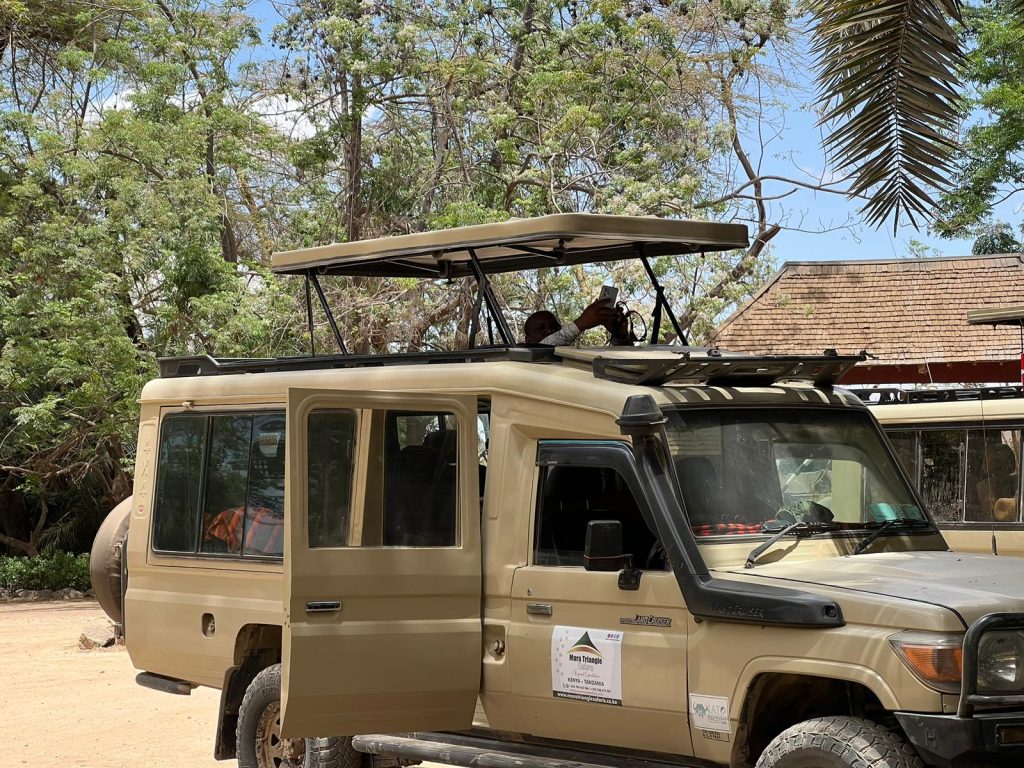
Frequently Asked Questions About a Kenya Safari in February
You’ve got questions, we’ve got answers. Planning a big trip can bring up a lot of queries, so we’ve tackled some of the most common ones to help you plan your Kenya safari in February with confidence. Getting these details sorted will make your Kenya safari booking process smooth and stress-free. From weather to crowds, here’s what you need to know for the best safari in February.
Is February a good month for safari?
Absolutely! February is one of the best months for a safari in Kenya. The weather is dry and pleasant, wildlife is easy to spot near water sources, and it’s calving season, which means lots of baby animals. You also get the bonus of fewer crowds than in the peak July-October season.
Is Kenya safari good in February?
Yes, a Kenya safari in February is excellent. The conditions are near-perfect for game viewing across all the major parks. Clear skies provide great photo opportunities, and the general lack of rain means your game drives are unlikely to be disrupted, making it an ideal time to explore.
Where to safari in Africa in February?
While many countries offer great safaris, Kenya and northern Tanzania are top choices for February. The weather is fantastic, and you can witness the wildebeest calving season in the southern Serengeti/Ndutu region. This makes a combined Kenya safari in February with a trip to Tanzania an epic adventure.
Is Masai Mara busy in February?
The Masai Mara is less busy in February compared to the peak migration season (July-October). This is a huge advantage, as you’ll have more space and a more intimate experience at wildlife sightings. It’s a great time to enjoy the Mara’s incredible resident wildlife without the crowds.
Which African country is best to visit in February?
Kenya is arguably one of the best African countries to visit in February for a classic safari experience. The combination of excellent weather, abundant wildlife, and fewer tourists makes it a winning choice. Tanzania is also a fantastic option, particularly for the Serengeti.
Is Tanzania good in February?
Tanzania is fantastic in February. It’s the heart of the calving season for the wildebeest migration in the southern Serengeti, which is a spectacular sight. Combining a trip to the Serengeti with a Kenya safari in February is a popular and highly recommended option.
Is February a good time to visit Serengeti?
Yes, February is a phenomenal time to visit the Serengeti, especially the southern plains and Ndutu area. This is where millions of wildebeest give birth to their calves, attracting a high concentration of predators. It’s a dramatic and unforgettable wildlife spectacle.
Is Zanzibar busy in February?
Zanzibar experiences one of its dry seasons in February, making it a popular time to visit for a beach holiday. While it can be busy, it’s a great add-on to a Kenya safari in February if you’re looking to combine bush and beach.
Is Masai Mara or Serengeti better?
This is the classic safari debate! Both are incredible. The Serengeti is much larger, while the Masai Mara has a very high concentration of wildlife. In February, the Serengeti has the edge with the wildebeest calving, but the Mara offers superb year-round resident game viewing with fewer crowds.
How much does a Kenya safari cost?
The cost of a Kenya safari in February varies greatly. Budget camping safaris can be as low as $200 per day, while luxury lodges can be over $1,000. A comfortable mid-range safari typically costs between $350 and $500 per person per day, all-inclusive.
What is the best time to visit Kenya for a safari?
The Kenya safari best time is generally during the two dry seasons: from January to March and from June to October. February falls squarely in the first window, offering fantastic conditions. The June to October period coincides with the Great Migration in the Masai Mara.
Which Kenyan safari is best?
The “best” safari depends on your interests and budget. A classic choice combines the Masai Mara for big cats, Amboseli for elephants and views of Kilimanjaro, and Samburu for its unique wildlife. This combination provides a fantastic overview of what a Kenya safari in February can offer.
Ready to Book Your Dream Kenya Safari in February?
Feeling that pull? The one that tells you it’s time for an adventure that will stay with you for a lifetime? A Kenya safari in February is more than just a holiday; it’s an experience that connects you to the wild heart of our planet. From the endless plains of the Masai Mara to the unique creatures of Samburu, you’re in for a treat. We at Mara Triangle Safaris live and breathe this land, and we are passionate about sharing its magic with you. We handle all the details, from your Kenya safari booking to ensuring every day on the ground is seamless and spectacular.
Don’t let another year pass by with “maybe next year.” The time is now. Let us help you craft the perfect itinerary, whether it’s our popular 5 Day Classic Mid Range Safari (Minivan) or a completely custom-built adventure. We have the Kenya safari packages and expertise to make your dream a reality.
Get in touch with us today and let’s start planning your unforgettable Kenya safari in February!
Contact us today to start planning your unforgettable Kenyan journey!
Email: info@mara-triangle-safaris
deals@maratrianglesafaris.co.ke
Phone: (+254) 705 635 886
(+254) 768 212 702
Venus complex, Northern bypass, 1st floor room 4107
Website: https://maratrianglesafaris.co.ke/contact/
Visit our contact page at https://maratrianglesafaris.co.ke/contact/ to get in touch.
We can’t wait to welcome you to Kenya!