
Where to Spot The Big Five in the Mara Triangle
Ready to find the Big Five in the Mara Triangle? Our travel guide shows you where to spot lions, leopards, rhinos, elephants, and buffalos on your Kenya safari.
Spotting the Big Five in the Mara Triangle
So, you’re dreaming of a Kenya safari, but not just any safari. You want the real deal—the thrill of the chase, the awe of seeing nature’s most magnificent creatures up close. Your heart is set on spotting the legendary Big Five, and you’ve heard whispers about a special place where the sightings are simply epic: the Mara Triangle. You’ve come to the right place. This isn’t your typical checklist; it’s your insider’s guide to an adventure you’ll talk about for years.
Ready to find out where the wild things really are?
Let’s dive into the secrets of tracking the Big Five in the Mara Triangle. We’re talking lions, leopards, rhinos, elephants, and buffalos. We’ll uncover the best spots, the best times, and the little-known tips that turn a great safari into a legendary one. Forget just ticking boxes; we’re here to create memories. This is your playbook for an unforgettable journey into the heart of one of Africa’s most wildlife-rich corners.
Your Ultimate Quest for the Big Five in the Mara Triangle
The Mara Triangle is a conservation gem, a section of the greater Masai Mara National Reserve known for its stunning landscapes and incredible wildlife density. Unlike other areas, it’s managed by a non-profit conservancy, which means fewer crowds and more pristine habitats. This makes it the perfect stage for your Big Five safari in Kenya.
The animals here are abundant, and the rolling grasslands, acacia woodlands, and the Mara River provide a dramatic backdrop for your adventure. Tracking the Big Five here feels like stepping into a classic wildlife documentary, with every turn of the trail offering a new possibility for a breathtaking encounter.
So, why are they called the Big Five animals? It’s a term that originated with big-game hunters, referring to the five most difficult and dangerous animals to hunt on foot.
Today, the term has been reclaimed by safari-goers and conservationists.
For you, it represents the ultimate wildlife sighting challenge. Spotting the lion, leopard, rhinoceros, elephant, and Cape buffalo is a badge of honor on any safari. The Mara Triangle, with its rich biodiversity and expert guides, offers one of the best chances on the continent to see all five of these iconic species in a single trip, transforming your safari from a simple holiday into a true expedition.
Where to start your search
Your game drives will take you through diverse landscapes. The open plains are perfect for spotting lions and cheetahs, while the thicker bush and riverine forests are prime leopard territory. Elephants can be found almost anywhere, often in large family herds.
The thrill of the chase
Remember, this isn’t a zoo. Part of the excitement is the unpredictability. Your guide is an expert tracker, reading signs like fresh prints and listening for alarm calls from birds or monkeys. Every drive is a new mystery waiting to be solved.
Pro Tip: Communicate with your guide! If you have a particular interest in spotting one of the Big Five, let them know. They can often tailor the game drive to focus on areas where that animal was last seen.
Locating Lions: Kings of the Big Five in the Mara Triangle
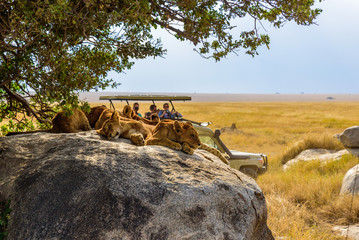
Lions are the superstars of any safari, and the Mara Triangle is their kingdom. The area boasts a healthy and thriving lion population, making sightings very common. You’ll often find them patrolling their territories in the cool hours of the early morning or late afternoon. Look for them lounging on rocky outcrops, known as kopjes, or resting in the shade of an acacia tree to escape the midday heat. The open grasslands of the Triangle provide the perfect hunting ground, so you might even be lucky enough to witness the dramatic spectacle of a hunt as a pride works together to take down prey.
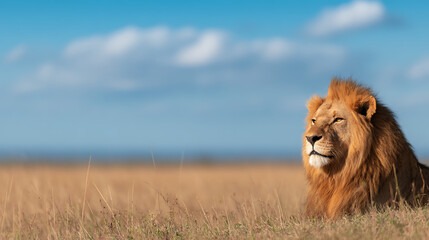
Spotting these majestic predators is a highlight of any trip. The prides in this region are well-documented, and some guides even know the individual Masai Mara lions names and their family histories.
Keep your eyes peeled near the Mara River, as prides often stake out territories along its banks, waiting for thirsty animals to come for a drink. Hearing a lion’s roar echo across the plains as the sun sets is a primal, unforgettable experience that truly connects you to the wild heart of Africa. It’s a powerful reminder of why spotting the Big Five in the Mara Triangle is such a sought-after experience.
Pride Lands Hotspots
The area known as the “Smiling Sausage” plains and the Little Mara River region are fantastic places to start your search. The large prides, like the Angama Pride, often frequent these territories.
Understanding Lion Behavior
Pay attention to their behavior. A flick of the tail, a yawn displaying impressive canines, or the playful antics of cubs are all incredible moments to witness. Patience is key; a sleeping lion can quickly become active as the day cools.
Pro Tip: Use binoculars to scan the plains. Lions are masters of camouflage, and their tawny coats blend in perfectly with the dry grass. What looks like a rock from a distance might just be a napping lion.
Tracking the Elusive Leopard: A Big Five in the Mara Triangle Prize
The leopard is the most secretive and elusive member of the Big Five, and spotting one is a true safari triumph. These solitary hunters are masters of stealth, often spending their days draped over the branch of a sausage tree or hidden in dense riverine forest. The Mara Triangle’s varied terrain, with its thick forests along the Mara River and rocky kopjes, provides the perfect habitat for these beautiful big cats. Unlike lions, leopards are nocturnal, making them most active at dawn and dusk. A patient search along winding tracks through forested areas can yield the ultimate reward: a glimpse of this spotted phantom.
Your guide will be your greatest asset in this quest. They know how to spot the subtle signs of a leopard’s presence, like the nervous alarm calls of squirrels or birds. They’ll scan the branches of large trees for a dangling tail or the silhouette of a resting cat.
It’s estimated there are a significant number of leopards in the Masai Mara, but their solitary and shy nature makes an exact count difficult. Seeing one is a moment of pure luck and skilled tracking, making it one of the most cherished sightings when searching for the Big Five in the Mara Triangle.
Prime Leopard Territory
Focus your search along the Mara River and its tributaries. The dense forests and large fig trees here are a leopard’s paradise. The rocky outcrops scattered across the Triangle are another favorite hiding spot.
The Art of Patience
Leopard sightings often require patience. Sometimes you might only see a twitching ear or a tail. Wait quietly, and the leopard may reveal itself more fully, perhaps climbing down from a tree or moving through the undergrowth.
Pro Tip: Look up! It sounds simple, but many safari-goers scan the ground. Leopards are incredible climbers and often drag their kills up into trees to keep them safe from lions and hyenas. A carcass in a tree is a sure sign a leopard is nearby.
Finding Rhinos: The Critically Endangered Big Five in the Mara Triangle
Finding a black rhino is one of the most rewarding and poignant experiences you can have on a Kenya safari. These magnificent animals are critically endangered due to poaching, and seeing one in the wild is a rare privilege. The Mara Triangle is one of the few places in Kenya where you have a real chance of a sighting. A dedicated team of rangers works around the clock to protect the small but stable population of rhinos that call this area home. The successful conservation efforts here make the Triangle a beacon of hope for the species’ survival.
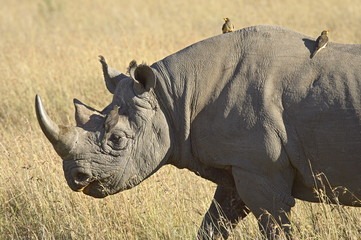
Your search for this member of the Big Five will likely take you to the denser thickets and scrubland where they prefer to browse. Unlike their white rhino cousins who are grazers, black rhinos are browsers, feeding on leaves and twigs.
They are notoriously shy and can be aggressive if startled, so sightings are always conducted from a respectful distance. Given their rarity, every rhino sighting is carefully logged. Knowing how many rhinos are in the Masai Mara helps conservationists monitor their population and protect them for future generations. Witnessing one is a powerful reminder of the fragility of nature and the importance of conservation.
Rhino Conservation Zone
Most of the rhino population is concentrated in a specific, heavily protected area within the Triangle. Your guide will know the general vicinity and will rely on the latest information from park rangers to increase your chances.
Identifying a Black Rhino
Black rhinos are distinguished from white rhinos by their hooked upper lip, which they use to grasp leaves and branches. They are also generally smaller and considered more solitary and aggressive than white rhinos.
Pro Tip: Be ready at a moment’s notice. Rhino sightings can be fleeting. Keep your camera and binoculars on your lap, as you might only have a few moments to appreciate and capture the sight of this incredible animal.
Spotting Elephants: The Gentle Giants of the Big Five in the Mara Triangle
You won’t have to look hard to find elephants in the Mara Triangle; these gentle giants are everywhere. As one of the most common animals in Masai Mara, their presence defines the landscape. You’ll see large breeding herds, led by a wise matriarch, moving gracefully across the plains, their young ones playfully trailing behind.
These intelligent and social creatures are a constant source of fascination. Watching them interact, communicate with low rumbles, and care for their calves provides an intimate look into one of the most complex societies in the animal kingdom.
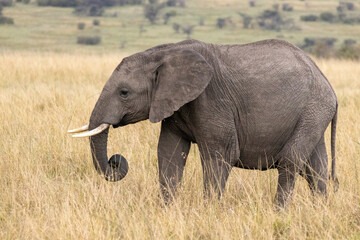
The Mara Triangle’s diverse habitats, from open savanna to marshy areas and woodlands, provide elephants with everything they need. Elephants are essential ecosystem engineers, shaping the landscape by knocking down trees and dispersing seeds.
Your game drives will offer countless opportunities to observe them, whether they’re dusting themselves to cool off, drinking at the Mara River, or peacefully feeding. Encountering these massive, intelligent animals is a core part of the experience of seeking the Big Five in the Mara Triangle, leaving you with a deep sense of respect and awe for their majesty.
Where Elephants Roam
Look for elephants in the Musiara Marsh area, where they love to feed on the lush vegetation. The riverine forests are also a favorite spot, especially during the heat of the day.
Understanding Elephant Herds
Observe the dynamics of the herd. You’ll see mothers, aunts, and sisters all working together to protect the youngest calves. Bachelor herds of young males also roam the plains, often engaging in playful sparring matches.
Pro Tip: Turn off the vehicle’s engine when you’re near a herd. The silence allows you to hear their incredible vocalizations, from deep rumbles to trumpets of excitement, adding a whole new dimension to the sighting.
Finding the Cape Buffalo: The Unpredictable Big Five in the Mara Triangle
Often underestimated, the Cape buffalo is considered by many hunters and guides to be the most dangerous of the Big Five. These powerful bovines, with their formidable bosses (the fused base of their horns), are known for their unpredictable nature and collective defense. Spotting a massive herd of buffalo, sometimes hundreds strong, is a truly impressive sight. Their sheer numbers can turn the plains black as they move together, grazing and keeping a watchful eye for predators. They are a vital part of the Masai Mara animals list and a formidable force on the savanna.
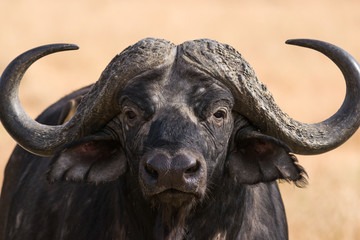
You can find Cape buffalo in almost any habitat within the Mara Triangle, but they are never far from water. They need to drink daily, so check the areas around the Mara River and seasonal waterholes.
Large herds are often found in the open grasslands, while older, solitary males, known as “dagga boys,” prefer to wallow in mud or rest in thickets. These lone bulls are particularly cantankerous and command respect. Witnessing the tension when a lion pride approaches a buffalo herd is a masterclass in wilderness dynamics and a key part of the thrill of searching for the Big Five in the Mara Triangle.
Buffalo Strongholds
The vast grasslands of the Triangle are the best place to find large herds. The Musiara Marsh and the banks of the Mara River are also excellent spots, as buffalo love the water and muddy wallows.
The “Dagga Boys”
Keep an eye out for lone bulls or small groups of old males. Caked in mud (dagga), they are often separated from the main herd and are known for their grumpy dispositions. They make for fantastic, character-filled photo opportunities.
Pro Tip: Watch the herd’s behavior. If they are all staring intently in one direction, it’s a good sign that a predator, likely lions, is nearby. This could be your chance to witness a dramatic standoff.
Planning Your Search for the Big Five in the Mara Triangle
Timing and strategy are everything when planning your Kenya Big Five safari. The Mara Triangle offers fantastic wildlife viewing year-round, but certain times can enhance your chances of specific sightings. The dry season, from late June to October, is generally considered the best time to see the Big Five. During these months, vegetation is sparse, and animals congregate around the Mara River and other permanent water sources, making them easier to find. This period also coincides with the Great Migration, adding millions of wildebeest and zebra to the landscape, which in turn attracts more predators.
However, don’t discount the “green season” from November to May. While the rains can make some tracks challenging, the landscape is lush and beautiful, and you’ll encounter fewer tourists. This is the calving season for many species, meaning you’ll see lots of baby animals. It’s also a fantastic time for birdwatching. Ultimately, the best time to visit depends on your priorities. Regardless of when you go, a well-planned itinerary with an experienced guide is the key to successfully finding the Big Five in the Mara Triangle and experiencing the best sightings in the Mara.
Why is a hippo not part of the Big 5?
Despite being responsible for more human fatalities in Africa than any of the Big Five animals, the hippopotamus was not included in the original list. The “Big Five” term was coined by hunters and referred to the five animals that were the most difficult and dangerous to hunt on foot. Hippos, while aggressive, spend most of their day in the water, which made them a different kind of hunting challenge and thus they were excluded from this specific grouping.
Where can I see the Big Five in Kenya?
While the Masai Mara (and specifically the Mara Triangle) is arguably the best place, other Kenyan parks also offer a chance to see the Big Five. Lake Nakuru National Park is excellent for rhinos, Ol Pejeta Conservancy guarantees rhino sightings, Amboseli is famous for its elephants, and Tsavo and Samburu also host most or all of the Big Five. However, for the highest concentration and best odds of seeing all five in one trip, the Mara remains supreme.
Pro Tip: Book a full-day game drive. This allows your guide to venture further into the Triangle, away from the main entrance gates, to more remote areas where you might have incredible sightings all to yourself.
Other Iconic Wildlife in the Mara Triangle
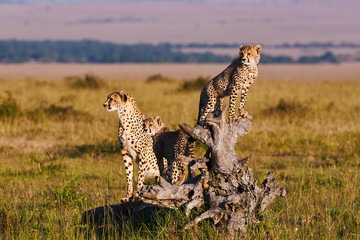
While the quest for the Big Five is a major draw, the animal and wildlife in Masai Mara extends far beyond them. The Triangle is bursting with other incredible creatures that deserve your attention. You will almost certainly see vast herds of plains zebra, topi, and gazelle. The Mara is also one of the best places in the world to see cheetahs. Watching these sleek speedsters scan the plains from a termite mound before launching into a high-speed chase is a breathtaking experience. There are an estimated 30-40 cheetahs in Masai Mara, and guides are experts at finding them.
Don’t forget to look for the scavengers and smaller predators who play a crucial role in the ecosystem. Spotted hyenas, with their complex social structures and powerful jaws, are a common sight. You might also spot graceful giraffes, lumbering hippos in the rivers, and troops of baboons foraging on the ground. For those interested in a more comprehensive list, you can even find a Masai Mara animals list PDF to help you identify the many species you’ll encounter. Broadening your focus beyond the Big Five ensures you appreciate the full, rich tapestry of life in the Mara Triangle.
The “Ugly Five”
For a fun alternative, try spotting the “Ugly Five”: the hyena, wildebeest, vulture, warthog, and marabou stork. They may not be as glamorous, but they are fascinating and vital parts of the ecosystem.
Are there snakes in Masai Mara?
Yes, there are snakes in the Masai Mara, including species like the puff adder, black mamba, and cobra. However, they are generally shy and reclusive, and sightings are very rare. You are extremely unlikely to encounter one on foot, as they typically avoid humans and the vibrations from vehicles.
Pro Tip: Bring a good field guide or download a wildlife app. The Animals of the Masai Mara book or similar guides can help you identify not just the big-name animals but also the dozens of fascinating antelope, bird, and smaller mammal species you’ll see.
Capturing the Moment: Photography on Your Big Five Safari
Photographing the Big Five in the Mara Triangle is a rewarding challenge. The golden light of early morning and late afternoon provides the most dramatic and beautiful illumination for your subjects. This “golden hour” light makes animal coats glow and brings out the rich colors of the landscape. To capture high-quality images, a camera with a good zoom lens is essential. A lens with a focal length of at least 300mm will allow you to get frame-filling shots without disturbing the wildlife. The open nature of the Mara Triangle means you often have clear, unobstructed views, perfect for photography.
Don’t just focus on portraits. Try to capture the animals in their environment to tell a story. An elephant herd kicking up dust against a fiery sunset or a leopard in the branches of a sausage tree creates a much more powerful image than a simple close-up. Remember the rule of thirds and try to capture behavior—a lion yawning, a cheetah on the lookout, or elephants interacting. Most importantly, don’t spend your entire safari behind the lens. Put the camera down from time to time and simply soak in the incredible experience of being in the presence of these magnificent animals.
What is the 12-hour rule for Masai Mara?
The 12-hour rule is a policy some lodges located inside the reserve’s gates have regarding park fees. Instead of the standard 24-hour park entry ticket, your fee may only cover the hours from 6 am to 6 pm. This means if you want to do a night game drive (where permitted) or stay beyond this window, you might incur an extra day’s park fees. It’s crucial to clarify this policy with your chosen lodge or tour operator beforehand to avoid any unexpected costs on your trip.
Camera Settings for Safari
Set your camera to a fast shutter speed (at least 1/1000s) to freeze the action and avoid blur, especially when the vehicle is moving. Use a wide aperture (like f/2.8 or f/4) to create a soft, blurry background that makes your subject pop. A beanbag to rest your lens on the vehicle’s frame can provide excellent stability.
Pro Tip: Charge your batteries every single night and bring a spare. There is nothing worse than having the sighting of a lifetime unfold in front of you only to see your battery light start flashing. Also, bring extra memory cards—you will take more photos than you think!
Answering Your Final Big Five Questions
You’re almost ready for your adventure! Here are answers to a few more common questions to ensure you are fully prepared to find the Big Five in the Mara Triangle. From timing your visit to understanding the local ecosystem, a little extra knowledge goes a long way. Being prepared helps you relax and fully immerse yourself in the magic of the safari experience.
This journey is more than just a vacation; it’s an opportunity to connect with the natural world in a profound way. The sights, sounds, and smells of the African bush will stay with you long after you’ve returned home. Every game drive is a unique chapter in your personal adventure story.
Can you see the Big 5 in Masai Mara?
Absolutely! The Masai Mara, and particularly the Mara Triangle, is one of the most reliable destinations in all of Africa to see the Big Five. Elephants and Cape buffalo are abundant and easily seen. Lions are very common due to the high density of prey. Leopards and black rhinos are more elusive, but the Triangle offers an excellent chance of spotting them, far greater than in many other parks. With a good guide and a bit of luck, seeing all five is a very achievable goal.
What is the best time to see the Big Five?
The best time to see the Big Five is during the dry season, which runs from late June to October. During this period, the grass is short, making animals easier to spot from a distance. More importantly, water becomes scarce, forcing wildlife to congregate around the Mara River and the few remaining waterholes. This concentration of animals makes for predictable and fantastic game viewing, increasing your odds of encountering all members of the Big Five.
What is the Big 9 in Masai Mara?
The “Big 9” is an unofficial extension of the Big Five that adds four more of the Mara’s most iconic and sought-after animals. In addition to the lion, leopard, rhino, elephant, and buffalo, the Big 9 includes the cheetah, giraffe, zebra, and hippopotamus. Spotting all nine of these species is a fantastic achievement and provides a more holistic and rewarding goal for your safari adventure in the Masai Mara.
Pro Tip: Embrace the journey, not just the destination. While the goal might be to see the Big Five, the real magic of a safari lies in the unexpected moments: the sight of a dung beetle rolling its prize, the beauty of a lilac-breasted roller in flight, or sharing stories with your guide under the vast African sky.
Ready for an unforgettable adventure?
Your Tanzania Safari is just a click away for the best safari with affordable packages
Let the experts at Mara Triangle Safaris handle all the details for your safari booking so you can focus on making memories. From thrilling game drives to custom-tailored Kenyan expeditions, we bring your dream trip to life.
Contact Mara Triangle Safaris today to book your next adventure!
Contact
-
Phone Number :
+254 705 635 886
+254 768 212 702
Mail Id :
info@maratrianglesafaris.co.ke
deals@maratrianglesafaris.co.ke