
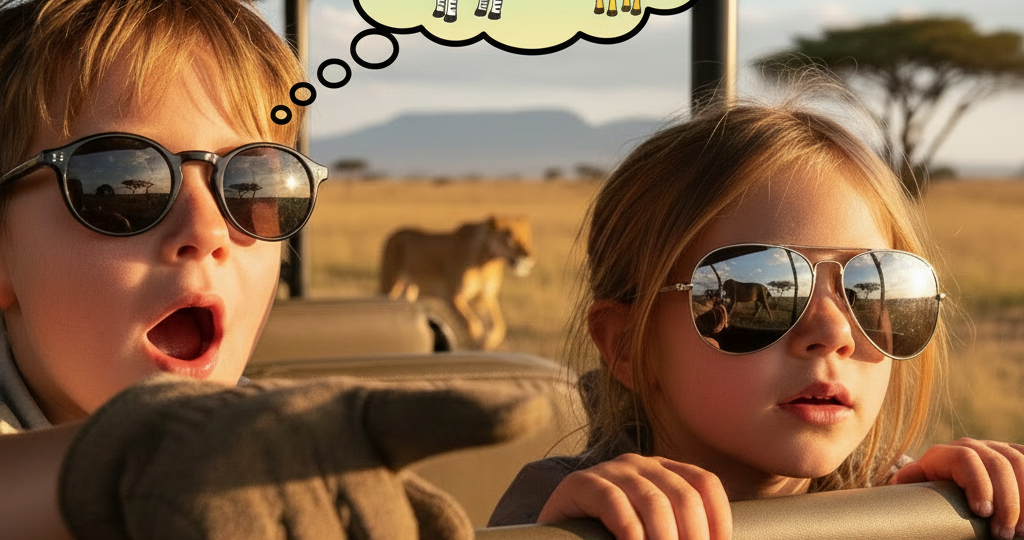
The Ultimate A-Z Safari Animal Guide for Kenya and Tanzania
Planning a safari? Our complete A-Z guide covers every animal you’ll see in Kenya and Tanzania. From aardvark to zebra, with photos, facts, and where to find them.
The Ultimate A-Z Safari Animal Guide for Kenya and Tanzania | Mara Triangle Safaris
Right then. Let’s settle this once and for all.
You’re planning a safari. You’ve got the flights booked. The camps are sorted. The excitement is building.
But there’s one question that keeps popping up.
What animals will I actually see?
Not in a brochure. Not in a documentary. But real life, right in front of you.
Good question. Because Africa isn’t a zoo. Animals don’t show up on schedule. But knowing what’s out there—and where—makes all the difference.
Maybe you’re a parent helping a kid with homework. Maybe you’re a traveler ticking off sightings. Maybe you just love animals and want to know every creature lurking in the bush.
Whatever brought you here, you’ve come to the right place.
We’ve spent decades guiding safaris through Kenya and Tanzania. We know these animals like we know our own families. And we’ve put together the most complete animal guide you’ll find anywhere.
Think of this as your living directory. From aardvark to zebra. From the Big Five to the tiny creatures most people miss. From the animals you’ll definitely see to the ones you’ll be lucky to spot.
Bookmark this page. Print it. Bring it on safari.
Let’s meet the locals. 🦁🦒🐘
maratrianglesafaris.co.ke/tag/african-safari-animals/↗
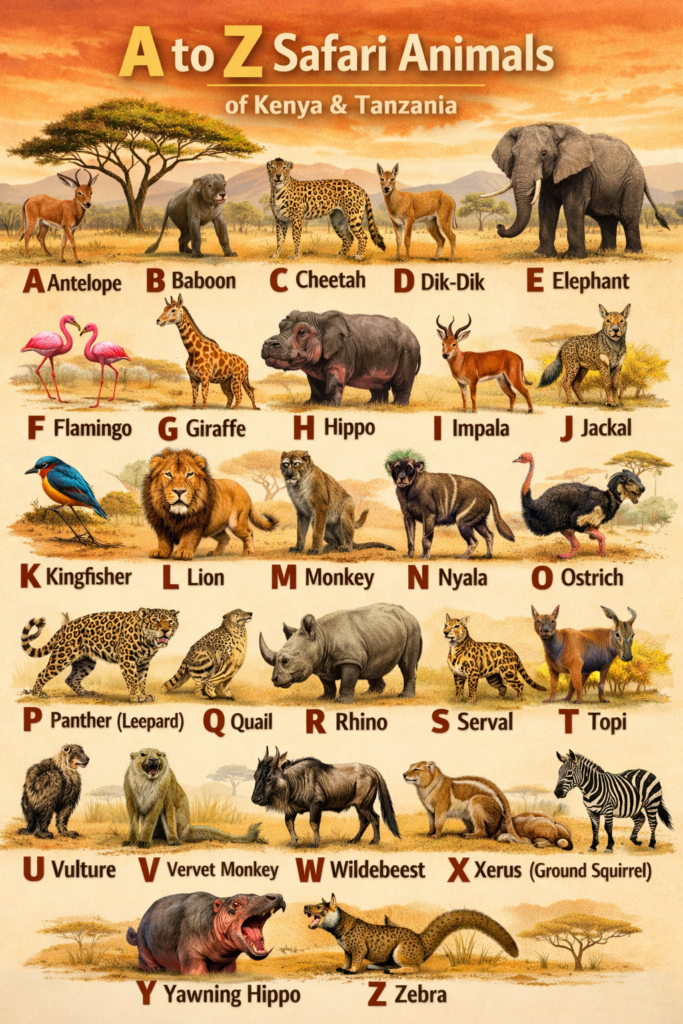
Your Personal Animal in an Animal Name List
A
Aardvark
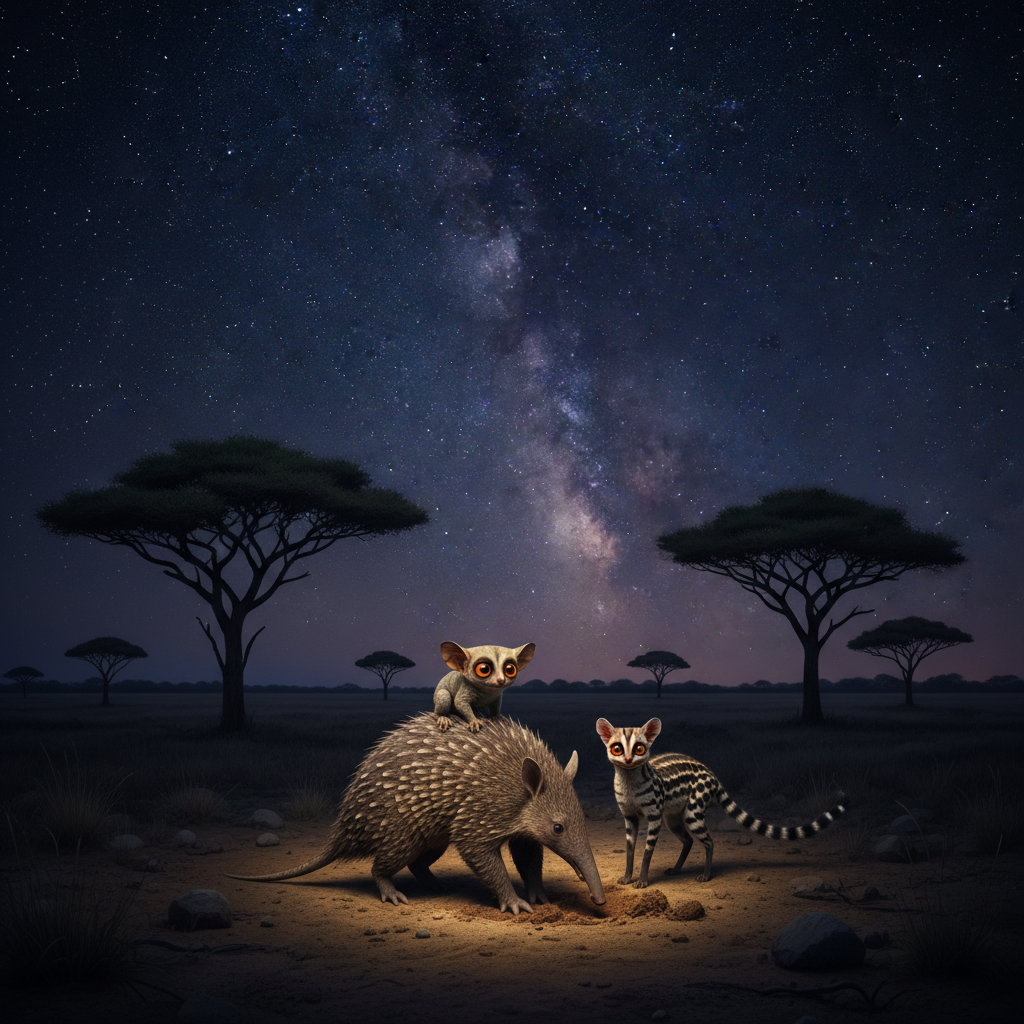
Where to find it: Night drives in the Mara or Amboseli
Fun fact: The aardvark is a solitary, nocturnal creature with a pig-like snout and rabbit-like ears. It uses its powerful claws to dig burrows and tear open termite mounds, lapping up insects with its long, sticky tongue. Seeing one is considered extremely lucky.
Aardwolf
Where to find it: Open grasslands, night drives
Fun fact: Despite looking like a small striped hyena, the aardwolf doesn’t scavenge big kills. It eats termites—up to 300,000 in a single night. Its weak jaws are built for insects, not bone.
African Wild Cat
Where to find it: Grasslands and bushlands, dawn and dusk
Fun fact: Your tabby cat at home? It descended from this guy. African wild cats look similar but are slightly larger and more muscular. They’re solitary and territorial, hunting small rodents and birds.
African Wild Dog (Painted Wolf)
Where to find it: Selous, Ruaha, Laikipia (rare in Mara)
Fun fact: These colourful predators are among Africa’s most endangered carnivores. They hunt in packs with incredible coordination, often succeeding in 80% of their chases—far higher than lions. Their coats are unique to each individual, like fingerprints.
Baboon (Olive)
Where to find it: Everywhere! Mara, Amboseli, Serengeti
Fun fact: Baboons are highly social, living in troops of up to 150 individuals. They have complex hierarchies and even friendships. Watch them groom each other—it’s their version of a coffee date.
Bat-eared Fox
Where to find it: Open grasslands, often at dusk
Fun fact: Those enormous ears aren’t just for show. They help the fox locate insects underground, especially termites and dung beetles. They’re also used to regulate body temperature in the heat.
Buffalo (African)
Where to find it: Mara, Amboseli, Serengeti—everywhere
Fun fact: The African buffalo is responsible for more hunter deaths than any other animal on the continent. They’re fiercely protective of their herd and won’t hesitate to charge. But in a vehicle, you’re safe to admire their sheer power.
Bushbaby (Galago)
Where to find it: Night drives in forests and woodland
Fun fact: These huge-eyed primates are incredibly agile, leaping between trees with ease. Their name comes from the wailing cry of their young, which sounds like a human baby. They mark their territory by urinating on their hands and feet, leaving scent trails as they jump.
Bushbuck
Where to find it: Forested areas near water, shy and elusive
Fun fact: The bushbuck is one of the few antelope where males and females look completely different. Males are darker with spiral horns; females are lighter and hornless. They’re usually solitary and freeze when threatened, relying on camouflage.
Caracal
Where to find it: Dry woodland, night drives
Fun fact: This medium-sized cat with distinctive black ear tufts is an incredible jumper. It can leap three metres into the air to catch birds in flight. The tufts aren’t just decorative—they may help with communication or swatting insects away.
Cheetah
Where to find it: Mara, Serengeti (open plains)
Fun fact: The cheetah is the world’s fastest land animal, reaching speeds of 120 km/h. But it can only sustain this for short bursts—about 20-30 seconds. Unlike other big cats, cheetahs can’t roar; they chirp like birds to communicate.
Civet (African)
Where to find it: Night drives, dense bush
Fun fact: The African civet looks like a cross between a cat and a raccoon. It produces a musky secretion from its perineal glands—once used as a base for expensive perfumes. They’re solitary and omnivorous, eating everything from fruit to small reptiles.
Colobus Monkey (Black-and-White)
Where to find it: Forested areas, often in troops
Fun fact: Colobus monkeys have no thumbs—a adaptation for swinging through trees. Their long, flowing white fur makes them one of the most striking primates in Africa. They’re folivores, meaning they eat mostly leaves, which ferment in their specialised stomachs.
Crocodile (Nile)
Where to find it: Mara River, Talek River, hippo pools
Fun fact: Nile crocodiles can go a year without eating after a big meal. They’ve been around for millions of years, virtually unchanged. During the migration, they lie in wait at river crossings, grabbing wildebeest with explosive speed.
Dik-dik (Kirk’s)
Where to find it: Dry bushland, often in pairs
Fun fact: These tiny antelope stand only 30-40 centimetres tall. They’re monogamous and mate for life. When startled, they make a whistling “dik-dik” sound—hence the name. They mark their territory with tears from a gland near their eyes.
Duiker (Common)
Where to find it: Dense bush, forest edges
Fun fact: The name “duiker” comes from Afrikaans for “diver”—referring to their habit of diving into bushes when threatened. They’re small, shy, and usually solitary. Some species are among the most primitive living antelope.
Eagle (Fish)
Where to find it: Near lakes and rivers
Fun fact: The African fish eagle has a call that’s become the soundtrack of African documentaries—that haunting, far-carrying cry. They snatch fish from the water with their powerful talons, often spotting prey from high in the trees.
Eland (Common)
Where to find it: Open plains, light woodland
Fun fact: The eland is the largest antelope in the world, with males weighing up to 900 kilograms. Despite their size, they’re incredible jumpers—clearing two-metre fences with ease. Both males and females have spiral horns.
Elephant (African Savanna)
Where to find it: Amboseli, Mara, Serengeti
Fun fact: Amboseli is home to the biggest tuskers in Africa—elephants with tusks so long they nearly touch the ground. Elephants mourn their dead, recognise themselves in mirrors, and communicate over kilometres using low-frequency rumbles that travel through the ground.
Flamingo (Lesser and Greater)
Where to find it: Lake Nakuru, Lake Bogoria, Lake Natron
Fun fact: Flamingos get their pink colour from the algae and crustaceans they eat. Lake Natron in Tanzania is their primary breeding ground—the caustic waters protect their nests from predators. Millions can gather in a single lake, creating a sea of pink.
Gazelle (Grant’s)
Where to find it: Open plains, especially Serengeti
Fun fact: Grant’s gazelles are the largest gazelle species. They can go their entire lives without drinking water, getting moisture from the plants they eat. When alerted, they perform a stiff-legged jump called “stotting” to signal fitness to predators.
Gazelle (Thomson’s)
Where to find it: Serengeti, Mara (short grass plains)
Fun fact: “Tommies” are the classic gazelle—small, fast, and incredibly numerous. They’re a favourite prey for cheetahs. Their black side stripe helps break up their outline, confusing predators. They form massive herds during migration.
Genet (Common)
Where to find it: Night drives, woodland and bush
Fun fact: Genets look like a cross between a cat and a mongoose, with a long ringed tail and spotted coat. They’re solitary and nocturnal, hunting rodents and birds. They’re one of the “Secret Seven”—nocturnal animals rarely seen by tourists.
Gerenuk
Where to find it: Samburu, dry northern Kenya
Fun fact: The gerenuk is also called the “giraffe gazelle” because of its incredibly long neck. It stands on its hind legs to reach high branches that other antelopes can’t access. They never need to drink—they get all moisture from leaves.
Giraffe (Masai)
Where to find it: Mara, Amboseli, Serengeti
Fun fact: Masai giraffes have jagged, irregular spots that look like oak leaves. Their tongues are up to 45 centimetres long and dark-coloured to prevent sunburn while reaching for leaves. Despite those long necks, they have the same number of neck vertebrae as humans—seven.
Giraffe (Reticulated)
Where to find it: Samburu, northern Kenya
Fun fact: The reticulated giraffe has the most striking coat—large, polygonal spots separated by bright white lines. It’s like nature’s geometric artwork. They’re found only in northern Kenya, Somalia, and Ethiopia.
Gnu (See Wildebeest)
Hare (Spring)
Where to find it: Open grasslands, often at night
Fun fact: Spring hares aren’t actually hares—they’re more closely related to rodents. They hop like kangaroos on powerful hind legs and can leap three metres in a single bound. They spend the day in burrows and emerge at night to forage.
Hartebeest (Coke’s)
Where to find it: Open plains, light woodland
Fun fact: Hartebeest have oddly shaped horns and a sloping back that makes them look permanently surprised. They’re among the fastest antelopes, reaching speeds of 80 km/h. They form herds but are less common than wildebeest.
Hedgehog (Four-toed)
Where to find it: Night drives, woodland edges
Fun fact: The four-toed hedgehog is the smallest hedgehog species in Africa. When threatened, it rolls into a tight ball, spines pointing out. They’re insectivores, snuffling through leaf litter for beetles and grubs.
Hippopotamus
Where to find it: Mara River, Talek River, hippo pools
Fun fact: Hippos kill more people in Africa than any other large animal. They’re fiercely territorial in water and can charge with surprising speed on land. Despite their size, they can’t swim—they walk or bounce along the river bottom.
Honey Badger (Ratel)
Where to find it: Night drives, various habitats
Fun fact: The honey badger is famous for its fearlessness. It will take on lions, leopards, and even buffalo. Its skin is so thick that bites and stings barely penetrate. They’re also incredibly smart—using tools to escape enclosures.
Hyena (Spotted)
Where to find it: Everywhere—they’re the most common large carnivore
Fun fact: Spotted hyenas are often misunderstood. They’re not just scavengers—they’re skilled hunters, taking down wildebeest and zebra. Females are larger and dominate the clan. Their “laugh” is actually a social communication, not a joke.
Hyena (Striped)
Where to find it: Dry, rocky areas, night drives—rare
Fun fact: Unlike their spotted cousins, striped hyenas are solitary and shy. They have a beautiful striped coat and a mane that runs along their back. They’re strictly nocturnal and much harder to spot. Consider yourself lucky if you do.
Hyrax (Rock)
Where to find it: Rocky outcrops (kopjes) everywhere
Fun fact: The rock hyrax looks like a guinea pig but its closest living relative is… the elephant. Yes, really. They share similarities in foot structure, tooth formation, and testicle location. They sunbathe on rocks in the morning, always watching for eagles.
Impala
Where to find it: Woodland-grassland edges—very common
Fun fact: Impalas are the gazelle’s bigger, more elegant cousin. Males have lyre-shaped horns and are highly territorial. They’re incredible jumpers, clearing three metres high and ten metres long. When alarmed, the whole herd springs in all directions—pure chaos.
Jackal (Black-backed)
Where to find it: Open plains, often near predator kills
Fun fact: Black-backed jackals are monogamous and mate for life. They’re opportunistic omnivores, eating everything from fruit to small antelopes. Their distinctive black saddle makes them easy to identify. They often shadow lions and hyenas, hoping for scraps.
Jackal (Side-striped)
Where to find it: Woodland and bush, less common
Fun fact: The side-striped jackal is shyer and more nocturnal than its black-backed cousin. It has a faint white stripe along its flanks. They’re more omnivorous, eating more fruit and insects. They’re rarely seen by tourists.
Kestrel
Where to find it: Open country, hovering over grasslands
Fun fact: Kestrels are small falcons that hover in mid-air, scanning for insects and small rodents. They’re often seen perched on telephone wires or hovering over the savannah. Several species exist across Kenya and Tanzania.
Kilimanjaro (Not an animal—but you knew that)
Kob
Where to find it: Wetlands and floodplains (rare in Kenya, more common in Tanzania)
Fun fact: Kobs are beautiful antelopes with reddish coats and white markings. Males defend small territories during breeding season. They’re more common in western Tanzania than in Kenya’s main safari circuits.
Kori Bustard
Where to find it: Open grasslands—heaviest flying bird in Africa
Fun fact: The kori bustard is the heaviest flying bird on the continent, weighing up to 18 kilograms. Despite this, it flies well when necessary. Males perform elaborate courtship displays, puffing up their necks and strutting.
Kudu (Greater)
Where to find it: Bushland, especially in northern Tanzania
Fun fact: Greater kudus have magnificent spiral horns that can reach 1.8 metres. They’re shy and usually stay in thick bush, emerging at dawn and dusk. Their camouflage is incredible—they freeze when threatened, blending into the foliage.
Kudu (Lesser)
Where to find it: Dry bushland, Samburu, northern Kenya
Fun fact: The lesser kudu is even shyer than its larger cousin. It has beautiful white vertical stripes on its grey-brown body. They’re masters of hiding, often standing completely still while you drive right past them.
Lechwe
Where to find it: Wetlands and floodplains (not common in Mara)
Fun fact: Lechwe are semi-aquatic antelopes adapted to swampy ground. Their hooves are elongated for walking on mud. Males have magnificent lyre-shaped horns. They’re found in wetter areas like around Lake Victoria.
Leopard
Where to find it: Mara, Samburu, Serengeti—but always elusive
Fun fact: Leopards are the ultimate ghost cats. They’re incredibly strong, hauling prey twice their weight up trees to keep it safe from hyenas and lions. They’re solitary and territorial, with spotted coats that disappear into dappled light.
Lion
Where to find it: Mara, Serengeti—the predator capital of the world
Fun fact: Lions are the only truly social cats, living in prides of up to 30 individuals. Females do most of the hunting, working together to bring down prey. Males protect the territory. Their roar carries up to eight kilometres.
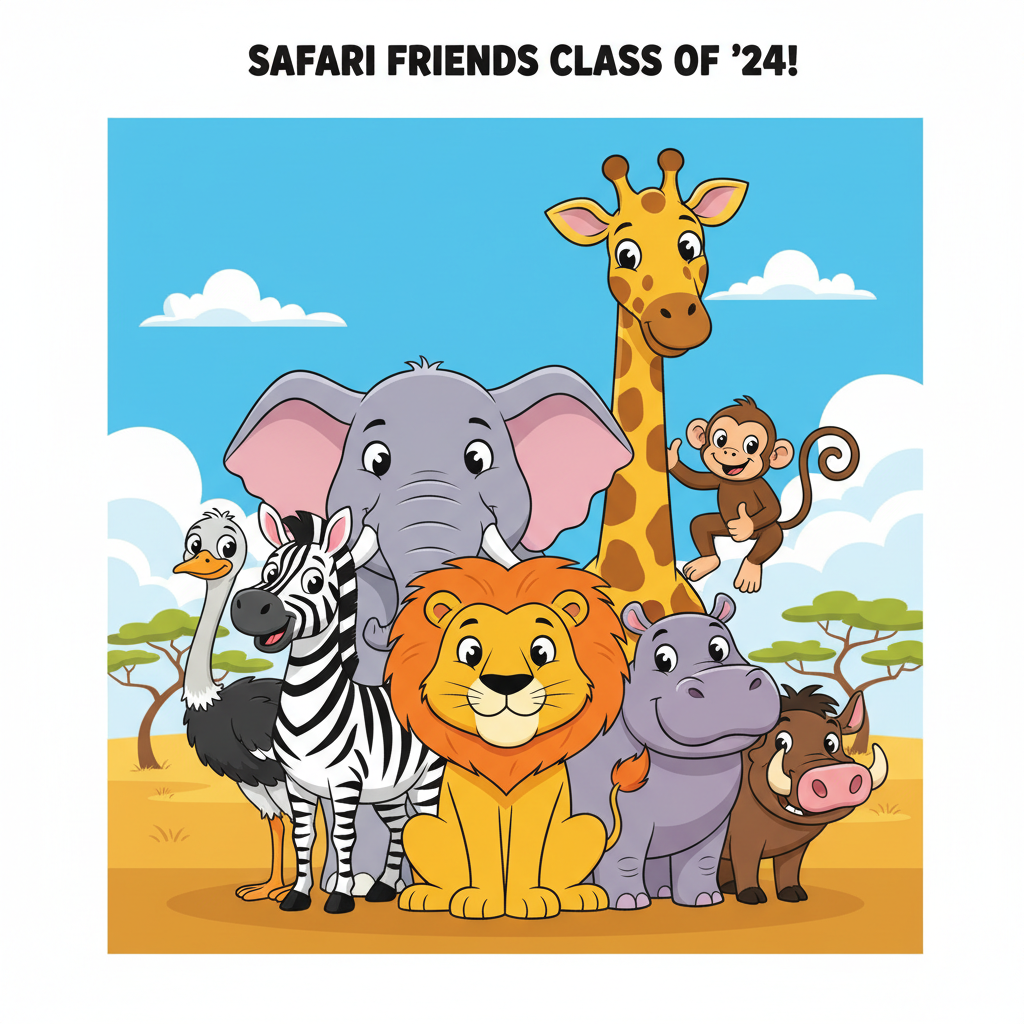
Lilac-breasted Roller
Where to find it: Everywhere—Kenya’s national bird
Fun fact: The lilac-breasted roller is arguably Africa’s most beautiful bird. With its lilac breast, turquoise belly, and multiple shades of blue on its wings, it’s a photographer’s dream. It’s called a roller for its acrobatic mating flight.
Lovebird (Fischer’s)
Where to find it: Northern Tanzania, around Lake Manyara
Fun fact: Fischer’s lovebirds are small, colourful parrots named for their strong pair bonds. They’re often seen in flocks, feeding on grass seeds. They’re native to a small region of northern Tanzania—one of the few places to see them in the wild.
Mongoose (Banded)
Where to find it: Woodland, often near termite mounds
Fun fact: Banded mongooses live in troops of up to 40 individuals. They’re highly social, grooming each other and even babysitting each other’s young. They move through the bush in a group, chattering constantly, often crossing roads in single file.
Mongoose (Dwarf)
Where to find it: Termite mounds, open areas
Fun fact: Dwarf mongooses are Africa’s smallest mongoose. They live in groups of 10-20, with a dominant breeding pair. They’re often seen scurrying between termite mounds, foraging for insects. They’re bold and curious.
Monkey (Blue)
Where to find it: Forested areas, near water
Fun fact: Despite the name, blue monkeys aren’t actually blue. Their fur is a grizzled grey, with a pale blue tinge on their faces. They’re forest dwellers, eating fruit, leaves, and insects. They live in troops with a strict hierarchy.
Monkey (Vervet)
Where to find it: Everywhere—camps, roadsides, forests
Fun fact: Vervet monkeys are the cheeky monkeys you’ll see around lodges. They have black faces with white brow bands. Males have bright blue scrotums—a sign of social status. They have distinct alarm calls for different predators: leopard, eagle, snake, and baboon.
Moorland (Not an animal—but you knew that)
Nyala
Where to find it: Southern Tanzania (not common in Kenya)
Fun fact: Nyala are among the most beautiful antelopes. Males are dark grey with spiral horns and a shaggy mane; females are bright chestnut with white stripes. They’re shy and prefer dense bush. Southern Tanzania is your best bet.
Oryx (Beisa)
Where to find it: Dry northern Kenya, Samburu
Fun fact: The beisa oryx has striking straight horns and a horse-like build. It can raise its body temperature to avoid sweating, conserving water in the arid north. They’re often seen in small herds, standing proudly in the desert landscape.
Ostrich (Masai)
Where to find it: Open plains—the world’s largest bird
Fun fact: Ostriches can’t fly, but they can run at 70 km/h—faster than a lion. Their eggs are the largest of any living animal, weighing up to 1.5 kilograms. Males have black and white plumage; females are brown.
Owl (Verreaux’s Eagle)
Where to find it: Night drives, wooded areas
Fun fact: Verreaux’s eagle owl is Africa’s largest owl, with a wingspan of up to two metres. Its pink eyelids are distinctive. It hunts at night, taking prey as large as small antelopes. Its deep hoot carries across the bush.
Pangolin (Ground and Tree)
Where to find it: Night drives—extremely rare
Fun fact: The pangolin is the holy grail of safari sightings. This scaly, ant-eating mammal is critically endangered and incredibly shy. When threatened, it curls into a tight ball, its scales providing armour. Seeing one is a once-in-a-lifetime event.
Porcupine (Crested)
Where to find it: Night drives, rocky areas
Fun fact: The crested porcupine is Africa’s largest rodent, weighing up to 30 kilograms. Its quills are modified hairs—up to 30 centimetres long. When threatened, it rattles its quills and charges backward. They’re one of the “Secret Seven.”
Python (African Rock)
Where to find it: Near water, sometimes in trees
Fun fact: The African rock python is one of the world’s largest snake species, reaching six metres. It constricts prey—sometimes antelopes—before swallowing whole. They’re often seen crossing roads or draped in trees near rivers.
Reedbuck
Where to find it: Wetlands and grasslands near water
Fun fact: Reedbucks are medium-sized antelopes with a grey-brown coat and a distinctive black patch below the ear. They’re usually found near water and whistle loudly when alarmed. They’re more common in Tanzania than Kenya.
Rhino (Black)
Where to find it: Conservancies, crater—critically endangered
Fun fact: Black rhinos aren’t actually black—they’re grey. The name distinguishes them from white rhinos. They have a hooked upper lip for browsing leaves. They’re critically endangered due to poaching. Seeing one is a privilege.
Rhino (White)
Where to find it: Conservancies, crater—rare but present
Fun fact: White rhinos are larger than black rhinos, with a wide square mouth for grazing grass. The name “white” comes from the Afrikaans “wyd” (wide), referring to their mouth. They’re more social than black rhinos.
Sable Antelope
Where to find it: Southern Tanzania, not common in Kenya
Fun fact: Sable antelopes are among Africa’s most beautiful. Males are jet black with white underparts and magnificent curved horns. They’re fierce fighters—reputedly killing lions that get too close. Southern Tanzania is their stronghold.
Secretary Bird
Where to find it: Open grasslands—long-legged and unmistakable
Fun fact: The secretary bird is a raptor that hunts on foot. It stalks through grass, stomping snakes and rodents to death with its powerful legs. Its name comes from the quill-like feathers behind its head, resembling 18th-century secretaries with pens behind their ears.
Serval Cat
Where to find it: Tall grass near water, dawn and dusk
Fun fact: The serval has the longest legs of any cat relative to its body size. Its enormous ears can detect rodents moving underground. It leaps high and pounces with precision—successful in 50% of hunts, far better than lions.
Steenbok
Where to find it: Open bushland, often solitary
Fun fact: Steenboks are tiny antelopes—only 50 centimetres tall. They’re territorial and usually seen alone or in pairs. When threatened, they dart away in a zigzag, then freeze, relying on camouflage. They’re often mistaken for dik-diks.
Topi
Where to find it: Open plains, especially in the Mara
Fun fact: Topis are muscular antelopes with a purplish-red coat and lyre-shaped horns. Males stand on prominent termite mounds, surveying their territory. They’re among the fastest antelopes, easily outrunning predators.
Tortoise (Leopard)
Where to find it: Grasslands and bush, slow and steady
Fun fact: The leopard tortoise gets its name from its beautiful spotted shell. It’s the second-largest tortoise in Africa. They can live over 100 years. They’re often seen crossing roads—slowly—during the wet season.
Turtle (Green Sea)
Where to find it: Zanzibar coast, nesting beaches
Fun fact: Green sea turtles nest on Zanzibar’s beaches. Females return to the same beach where they were born to lay eggs. They’re endangered but protected in marine reserves. Snorkellers often see them grazing on seagrass.
Vulture (Rüppell’s Griffon)
Where to find it: Wherever there’s a kill
Fun fact: Rüppell’s vultures are the world’s highest-flying birds, reaching 11,000 metres—they’ve been sucked into jet engines. They have incredible eyesight, spotting carcasses from kilometres away. They’re nature’s clean-up crew.
Warthog (Common)
Where to find it: Everywhere—Pumbaa’s real-life cousin
Fun fact: Warthogs kneel to feed, using their tough calloused knee pads. They run with tails straight up—a signal to follow the leader. They’re surprisingly fast and often use aardvark burrows to escape danger, backing in so their tusks face out.
Waterbuck
Where to find it: Near water, common in Mara and Amboseli
Fun fact: Waterbucks have a distinctive white ring on their rump—like a toilet seat. They secrete an oily substance through their skin that makes them smell bad to predators, so lions avoid them unless desperate. Males have impressive spiral horns.
Wildebeest (Blue)
Where to find it: The Great Migration—millions of them
Fun fact: Wildebeest are the stars of the migration. During calving season in the southern Serengeti (March), up to 8,000 calves are born daily. They’re not the smartest animals, but their sheer numbers overwhelm predators.
Zebra (Burchell’s)
Where to find it: Everywhere—the most common zebra
Fun fact: Each zebra’s stripe pattern is unique, like a fingerprint. No two are alike. The stripes may confuse predators by creating optical illusions in motion. Zebras are closely related to horses and donkeys, with distinctive braying calls.
Zebra (Grevy’s)
Where to find it: Samburu, northern Kenya—rare and endangered
Fun fact: Grevy’s zebras are larger than Burchell’s, with narrower stripes and huge rounded ears. They’re named after a French president who received one as a gift. They’re endangered, with most of the world’s population in northern Kenya.
Zorilla
Where to find it: Night drives—looks like a skunk
Fun fact: The zorilla, or striped polecat, is a dead ringer for a skunk—and has the same defence mechanism. It sprays a foul-smelling liquid when threatened. They’re small, nocturnal, and rarely seen. One of the “Secret Seven.”
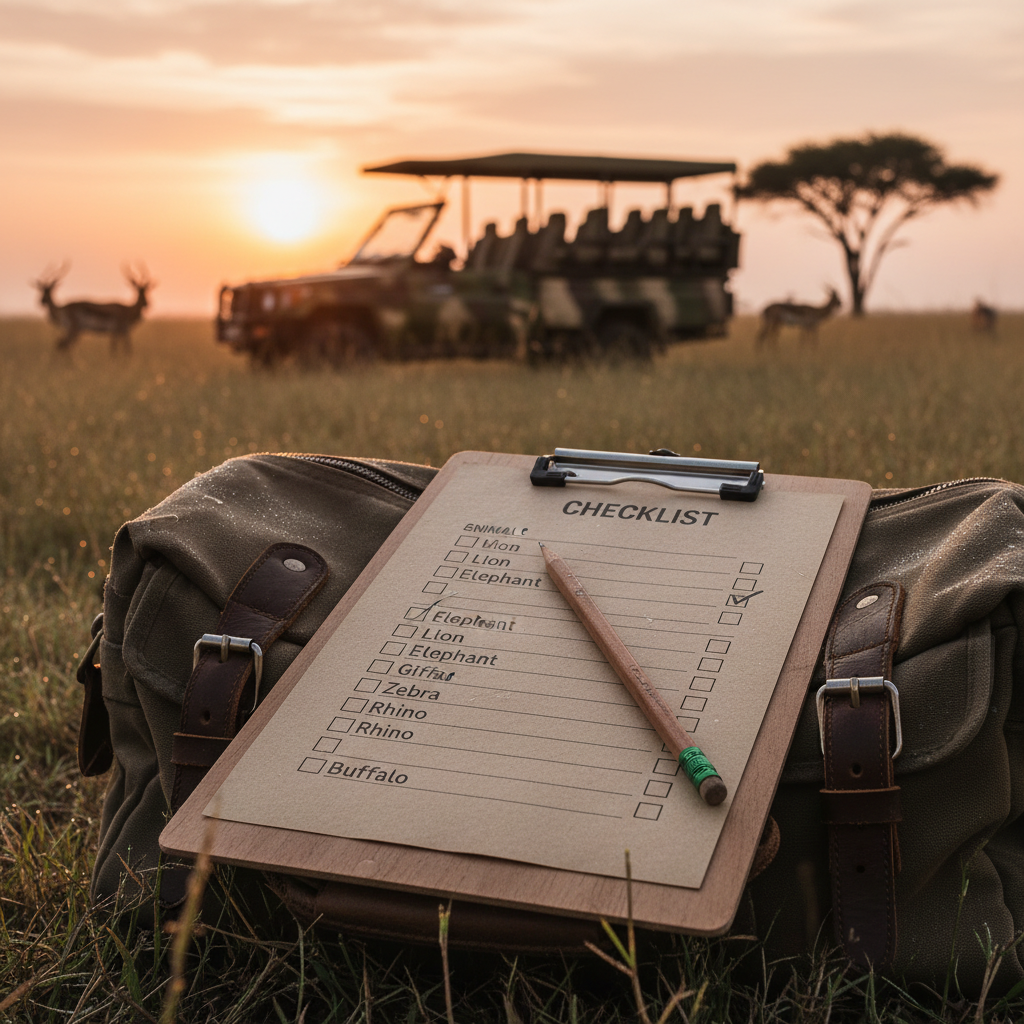
Printable Checklist: Tick Off Your Sightings
Download our free printable PDF checklist – coming soon!
For now, here’s a quick reference:
| Animal | Seen It? | Animal | Seen It? |
|---|---|---|---|
| Aardvark | ☐ | Leopard | ☐ |
| Aardwolf | ☐ | Lion | ☐ |
| African Wild Cat | ☐ | Lilac-breasted Roller | ☐ |
| African Wild Dog | ☐ | Mongoose (Banded) | ☐ |
| Baboon | ☐ | Mongoose (Dwarf) | ☐ |
| Bat-eared Fox | ☐ | Monkey (Blue) | ☐ |
| Buffalo | ☐ | Monkey (Vervet) | ☐ |
| Bushbaby | ☐ | Oryx | ☐ |
| Bushbuck | ☐ | Ostrich | ☐ |
| Caracal | ☐ | Owl | ☐ |
| Cheetah | ☐ | Pangolin | ☐ |
| Civet | ☐ | Porcupine | ☐ |
| Colobus Monkey | ☐ | Python | ☐ |
| Crocodile | ☐ | Rhino (Black) | ☐ |
| Dik-dik | ☐ | Rhino (White) | ☐ |
| Duiker | ☐ | Sable Antelope | ☐ |
| Eagle (Fish) | ☐ | Secretary Bird | ☐ |
| Eland | ☐ | Serval | ☐ |
| Elephant | ☐ | Steenbok | ☐ |
| Flamingo | ☐ | Topi | ☐ |
| Gazelle (Grant’s) | ☐ | Tortoise | ☐ |
| Gazelle (Thomson’s) | ☐ | Turtle (Green Sea) | ☐ |
| Genet | ☐ | Vulture | ☐ |
| Gerenuk | ☐ | Warthog | ☐ |
| Giraffe (Masai) | ☐ | Waterbuck | ☐ |
| Giraffe (Reticulated) | ☐ | Wildebeest | ☐ |
| Hartebeest | ☐ | Zebra (Burchell’s) | ☐ |
| Hippopotamus | ☐ | Zebra (Grevy’s) | ☐ |
| Honey Badger | ☐ | Zorilla | ☐ |
| Hyena (Spotted) | ☐ | ||
| Hyena (Striped) | ☐ | ||
| Hyrax | ☐ | ||
| Impala | ☐ | ||
| Jackal (Black-backed) | ☐ | ||
| Jackal (Side-striped) | ☐ | ||
| Kori Bustard | ☐ | ||
| Kudu (Greater) | ☐ | ||
| Kudu (Lesser) | ☐ |
Where to Find Them: Quick Reference by Destination
| Destination | Best For |
|---|---|
| Masai Mara | Lions, leopards, cheetahs, wildebeest (resident), hippos, crocodiles, topi, zebra, giraffe |
| Amboseli | Elephants (biggest tuskers), buffalo, zebra, wildebeest, lions, hyenas |
| Samburu | Grevy’s zebra, gerenuk, oryx, reticulated giraffe, Somali ostrich, lesser kudu |
| Serengeti (South) | Calving wildebeest (March), cheetahs, lions, hyenas, gazelles |
| Serengeti (Central) | Lions, leopards, elephants, hippos, everything |
| Ngorongoro Crater | Rhinos, lions, elephants, wildebeest, zebra, flamingos (lake) |
| Lake Nakuru | Rhinos, flamingos, waterbuck, baboons |
| Tsavo | Elephants (red elephants!), lions, giraffes |
| Zanzibar | Green sea turtles, dolphins, reef fish |
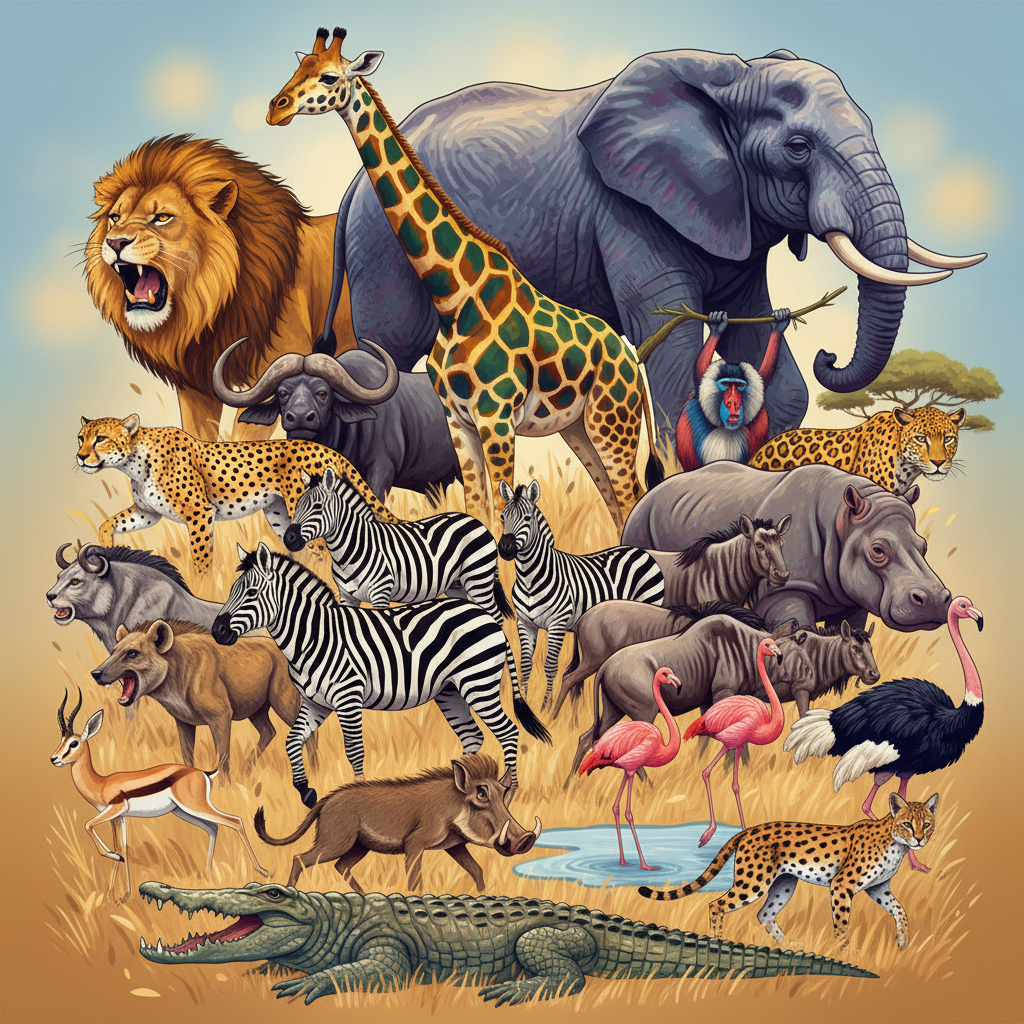
Kids’ Corner: Animal Names Made Easy
Here’s the same guide, simplified for little explorers:
A is for Aardvark – A piggy-nosed digger who loves termites at night.
B is for Buffalo – A huge, grumpy cow with massive horns. Don’t mess with him.
C is for Cheetah – The fastest runner in the world, with tear-stained cheeks.
D is for Dik-dik – A tiny antelope that whistles when scared. It’s named after its own sound!
E is for Elephant – The biggest land animal. They hug with their trunks and love mud baths.
F is for Flamingo – Pink birds that stand on one leg and eat upside down.
G is for Giraffe – The tallest animal, with a super long neck for reaching high leaves.
H is for Hippo – Grumpy river giants that stay cool underwater all day.
I is for Impala – Jumping champions! They leap three metres high when playing tag.
J is for Jackal – A dog-like animal that sneaks around looking for leftovers.
K is for Kudu – A shy antelope with twisty, spirally horns.
L is for Lion – The king of the savannah. Dad has a big mane; Mum does the hunting.
M is for Mongoose – Small, brave hunters that chase snakes and eat eggs.
N is for Nyala – A beautiful antelope with stripes like a zebra.
O is for Ostrich – The biggest bird, with long legs for running fast.
P is for Pangolin – A walking pinecone that rolls into a ball when scared. Super rare!
Q is for… well, there aren’t many Q animals!
R is for Rhino – A tank with a horn. They love mud and are very endangered.
S is for Serval – A spotted cat with giant ears for listening to mice underground.
T is for Topi – A fast antelope that stands on mounds to watch for danger.
U is for… still thinking!
V is for Vulture – The clean-up crew. They eat leftovers so the bush stays tidy.
W is for Warthog – Pumbaa! With warts on his face and a tufty tail.
X is for… Xerus! That’s a ground squirrel. See? We found one!
Y is for… yellow baboon? Close enough.
Z is for Zebra – A horse in pyjamas with stripes as unique as your fingerprint.
Frequently Asked Questions
What is the Big Five?
The Big Five were originally trophy hunters’ terms for the hardest animals to hunt on foot: lion, leopard, elephant, buffalo, and rhino. Today, they’re the most sought-after sightings for safari-goers. Each one is impressive for different reasons.
Where can I find an animal in an animal name list for kids?
Right here! Our Kids’ Corner section above is designed specifically for children. Simple names, fun facts, and a friendly tone. Perfect for little explorers.
What’s the rarest animal on this list to spot on safari?
The pangolin takes the crown. Also extremely rare: aardvark, striped hyena, African wild dog, and caracal. We’ve marked these throughout the guide. If you see any, you’re having a truly special safari.
Do I need a checklist for safari animals?
Absolutely! We recommend printing our checklist above and ticking off animals as you see them. It adds a fun game element to game drives and helps you remember everything at the end. Plus, it’s a great souvenir.
What animals will I definitely see in the Masai Mara?
Zebra, wildebeest, giraffe, impala, buffalo, elephants, hippos, crocodiles, and lions are almost guaranteed. With a good guide, leopards, cheetahs, and hyenas are very likely.
Are there tigers in Africa?
No. Tigers are native to Asia, not Africa. The big cats here are lions, leopards, cheetahs, and smaller cats like servals and caracals.
What’s the most dangerous animal in Africa?
Statistically, the hippo kills more people than any other large animal. They’re fiercely territorial in water. But follow your guide’s instructions, stay in the vehicle, and you’re perfectly safe.
Can I see all the animals on this list in one trip?
No—and that’s okay! A single safari typically covers 1-2 parks. You might see 40-50 species. The rare ones take multiple trips. That’s why people come back again and again.
What’s the best time of year for animal viewing?
Year-round is good, but dry seasons (July-October, January-February) concentrate animals around water. March offers calving in the Serengeti and green landscapes with fewer crowds.
Is there a printable version of this animal name list?
We’re working on a downloadable PDF checklist. For now, bookmark this page on your phone and screenshot the checklist section. It’ll be your go-to reference on safari.
Ready to See Them in Person?
You’ve read the guide. You’ve studied the list. You know what you’re looking for.
Now it’s time to actually go.
Here’s what we need from you:
Tell us what you’re dreaming of. Which animals are at the top of your list? How many days do you have? What’s your rough budget?
We’ll take that and build you a safari that puts you in front of the wildlife you came to see. With guides who know exactly where to look.
Because that’s what we do at Mara Triangle Safaris. We’re not just booking agents. We’re locals. We’re guides. We’re the people who grew up knowing these animals like neighbours.
Let’s make your list a reality.
Let’s Start Planning
The easiest way to start? Head over to our contact page.
Drop us an email at info@maratrianglesafaris.co.ke with your questions. Or give the team a call:
+254 705 635 886
+254 768 212 702
We’re here Monday through Saturday, 8:30 am to 5:00 pm East Africa time. Email works anytime—we’ll get back within 24 hours.
Tell us what you’re thinking. We’ll give you straight answers, honest advice, and a safari worth every penny.