
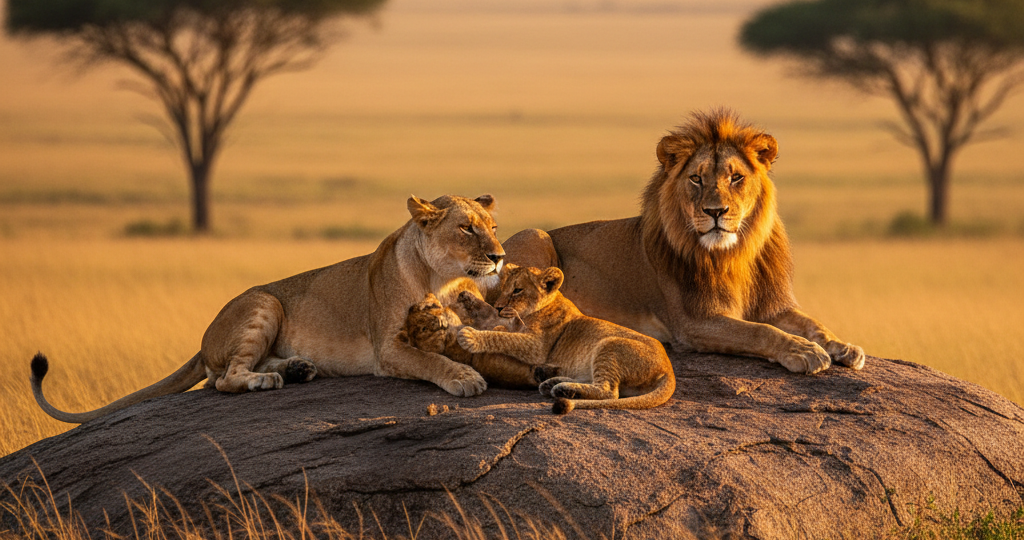
How to See Africa’s Most Iconic Animal Families on Safari: A Practical Guide
Lion cubs, elephant calves, wild dog pups—here’s exactly where and when to see them on safari. Plan your trip to witness Africa’s greatest family dramas.
How to See Lion Cubs, Elephant Calves & Wild Dog Pups on Safari | Mara Triangle Safaris
Here’s the thing.
Seeing a lion is incredible. No doubt.
But watching a lion cub take its first wobbly steps while its mum looks on with that patient, watchful gaze? That’s something else entirely.
It’s the difference between ticking a box and having a moment that stays with you forever.
Africa’s animal families are the real stars of the savannah. The matriarch elephants guiding their calves to water. The wild dog packs raising a litter of pups together. The zebra foals that hit the ground running—literally—within minutes of being born.
You’ve read the animal lists. You know what’s out there. Now let’s talk about how to actually see them in their most magical form: as families.
This guide is your practical playbook. Where to go. When to go. Which camps put you closest to the action. All the insider stuff we’ve learned from decades of guiding safaris through Kenya and Tanzania.
No fluff. Just the straight goods.
Let’s get you in front of the cutest, most heart‑warming scenes the bush has to offer. 🦁🐘
Quick Reference: Where & When to See Africa’s Animal Families
| Animal | Best Place | Best Season | Likelihood of Seeing Young |
|---|---|---|---|
| Lion | Maasai Mara, Serengeti | Year‑round, peak Dec–Mar | ★★★★☆ (Very Likely) |
| Elephant | Amboseli, Mara, Serengeti | Year‑round | ★★★★★ (Almost Certain) |
| Wild Dog | Laikipia, Selous, Ruaha | June–Sept (pups above ground) | ★★★☆☆ (Possible with effort) |
| Spotted Hyena | Mara, Serengeti, Ngorongoro | Year‑round, dens in dry season | ★★★★☆ (Likely) |
| Giraffe | Mara, Amboseli, Serengeti | Year‑round | ★★★★☆ (Likely) |
| Baboon | Everywhere | Year‑round | ★★★★★ (Almost Certain) |
| Zebra | Mara, Serengeti, Amboseli | Year‑round, calving peak Dec–Mar | ★★★★★ (Almost Certain) |
| Wildebeest | Serengeti (south) | March (calving) | ★★★★★ (Millions of newborns) |
| Hippo | Mara River, hippo pools | Year‑round | ★★★★☆ (Likely – babies seen often) |
The calendar matters.
If seeing newborns is your priority, March in the southern Serengeti (wildebeest calving) and
December‑February in many parks (general calving season) are your golden windows.
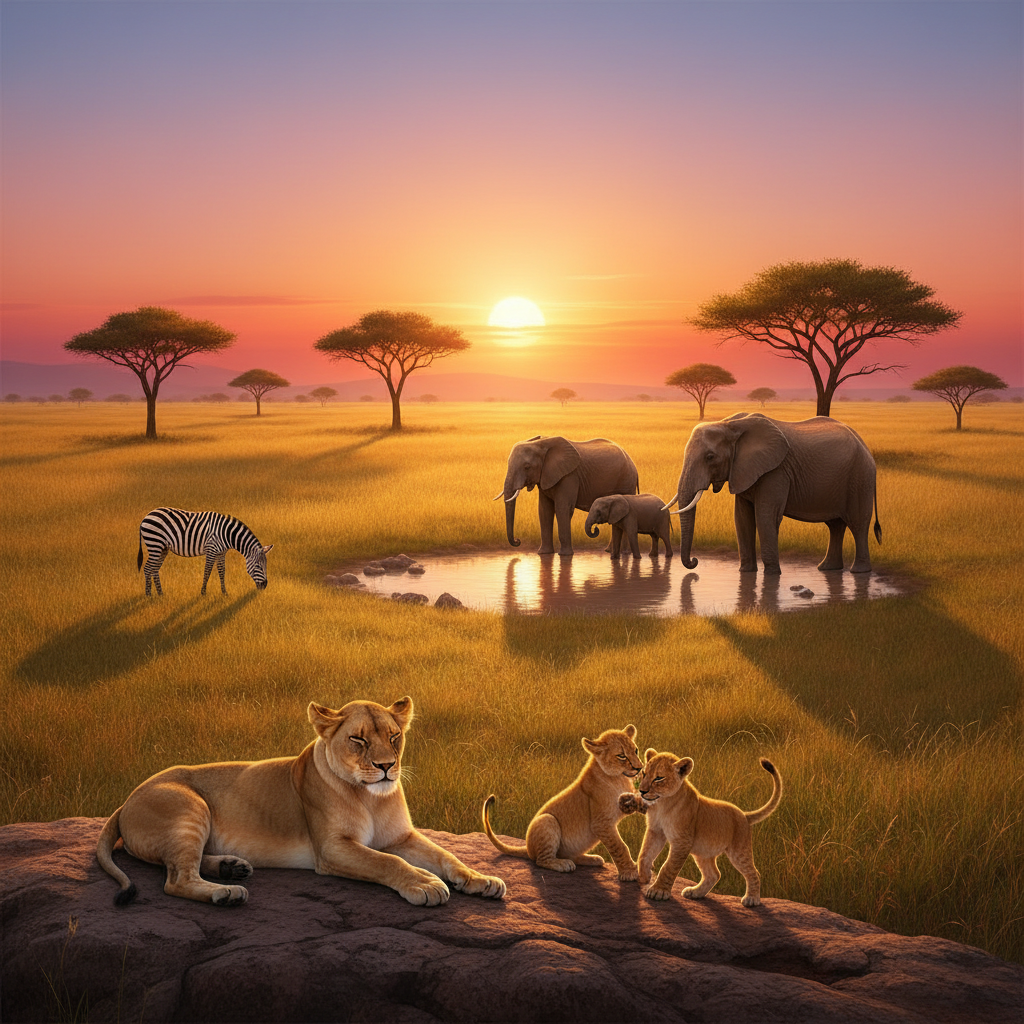
Lion Prides: Where to Watch Cub Drama Unfold
Lions are the ultimate soap opera. Within a pride, there’s alliances, betrayals, and the constant struggle to keep cubs alive.
Where to go: The Maasai Mara and Serengeti have the highest lion densities in Africa. In the Mara, the Mara Triangle and private conservancies like Olare Motorogi offer exceptional sightings with fewer vehicles.
When to go: Lions breed year‑round, so cubs can appear any month. But the peak period for seeing tiny, wobbly cubs is during and just after the wet season (December–March), when prey is abundant and conditions are good for denning.
What to look for: Lionesses will hide newborn cubs in dense thickets or rocky outcrops for the first six weeks. Your guide will know where recent dens have been. Once they emerge, you’ll see them tumbling over each other, swatting at mum’s tail, and practicing stalk-and-pounce on anything that moves.
Why it matters: Cub mortality is high—up to 60% in the first year. Watching a lioness fiercely protect her litter, or a coalition of males take over a pride and kill existing cubs, is raw, emotional nature.
Ask your guide to check known “denning areas” like the Kopjes (rocky outcrops) in the Mara.
Lions often stash cubs there.
Patience pays off wait quietly and the cubs will eventually emerge to play.
Elephant Herds: The Matriarchs and Their Calves
Elephant families are the heart of the savannah. They’re also the easiest to observe because they’re almost always on the move.
Where to go: Amboseli National Park is the undisputed king of elephant viewing. The herds are habituated, the tuskers are massive, and the backdrop of Kilimanjaro is world‑class. In the Mara and Serengeti, elephants are also common, but in smaller family groups.
When to go: Year‑round. Elephants breed slowly—a 22‑month gestation—so calves are born any time. But the green season (March–May) offers lush vegetation and often more playful babies.
What to look for: The matriarch leads. Watch her interactions with the young—she’ll use her trunk to nudge, discipline, and comfort. Newborn calves are tiny (about 90 kg) and incredibly fuzzy. They’re often clumsy, slipping in mud or getting stuck in ruts while the herd patiently waits.
Why it matters: Elephants are highly intelligent and emotional. Seeing a calf play under the watchful eye of its grandmother, or a whole herd circle a newborn to protect it, is humbling.
In Amboseli, ask your guide to take you to the swamps early morning.
The elephants come to drink and bathe, and calves are often splashing and playing.
The light is golden, and Kilimanjaro is often clear.
Wild Dog Packs: The Ultimate Cooperative Family
African wild dogs (painted wolves) are the most efficient hunters on the savannah. But their family life is what really sets them apart.
Where to go: Wild dogs are rare, but their strongholds in Kenya are Laikipia (Ol Pejeta, Loisaba) and the Mara’s private conservancies. In Tanzania, look to Selous and Ruaha. They’re not guaranteed anywhere, so having a guide who tracks them is essential.
When to go: Wild dogs den from April to September. Pups are born underground and emerge after about three weeks. The best viewing is June–August, when pups are above ground but still dependent on the pack for food.
What to look for: The entire pack—sometimes 20 individuals—cooperates to hunt and bring back food for the pups. Adults will regurgitate meat for the young, and a “baby‑sitter” stays at the den while others hunt. Pups are adorably clumsy and playful.
Why it matters: Wild dog packs are among the most social animal families in Africa. Their cooperation, care for the sick, and intricate pack dynamics make them a bucket‑list sighting.
If you’re in Laikipia or a Mara conservancy, ask your guide if any packs are denning.
Be prepared for long waits
but when the pups emerge, it’s pure magic.
Hyena Clans: The Misunderstood Matriarchy
Spotted hyenas get a bad rap. But their social structure is one of the most complex in the animal kingdom, and watching a clan raise cubs is fascinating.
Where to go: Hyenas are everywhere, but the densest populations are in the Mara, Serengeti, and Ngorongoro Crater. In the crater, you can often spot dens with multiple cubs.
When to go: Year‑round. Cubs are born throughout the year. The best den sightings are during the dry season (June–October) when dens are more visible.
What to look for: Hyena clans are matriarchal. The highest‑ranking female’s cubs inherit her status. Cubs are born with their eyes open and teeth already erupted—they’re fierce from day one. They often spar with each other to establish hierarchy.
Why it matters: Watching a cub submit to an older sibling, or a mother fiercely defend her litter from a male, gives you a new appreciation for these intelligent, misunderstood animals.
In Ngorongoro Crater, ask your guide to visit the known hyena dens.
The cubs are often active during the day and provide endless entertainment.
Giraffe Nurseries: The Crèche System
Giraffes don’t have tight family groups, but they do have a clever system: crèches. Several mothers will leave their calves together with a single “babysitter” while they go off to feed.
Where to go: The Mara, Serengeti, and Amboseli all have healthy giraffe populations. In the Mara, look for them in the open plains; in Amboseli, they’re often silhouetted against Kilimanjaro.
When to go: Year‑round. Calves can be born any time. The green season (March–May) often brings more playful youngsters.
What to look for: A crèche of four or five calves, all under the watchful eye of one adult female. They’ll chase each other, practice neck‑swinging, and sometimes just stand there looking impossibly elegant.
Why it matters: Giraffes are often overlooked, but their social strategies are clever. The crèche system allows mothers to feed without worrying about their young.
In Amboseli, early mornings and late afternoons
give you the best light for photographing
giraffe families against the mountain.
Baboon Troops: Life in the Troop
Baboons are everywhere, and their troops are like a bustling village. You could watch them for hours and still miss half the drama.
Where to go: Literally everywhere. Near rivers, in woodland, around camps. The Mara, Amboseli, and Serengeti all have massive troops.
When to go: Year‑round. Babies are born throughout the year, but there’s often a peak after the rains when food is abundant.
What to look for: Troop dynamics are complex. Dominant males, females with infants, and juveniles playing. You’ll see grooming sessions—their version of social bonding. Infants cling to their mothers’ bellies, then ride on their backs as they grow.
Why it matters: Baboon families are the most accessible to watch. They’re also the most like our own—they have friendships, feuds, and favourites.
Never feed baboons.
It makes them aggressive and habituated to human food.
But find a safe spot near a troop and just watch.
You’ll see soap‑opera level drama.
Zebra & Wildebeest Herds: The Mass Calving
When it comes to sheer numbers, nothing beats the wildebeest and zebra. Their calving season is nature’s biggest baby shower.
Where to go: For wildebeest calving, the southern Serengeti (Ndutu area) in March. For zebra, they calve year‑round, but the Mara and Serengeti have resident herds with plenty of foals.
When to go: March is the prime month for wildebeest calving. In the Mara, zebra foals appear throughout the year but peak in the wet season.
What to look for: Wildebeest calves can stand within minutes and run within hours. Zebra foals are born with their stripes already clearly defined. Both species rely on “synchronised” calving—thousands of births over a short period to overwhelm predators.
Why it matters: The sheer scale is mind‑blowing. You’ll see newborns wobbling, mothers licking them clean, and predators lurking nearby. It’s life and death on an epic scale.
If you want to see wildebeest calving,
book your Serengeti safari for March.
Don’t wait camps near Ndutu fill up early.
We can help you secure a spot.
Safari Planning for Animal Families: What to Consider
Now you know where and when. Here’s how to turn that knowledge into an actual safari.
Choose the right camps. Camps in private conservancies (like Mara North or Ol Pejeta) often have access to off‑road driving, which means you can follow a lioness to her den. In national parks, you’re restricted to roads.
Go with experienced guides. A guide who knows individual animals—like a lioness who consistently dens in a certain spot—is invaluable. Our guides have decades of experience.
Be patient. Animal families don’t perform on cue. You might wait an hour for cubs to emerge. That’s when the magic happens.
Plan for the season. March for wildebeest calving. December‑February for general newborns. June‑August for wild dog pups. Tailor your timing to what you want to see.
Consider a longer stay. Spending 4–5 nights in one area gives you a much better chance of witnessing family moments than a whirlwind tour.
If you’re travelling with kids, this is the ultimate family safari.
Your children will connect with animal families in a way that books and TV can’t match.
Frequently Asked Questions
When is the best time to see lion cubs?
Lions breed year‑round, but the best months are December through March. The wet season brings abundant prey, so cub survival is higher, and the longer grass provides good denning cover.
Where can I see elephant calves in Kenya?
Amboseli is the number one spot. The elephants there are habituated, and you’ll almost always see calves in the herds. The Mara and Tsavo also have good populations.
Can I see wild dog pups on safari?
Yes, but you need to be in the right place. Laikipia (Ol Pejeta, Loisaba) and the Mara’s private conservancies are your best bets. June–August is when pups are above ground.
What’s the best time for wildebeest calving?
March in the southern Serengeti (Ndutu area). This is when hundreds of thousands of calves are born over a few weeks. It’s predator paradise.
Are night drives good for seeing animal families?
Yes—especially for hyena dens, genet families, and sometimes leopard mothers with cubs. But for lions, elephants, and most antelopes, daytime drives are better.
How can I guarantee seeing baby animals?
You can’t guarantee anything in the wild. But choosing the right season (calving time) and the right parks (Amboseli for elephants, Mara for lions, Serengeti for wildebeest) gives you the best odds.
What should I pack for a family‑focused safari?
Binoculars, a good camera with zoom, patience, and for kids: a journal, a simple animal checklist, and maybe a pair of kid‑friendly binoculars. Long sleeves and hats for sun protection.
Ready to Meet Africa’s Most Famous Families?
You’ve read the guide. You know where the cubs are, when the calves drop, and which guides can take you to the dens.
Now it’s time to go.
Here’s what we need from you:
Tell us what animal family you’re most excited to see. How many days you have. Whether you’re travelling with kids. Your rough budget.
We’ll build you a safari that puts you in the right place at the right time—with guides who know every den, every crèche, every matriarch.
Because that’s what we do at Mara Triangle Safaris. We don’t just take you on game drives. We take you into the lives of Africa’s most remarkable families.
Let’s make those memories.
Let’s Start Planning
The easiest way to start? Head over to our contact page.
Drop us an email at info@maratrianglesafaris.co.ke with your questions. Or give the team a call:
+254 705 635 886
+254 768 212 702
We’re here Monday through Saturday, 8:30 am to 5:00 pm East Africa time. Email works anytime—we’ll get back within 24 hours.
Tell us what you’re after. We’ll give you straight answers, honest advice, and a safari that’s worth every penny.
More Reading from Mara Triangle Safaris
| Article | What You’ll Find |
|---|---|
| The Ultimate A‑Z Safari Animal Guide | 100+ animals from aardvark to zebra. Photos, facts, and a printable checklist. |
| Nocturnal Safari Animals: The Secret World of Africa’s Night Shift | Discover the creatures that come alive after dark and how to see them. |
| Beyond the Savanna: The Weirdest, Coolest Animals Hiding in East Africa’s Mountains, Forests, and Deserts | Explore the bizarre species that don’t live on the open plains. |
| How to Spot Rare Animals on a Kenyan Safari | Your guide to pangolins, aardvarks, wild dogs, and other elusive creatures. |