
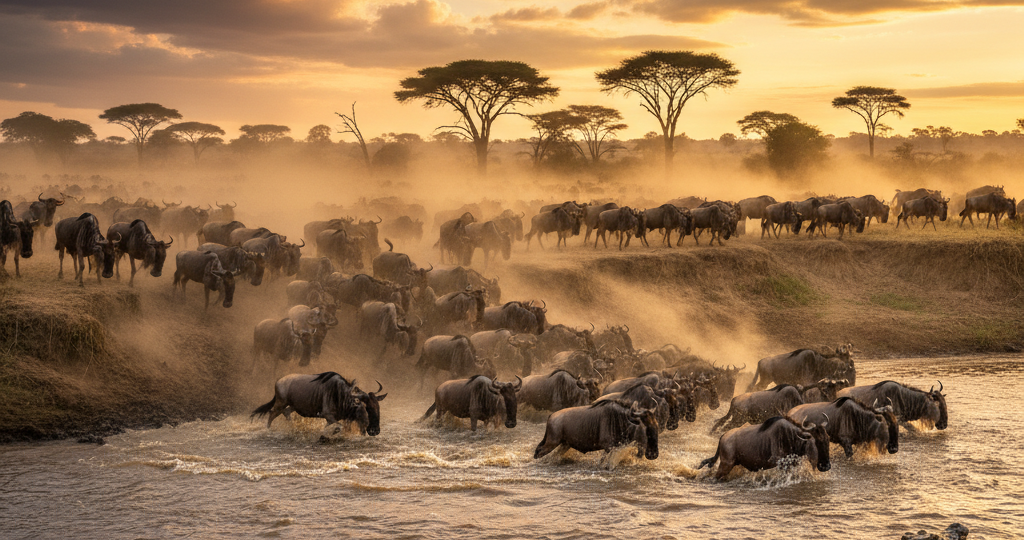
Is a Maasai Mara Safari Worth It? (2026 Honest Guide + Costs, Pros & Cons)
Is the Maasai Mara worth your money and time? We break down costs, pros, cons, and what you’ll actually see. Read before you book your 2026 safari.
Is a Maasai Mara Safari Worth It? 2026 Honest Guide + Costs | Mara Triangle Safaris
Key Takeaways
- Yes—a Maasai Mara safari is absolutely worth it for most travelers. It offers world‑class wildlife viewing, the Great Migration, and a classic African safari experience.
- Costs vary widely: budget safaris from $150–$300 per day, mid‑range $300–$600, luxury $600–$1,500+.
- The Great Migration (July–October) is the most spectacular time, but also the most crowded and expensive.
- Choose the Mara Triangle for fewer crowds and better game viewing during peak season.
- Plan ahead: book early for peak season, travel in low season to save money, and always use a reputable operator.
Right then. You’re thinking about the Maasai Mara.
You’ve seen the photos. The golden grasslands. The lions lazing under acacia trees. The wildebeest crossing rivers with crocodiles lurking.
But you’re also wondering: Is it actually worth it? The money. The travel time. The hype.
Fair question. We’ve been guiding safaris here for decades. We’ve seen the Mara through the eyes of first‑timers, honeymooners, photographers, and seasoned safari‑goers. And we can tell you this:
For most people, it’s absolutely worth it.
But like any major travel experience, it’s not perfect for everyone. Your budget, your expectations, and your travel style all play a role.
This guide gives you a complete, honest breakdown—no fluff, no sugar‑coating—so you can decide if the Mara is right for you, and how to make the most of it if you go.
Let’s get into it. 🦁
Quick Answer: Is a Maasai Mara Safari Worth It?
Yes a Maasai Mara safari is absolutely worth it for most travelers, especially first-time visitors to Africa and wildlife lovers.
You’ll experience:
- The Big Five in their natural habitat
- One of the world’s highest wildlife densities
- The Great Migration, often called the greatest wildlife show on Earth
👉 However, your experience depends heavily on when you visit, your budget, and the safari operator you choose.
This guide helps you decide and plan the perfect trip if you go.
The Maasai Mara is not a “one‑size‑fits‑all” destination.
Your experience depends entirely on when you go,
where you stay, and who guides you.
Choose wisely.
What Makes the Maasai Mara So Special?
To understand why the Maasai Mara is so popular, it helps to look at the numbers:
1. One of the Best Wildlife Destinations on Earth
It is part of the larger Serengeti–Mara ecosystem, which spans Kenya and Tanzania
👉 This allows wildlife to move freely across borders
The Maasai Mara covers about 1,510 square kilometers
The Mara is known for:
- High concentration of animals – you don’t need luck; you will see wildlife.
- Open savannah landscapes – easy to spot animals, no dense forests hiding them.
- Year‑round game viewing – animals don’t “disappear” outside migration season.
Unlike other parks where you search for hours, here you’ll often see animals within minutes of entering the gate.
2. The Big Five—In One Place
You can realistically see all of the Big Five in a few days:
| Animal | Likelihood |
|---|---|
| Lion | ★★★★★ (Almost certain) |
| Leopard | ★★★★☆ (Likely with a good guide) |
| Elephant | ★★★★★ (Almost certain) |
| Rhino | ★★★☆☆ (Possible—more common in conservancies) |
| Buffalo | ★★★★★ (Almost certain) |
3. The Great Migration (A World Wonder)
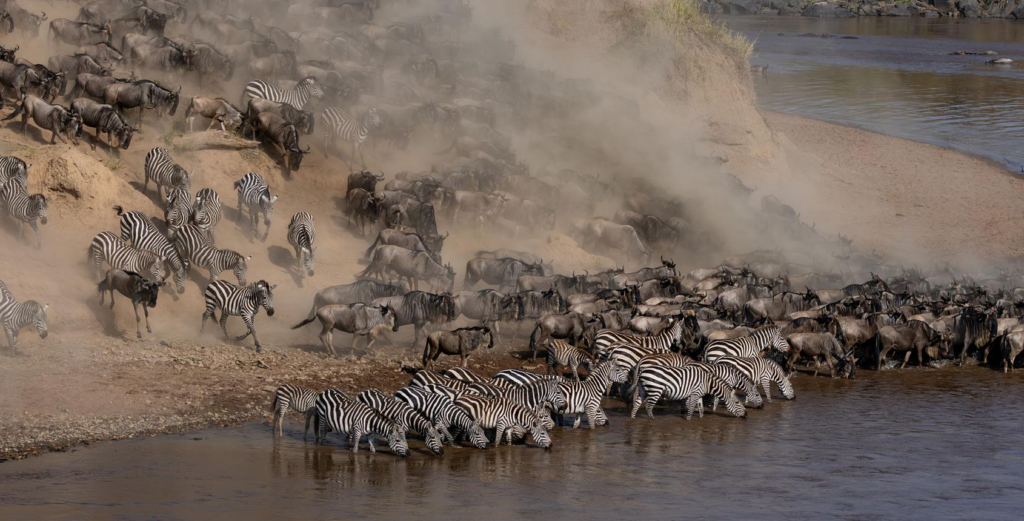
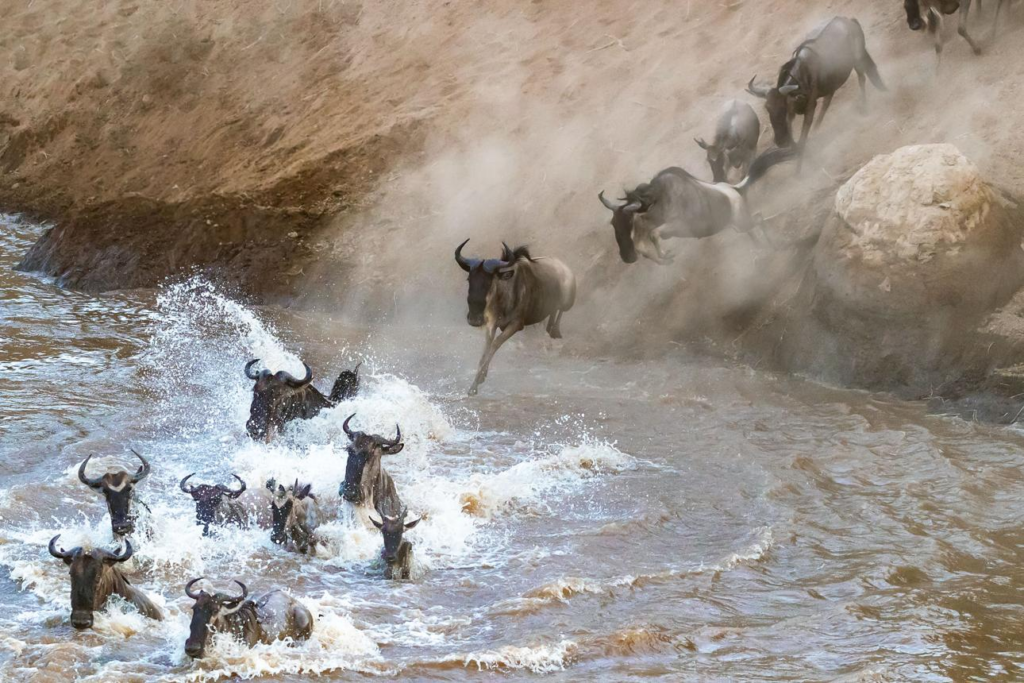
Every year (roughly July–October), over 1.5 million wildebeest, 200,000 zebra, and 300,000 Thomson’s gazelle move through the Mara.
You may witness:
- River crossings – wildebeest plunging into crocodile‑infested waters
- Predator attacks – lions and crocodiles taking advantage of the chaos
- Massive herds – stretching across the plains as far as you can see
It’s often called “the greatest wildlife show on Earth.”
4. Classic African Safari Experience
If you’ve seen documentaries or movies about Africa… this is that landscape.
- Golden grasslands
- Acacia trees
- Endless horizons
- Red‑clad Maasai herders
It’s the Africa you’ve been dreaming of.
The Great Migration happens in the Mara between July and October,
but resident wildlife is excellent year‑round.
You don’t need to come during peak season to have an incredible experience.
Pros of a Maasai Mara Safari
Exceptional Wildlife Viewing (Even for Beginners)
One of the biggest advantages: you don’t need luck—you will see animals.
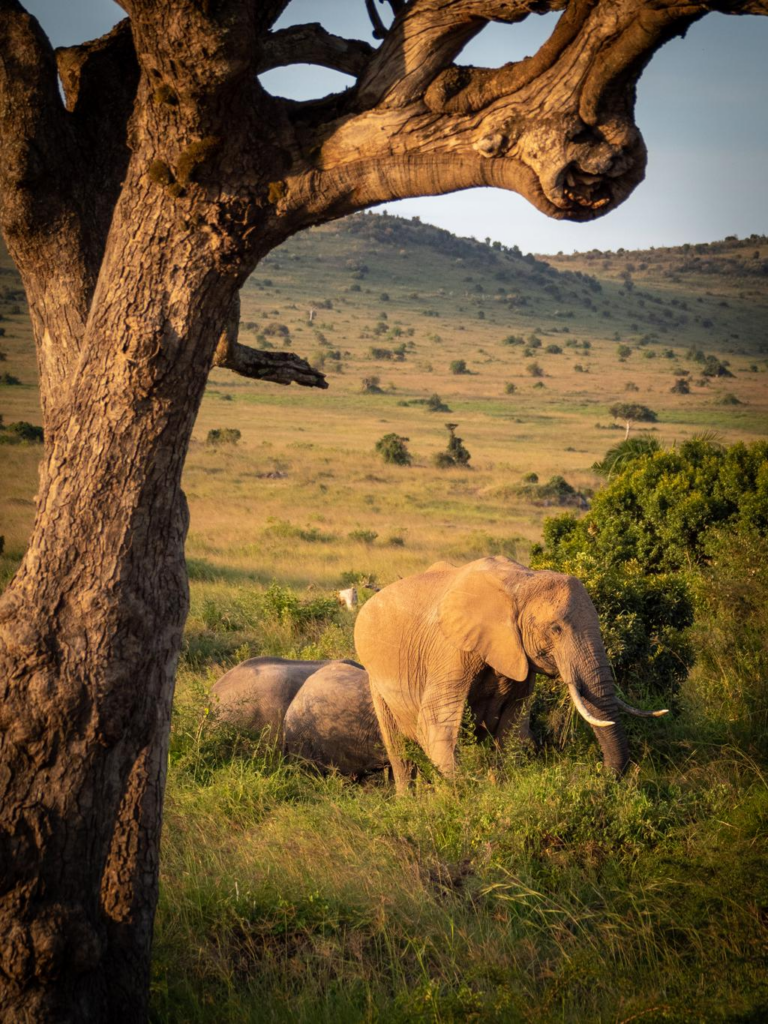
In many safari parks, you search for hours. In the Mara, animals are everywhere. Zebras, wildebeest, giraffes, elephants, lions—they’re all there, often in large numbers.
Easy to Access
From Nairobi:
- 45‑minute flight ✈️ – daily flights to Mara airstrips
- 5–6 hour drive 🚙 – scenic road trip through the Great Rift Valley
No complicated travel logistics. Perfect for short trips or first‑time Africa visitors.
Wide Range of Accommodation
Options include:
- Budget camping safaris – from $150–$200 per night
- Mid‑range lodges – $300–$500 per night
- Luxury tented camps – $600–$1,500+ per night
You can tailor your experience exactly to your budget.
Ideal for Photography
Because of:
- Open terrain – no trees blocking shots
- Abundant wildlife – never short of subjects
- Dramatic lighting – golden sunrises and sunsets
It’s one of the best safari locations for photos in Africa, whether you’re using a professional camera or a smartphone.
Once‑in‑a‑Lifetime Experience
For many travelers, the Mara is a bucket‑list trip. And often, it exceeds expectations. The scale of the wildlife, the beauty of the landscapes, the sense of being in the wild—it’s something you carry with you long after you’ve left.
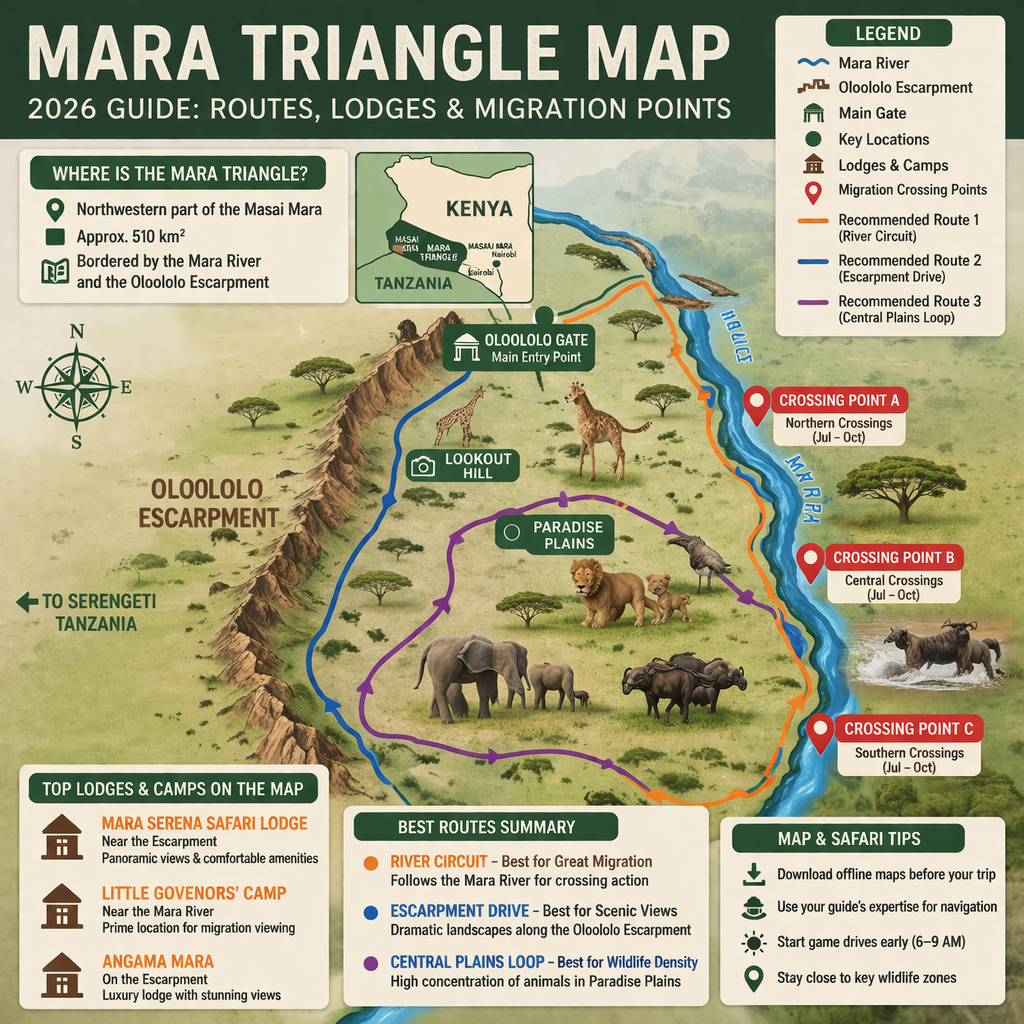
To avoid crowds during peak migration,
book a camp in the Mara Triangle.
It’s the western section of the reserve,
with fewer vehicles and the same incredible wildlife.
Cons of a Maasai Mara Safari
It Can Be Expensive
Costs add up quickly:
- Park fees – $80–$100 per person per day
- Accommodation – can range from $150 to over $1,500 per night
- Transport – flights or road transfers
Especially in peak season, prices soar. A luxury safari can easily exceed $5,000 for a few days.
Crowds in Popular Areas
During migration (July–October), river crossings attract many vehicles. Some areas feel busy, with 10–20 vehicles around a single sighting.
Tip: Choose less crowded zones like the Mara Triangle or private conservancies bordering the reserve.
Weather Variability
- Rainy season (March–May) – roads can become muddy; some areas harder to access
- Dry season (June–October) – dusty but predictable
Travel Time by Road
Driving from Nairobi takes 5–6 hours. The road can be bumpy and tiring. Flights solve this but increase cost.
🧭 Not Sure Which Safari Is Right for You? Choosing the right safari can be confusing with so many options and price ranges. 👉 We help you: Match your safari to your budget Choose the best time to travel Create a custom itinerary 📩 Request your personalized Maasai Mara safari plan today and get expert advice within 24 hours.If you’re short on time, fly.
The 45‑minute flight from Nairobi’s Wilson Airport saves you a full day of travel.
If you have time and want to save money, drive
but budget for a full day of transit.
Full Cost Breakdown (2026)
Average Safari Prices (Per Person, Per Day)
| Safari Type | Cost Per Day |
|---|---|
| Budget | $150 – $300 |
| Mid‑range | $300 – $600 |
| Luxury | $600 – $1,500+ |
Example Total Costs (3‑Night Safari)
| Safari Type | Total Cost (Approx) |
|---|---|
| Budget | $450 – $900 |
| Mid‑range | $900 – $1,800 |
| Luxury | $2,000 – $5,000+ |
What Influences Price?
| Factor | Impact |
|---|---|
| Time of year | Peak season (July–Oct) = highest prices |
| Lodge type | Luxury camps cost 3–5x more than budget |
| Transport method | Flights add $200–$400 per person each way |
| Group size | Solo travelers pay more; group tours lower per‑person cost |
Money‑Saving Tips
- Travel in low season (March–May, November) – prices drop by 30–50%
- Join group safaris – share vehicle and guide costs
- Book early – early bird discounts available
- Choose a mid‑range lodge – often offers 80% of luxury experience at half the price
If you’re flexible with dates,
consider March for calving season in the Serengeti (visible from the Mara’s border),
or November for green landscapes and fewer crowds.
Both offer excellent wildlife at significantly lower prices.
Is It Worth It for YOU?
Perfect For
| Traveler Type | Why It Works |
|---|---|
| Wildlife lovers | If animals excite you, this is paradise. You’ll see them in numbers you won’t believe. |
| Photographers | Unmatched opportunities: golden light, diverse subjects, open terrain. |
| Honeymooners | Romantic luxury camps, private sundowners, incredible backdrops. |
| First‑time Africa visitors | The best introduction to safari—accessible, reliable wildlife, and plenty of tour options. |
| Families | Many camps welcome kids; short drives keep young ones engaged. |
Not Ideal For
| Traveler Type | Why It Might Not Suit |
|---|---|
| Ultra‑budget travelers | Safari isn’t the cheapest travel style. Costs add up quickly, especially for solo travelers. |
| City‑only travelers | This is remote wilderness. If you prefer cities, you might find it too rustic. |
| People who don’t enjoy nature | Safari is nature immersion. If you’re not comfortable with insects, dust, or unpredictable weather, reconsider. |
| Those seeking solitude (in peak season) | During migration, popular areas can feel busy. Avoid by choosing private conservancies. |
If you’re unsure,
start with a 3–4 day safari.
It’s enough to experience the magic without committing to a longer (and more expensive) trip.
Best Time to Visit the Maasai Mara
| Season | Months | What to Expect | Cost |
|---|---|---|---|
| Peak (Migration) | July – October | Great Migration, river crossings, best wildlife | Highest |
| Dry Season (Predators) | January – March | Excellent predator sightings, green landscapes (late March) | High |
| Low Season (Green) | April – June | Lush scenery, fewer crowds, lower prices | Lowest |
| Shoulder (Calving) | November – December | Short rains, green, good value | Moderate |
Our take: If you want the Migration, come July–October. If you want excellent predator viewing without crowds, come January–March. If you want the best value, come March–May (rainy) or November.
The Mara Triangle is accessible year‑round.
Even in the rainy season,
the roads in this section are better maintained than other areas.
Common Mistakes to Avoid
Choosing the Cheapest Safari
Cheap can mean:
- Poor guides – you’ll miss sightings
- Bad vehicles – breakdowns in the bush
- Low‑quality lodges – uncomfortable beds, unreliable service
Fix: Book with a reputable operator. We’ve seen too many travelers disappointed by budget shortcuts.
Booking Last Minute
Especially during migration (July–October), the best camps book up 6–12 months in advance. Last‑minute availability may mean settling for your second or third choice.
Fix: Book early. If your dates are flexible, consider shoulder season for better availability.
Not Researching Locations
Different areas of the Mara offer different experiences:
- Mara Triangle – fewer crowds, excellent game viewing
- Central Mara – busiest, but best migration crossing points
- Private conservancies – off‑roading, night drives, exclusive experience
Fix: Ask your operator about the specific location of your camp.
Skipping Travel Insurance
Safaris involve small planes, remote areas, and significant upfront costs. Insurance covers:
- Medical evacuation (helicopter to Nairobi can cost $30,000+)
- Trip cancellation
- Lost luggage or gear
Fix: Get a policy with at least $100,000 medical evacuation coverage.
Pro Tip:
Read our Safari Travel Insurance guide for what to look for.
Maasai Mara vs. Other Safaris
Maasai Mara vs. Amboseli
| Factor | Maasai Mara | Amboseli |
|---|---|---|
| Best for | Wildlife variety, predators, migration | Elephants, Kilimanjaro views |
| Wildlife | Lions, leopards, cheetahs, wildebeest | Elephants (biggest tuskers), buffalo, zebra |
| Landscape | Rolling savannah, acacia trees | Open plains, swamps, Kilimanjaro backdrop |
| Access | 45‑min flight from Nairobi | 4‑hr drive or 45‑min flight |
| Cost | Moderate to high | Moderate |
Winner for overall wildlife: Maasai Mara. Winner for elephants & scenery: Amboseli. Many travelers combine both.
Maasai Mara vs. Serengeti
| Factor | Maasai Mara | Serengeti |
|---|---|---|
| Size | Smaller (1,500 km²) | Vast (15,000 km²) |
| Migration | July–October | Year‑round (moves within Tanzania) |
| Access | Easier from Nairobi | Requires flight to Arusha or Kilimanjaro |
| Crowds | Busy in peak, quieter areas exist | Busy in central, quieter in south |
| Cost | Comparable | Comparable |
Winner: Both are world‑class. The Mara is easier to access for Kenya‑focused trips; the Serengeti offers more space to explore. Many travelers visit both.
If you have 7–10 days,
consider a combined Mara + Serengeti safari.
We offer itineraries that cover both countries seamlessly.
Final Verdict
So… is it worth it?
Yes—without a doubt.
But only if you:
- Choose the right time of year for your priorities
- Pick a camp in a good location (ask us!)
- Book with a reputable operator who values guiding quality
- Match your expectations to your budget
The Maasai Mara is one of the few places on earth that genuinely lives up to the hype. It’s not just a safari. It’s a front‑row seat to one of the world’s last great wilderness spectacles.
We’ve guided thousands of travelers here. We’ve seen the gasps when a leopard appears, the tears when a lion cub takes its first steps, the laughter over sundowners as the sun bleeds into the horizon.
That’s what you’re paying for.
And it’s worth every penny.
❓ Frequently Asked Questions About Maasai Mara Safaris
Is Maasai Mara safe for tourists?
Yes, the Maasai Mara is generally very safe when traveling with a licensed safari operator. Guides are trained, and safaris are well organized to ensure visitor safety.
How many days do you need in Maasai Mara?
A minimum of 3 days is recommended to fully experience the park.
👉 4–5 days gives you a more relaxed and complete safari experience.
Is a Maasai Mara safari expensive?
It can be, but there are options for different budgets:
- Budget safaris from around $300
- Mid-range from $600
- Luxury from $1,500+
What is the best time to visit Maasai Mara?
- July–October: Great Migration
- January–March: Best for predators
- April–June: Lower prices and fewer crowds
Can you see the Big Five in Maasai Mara?
Yes—Maasai Mara is one of the best places in Africa to see all members of the Big Five.
Ready to Plan Your Maasai Mara Safari?
Your experience depends on how well your safari is planned. That’s where we come in.
Here’s what we need from you:
Tell us your travel dates, your budget, your must‑see animals, and whether you prefer luxury or adventure.
We’ll build you a custom itinerary that puts you in the best camp, with the best guide, at the best time.
Because that’s what we do at Mara Triangle Safaris. We don’t just book trips. We create experiences that stay with you for life.
Let’s Start Planning
The easiest way to start? Head over to our contact page.
Drop us an email at info@maratrianglesafaris.co.ke with your questions. Or give the team a call:
+254 705 635 886
+254 768 212 702
We’re here Monday through Saturday, 8:30 am to 5:00 pm East Africa time. Email works anytime—we’ll get back within 24 hours.
Tell us what you’re after. We’ll give you straight answers, honest advice, and a safari worth every penny.
More Reading from Mara Triangle Safaris
| Article | What You’ll Find |
|---|---|
| Safari Travel Insurance: What You Need and Why | Essential coverage for medical evacuation, trip cancellation, and gear. |
| How to Choose the Best Flights for Your Safari | Nairobi vs. Kilimanjaro, baggage limits, and booking tips. |
| Vaccinations for Safari: What You Need to Know Before You Go | Yellow fever, malaria pills, and travel clinic advice. |
| The Ultimate A‑Z Safari Animal Guide | 100+ animals from aardvark to zebra. Photos, facts, and a printable checklist. |