
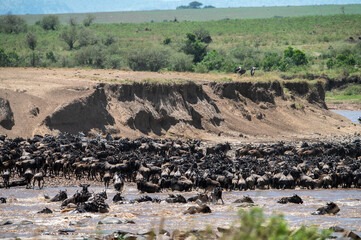
The Best Time to Experience the Great Migration Safari in Kenya and Tanzania
Best Time to See the Great Migration in Kenya (2026 Guide)
Your definitive, month-by-month authority on Great Migration safari Kenya timing, Mara River crossings, weather, and wildlife — crafted by local Mara Triangle migration experts.
The best time to see the Great Migration in Kenya is July through October, when massive wildebeest herds arrive in the Maasai Mara National Reserve. The most dramatic Mara River crossings typically peak between late July and September. August is widely considered the single best month for a Great Migration safari, combining huge herd numbers, frequent crossings, dry weather, and exceptional predator action from lions, crocodiles, and cheetahs.
Why Timing Matters
Planning a Kenya Great Migration safari is unlike booking a standard beach holiday. The Great Wildebeest Migration is a perpetual, year-round circular movement of over 1.5 million wildebeest, hundreds of thousands of zebra, and Thomson’s gazelle across the Serengeti National Park in Tanzania and the Maasai Mara National Reserve in Kenya. This is not a single event but a fluid, rain-driven phenomenon. Being in the right place at the right time is the difference between witnessing a life-changing river crossing and seeing empty plains. Our Great Migration safari planning guide helps you align your dates with the highest-probability windows for Mara Triangle migration spectacles. Read our full Masai Mara Migration Travel Guide and the Great Wildebeest Migration Guide for the bigger picture.
| Month | Herd Presence in Mara | River Crossing Probability | Overall Rating |
|---|---|---|---|
| January – March | ❌ Herds in Southern Serengeti (calving) | None | ⭐ |
| April – May | ❌ Moving north through Central Serengeti | None | ⭐ |
| June | ⚠️ Early arrivals possible in Mara Triangle | Rare | ⭐⭐ |
| July | ✅ Herds entering Mara; growing daily | Moderate (late July↑) | ⭐⭐⭐⭐ |
| August | ✅✅ Peak herd numbers | Very High | ⭐⭐⭐⭐⭐ |
| September | ✅✅ Excellent; herds still massive | High | ⭐⭐⭐⭐⭐ |
| October | ✅ Good; herds may begin southward move | Moderate | ⭐⭐⭐⭐ |
| November – December | ❌ Most herds back in Serengeti | Rare | ⭐⭐ |
📌 This Great Migration calendar Kenya reflects typical patterns. Exact timing shifts annually with rainfall. Our How to Plan a Mara Migration Trip guide offers deeper intel.
✔️ Absolute Peak: August & September
✔️ Best River Crossings: Late July – September
✔️ Best for Photography: August (dust, drama, golden light)
✔️ Best for Families: July & October (fewer crowds, still great wildlife)
✔️ Best Value: Early July & Late October (shoulder season rates)
✔️ Best Weather: July–October (dry season, sunny days)
Month-by-Month Guide to the Great Migration in Kenya
Below is our detailed best time to visit the Maasai Mara breakdown. Use this Great Migration travel guide to match your travel style with the ideal Kenya safari timing. Discover our Interesting Facts About the Wildebeest Migration to enrich your knowledge.
July — The Arrival Begins
July Great Migration safari Kenya trips mark the thrilling start of the Mara season. By mid-July, the first wildebeest herds cross the Sand River from the Serengeti National Park into the Mara Triangle. Mara River crossings are less frequent early in the month but become more common as July progresses. Predator action intensifies as lions and cheetahs await the returning bounty. Weather is cool and dry — ideal for game drives. This is a fantastic best Kenya safari for wildlife photography window with lush green landscapes. A Kenya safari July departure also benefits from slightly lower lodge prices compared to August. Consult our Mara Triangle Safari Booking Guide for July availability.
August — The Peak Month
Ask any local safari guide Kenya for the best month for a Great Migration safari, and most will answer August. The Maasai Mara migration is at its zenith. Enormous columns of wildebeest and zebra blanket the plains. Mara River crossings occur with thrilling regularity — often multiple times daily at key points. Crocodiles lunge, lions stalk the banks, and every safari vehicle is positioned for front-row seats. August Great Migration safari demand is extremely high; book a Great Migration safari in Kenya 8–12 months ahead. Explore our Affordable Mara Migration Safari Packages for early booking deals.
September — Drama Continues
September Great Migration safari experiences rival August. Herd numbers remain enormous, and river crossings persist, especially in the northern Mara Triangle. The landscape dries out, concentrating wildlife around water sources. This is arguably the best time to photograph the Great Migration — golden grasses, dusty atmospherics, and crystal-clear light. Elephants and Big Five sightings complement the migration spectacle. Great Migration safari weather guide conditions: warm days, cool nights, virtually no rain. A Kenya safari September remains a premium choice. Consider extending your trip with our Plan the Perfect Tanzania Safari guide for a Serengeti add‑on.
October — The Shoulder Gem
October Great Migration safari trips offer a compelling mix. Early October often still features significant herds and occasional crossings. As the month progresses, many wildebeest begin moving south toward the Serengeti, but the Mara Triangle frequently retains substantial resident herds. Crowds thin, and safari lodge and tented camp rates dip — making this the best season for Maasai Mara safari value. Great Migration safari for families works beautifully in October with fewer vehicles at sightings. For camping options, see our Mara Triangle Camping Guide.
| Period | Crossing Likelihood | Notes |
|---|---|---|
| Early July | Low – 20% | First small herds trickle in |
| Late July | Moderate – 55% | Crossings increase; key moment to arrive |
| August | Very High – 90% | Peak crossing month; multiple daily events |
| September | High – 80% | Still excellent; northern crossings common |
| Early October | Moderate – 50% | Diminishing but possible |
| Late October | Low – 25% | Herds departing; opportunistic crossings |
📍 The best time for Mara River crossings remains August and September. For crossing-point strategies and daily tracking, see our How to Plan a Mara Migration Trip.
Weather by Month — Great Migration Safari Weather Guide
Kenya’s dry season (June–October) coincides perfectly with the best time Great Migration safari Kenya window. Days are sunny and warm; nights are cool. The rainy season (March–May & November) makes wildlife harder to spot. Here’s your Great Migration safari weather guide snapshot:
| Month | Avg Day Temp | Avg Night Temp | Rainfall | Conditions |
|---|---|---|---|---|
| July | 26°C (79°F) | 12°C (54°F) | Very low | Cool mornings, sunny |
| August | 27°C (81°F) | 13°C (55°F) | Almost none | Dry, dusty, perfect |
| September | 28°C (82°F) | 14°C (57°F) | Minimal | Warm, clear skies |
| October | 29°C (84°F) | 15°C (59°F) | Short showers possible late | Warm, occasional rain |
Pack layers for early morning game drives. Our How to Plan a Mara Migration Trip guide includes a detailed packing checklist. Also browse the Mara Triangle Park Fees Guide to budget your visit.
Wildlife by Season — Beyond the Migration
- Big Five: Elephants, buffalo, lions, leopards, and rhino are all present. The Mara Triangle offers excellent rhino sightings.
- Predator Action: Lions, cheetahs, and leopards thrive during the migration. Crocodiles dominate the rivers.
- Zebra & Thomson’s gazelle: Migrate alongside the wildebeest.
- Birdlife: Over 500 species, including vultures that follow the herds.
For a complete activity list, see Top Mara Triangle Activities. And if you wonder how the Mara Triangle compares, read Mara Triangle vs Masai Mara Reserve.
Peak vs Shoulder Season — Crowds, Costs & Availability
| Period | Crowd Level | Price Level | Availability |
|---|---|---|---|
| Early July | Moderate | Medium | Good |
| August | Very High | Premium | Scarce (book early) |
| September | High | Premium | Limited |
| October | Moderate–Low | Medium–Low | Better availability |
For budget-friendly options, explore Affordable Mara Migration Safari Packages and the Mara Triangle Park Fees Guide.
Best Time for Photography
Which month is best for photography? August and September are unbeatable. The dry, dusty air creates dramatic golden light, especially during sunrise and sunset. Herds stir up dust, adding texture and mood. Mara River crossings provide explosive action — crocodiles mid-lunge, splashing wildebeest, and panicked zebra. Bring a telephoto lens (200-400mm) and a wide-angle for landscapes. Tailor your trip using our How to Plan a Mara Migration Trip and choose the perfect base from Mara Triangle Camping Guide or the location insight in Where is the Mara Triangle?
Best Time for Families
Great Migration safari for families works best in July and October. These months offer plenty of wildlife activity with fewer peak-season crowds, making game drives more relaxed for children. Many safari lodges and tented camps offer family-friendly suites and activities. October’s slightly warmer days and occasional short showers are still very manageable. Check the Complete Mara Triangle Map to plan your family‑friendly routes.
Best Month Based on Your Travel Style
Myth vs. Reality About Migration Timing
❌ Myth: “The migration happens exactly on the same dates every year.”
✅ Reality: The Great Wildebeest Migration timing depends entirely on seasonal rainfall. While the July–October Kenya window is reliable, the precise day herds cross the Mara River can shift by weeks. That’s why our local safari guide Kenya team tracks movements daily — you book the window, we deliver the spectacle.
❌ Myth: “If I go in October, I’ll miss everything.”
✅ Reality: Many October Great Migration safari guests still witness huge herds and even late crossings, especially in early October. Plus you enjoy lower rates and fewer crowds.
“Over my 15 years guiding in the Mara Triangle, I’ve learned that August and September almost never disappoint for river crossings. But one of my favorite secrets is late July — the first big crossing waves are raw, uncrowded, and intensely emotional. Don’t just chase the crowds; trust a Great Migration travel planner who knows the river bends and the wildebeest behavior.” — James Ole K., Head Guide, Mara Triangle Safaris
Frequently Asked Questions
When is the best time to see the Great Migration in Kenya?
The Great Migration Kenya typically spans July through October, with the highest herd concentrations in August and September. The exact when do wildebeest reach Kenya answer varies yearly, but early herds often arrive in late June/early July.
Which month has the best river crossings?
August and September deliver the highest probability of dramatic Mara River crossings. Late July also offers increasing action.
What is the best time to visit the Maasai Mara?
The best time to visit the Maasai Mara for the migration is July–October. For overall wildlife and fewer crowds, consider shoulder months.
Should I travel in July or September?
Both are excellent. July offers lush scenery and the excitement of the herds’ arrival. September guarantees dry conditions and massive herd numbers. If you want peak drama, choose September; if you prefer fresh green backdrops and slightly lower rates, pick late July.
Is October good for the Great Migration?
Yes, October is a very good month, especially for value and families. Many herds remain in the Mara Triangle, and while crossings slow down, resident game viewing remains top-tier.
How many days should I stay?
We recommend a minimum of 4–5 nights in the Maasai Mara to maximize crossing chances. A 7–10 day Great Migration safari itinerary allows you to combine the Mara with other Kenyan parks.
When should I book my safari?
For August Great Migration safari dates, book 8–12 months in advance. July and October can be booked 4–6 months out, but early booking secures the best safari lodges.
Is the migration guaranteed?
No natural event is guaranteed, but the July–October window in the Maasai Mara National Reserve offers the highest probability. We share real-time intelligence and position your safari vehicle accordingly.
More Great Migration FAQs – Planning, Packages & Pro Tips
How to plan a trip to see Africa’s great migration?
Plan your trip based on the migration’s movement: visit Tanzania from December to July for the southern Serengeti and calving, and Kenya from July to October for the Mara River crossings. Book guided safaris well in advance and use a reputable operator to secure the best viewing spots and accommodations.
Which are the best Wildebeest migration safari packages?
The best safari packages offer guided tours in both Tanzania and Kenya, focusing on river crossings and calving season. Choose packages that include experienced guides, flexible itineraries, and camps near migration hotspots to maximize your chances of dramatic sightings.
How much should I expect to pay for migration safaris?
Migration safari prices vary widely: budget group tours might start at $1,500 per person, while luxury options can exceed $10,000. Costs depend on timing, accommodations, and added experiences like hot air balloon rides. Compare different packages to find what fits your budget.
What is included in Great Migration safari packages?
Typical packages include game drives, accommodation, meals, park fees, and sometimes special activities like hot air balloon rides or cultural visits. Options range from family‑friendly group tours to private luxury escapes.
Are wildebeest migration safari packages worth booking?
Absolutely. If seeing the world’s largest overland migration is on your bucket list, a dedicated package ensures you’re in the right place at the right time. Packages streamline logistics and often provide expert guides who know the herds’ movements.
How does a wildebeest migration map help your safari?
A migration map shows the typical path herds take between the Serengeti and Maasai Mara, highlighting river crossings, calving grounds, and best viewing areas. Use it to time your trip and choose camps strategically located near active zones.
What sets luxury migration safaris in Kenya apart?
Luxury migration safaris in Kenya feature elegant lodges or tented camps, gourmet dining, private guides, and exclusive access to private conservancies. Extras like hot air balloon rides and spa treatments elevate the experience while you watch the drama of the herds.
Are there family-friendly migration safari tours?
Yes, many operators offer family‑friendly migration safaris with child‑focused activities, flexible game drives, and accommodations that welcome all ages. Guides keep children engaged, making the adventure enjoyable and educational for the whole family.
Can solo travelers join migration safaris?
Definitely. Group departures let solo travelers share costs and meet like‑minded adventurers, while private tours offer a tailored experience. Safety and social opportunities are well catered for, making solo migration trips both exciting and comfortable.
How do eco-friendly migration safari experiences work?
Eco‑friendly safaris prioritize sustainability: lodges use solar power, game drives follow strict low‑impact guidelines, and tours support local conservation and community projects. You enjoy the wildlife while minimizing your footprint.
What should I pack for a migration safari?
Pack lightweight neutral clothing, a warm layer for chilly mornings, a wide‑brim hat, sunscreen, binoculars, and a camera with a telephoto lens. Don’t forget insect repellent, a reusable water bottle, and a power bank for charging devices on the go.
Can you spot the Big Five on a migration safari?
Yes, the Big Five are frequently seen during migration season. Lions and leopards follow the herds, elephants and buffalo are common residents, and the Mara Triangle offers good chances for rhino sightings. Expert guides maximize your opportunities.
How does the Serengeti to Maasai Mara migration work?
Every year, massive herds travel north from the Serengeti into the Maasai Mara, braving rivers and predators. They usually arrive in Kenya from July and return south around October/November. This continuous loop is driven by rainfall and fresh grazing.
What can you expect during river crossings in migration?
River crossings are chaotic and thrilling: herds mass nervously at the bank before plunging into the water, facing strong currents and crocodiles. It’s a spectacular, sometimes brutal, display of survival. Guides position vehicles at safe, strategic viewing points.
Why is the wildebeest migration called a wonder of the world?
It’s the largest overland animal migration on Earth, with over 1.5 million animals moving in a continuous cycle. The sheer scale, the river crossings, and the predator‑prey drama make it one of the most awe‑inspiring natural spectacles.
How far do wildebeests travel during migration?
Wildebeests cover roughly 500 to 1,000 miles annually as they follow the rains and fresh grass. The exact distance depends on rainfall patterns, which determine how far the herds must move between the Serengeti and the Maasai Mara.
How can I track the wildebeest migration in real-time?
You can follow real‑time migration updates through dedicated safari apps, operator newsletters, and guide reports from the field. Many lodges and tour companies share live sightings maps. Using a knowledgeable local operator is the best way to stay current.
- Lightweight, neutral-colored clothing (khaki, green, brown)
- Warm fleece or jacket for chilly morning game drives
- Wide-brim hat, sunglasses, sunscreen
- Binoculars (essential for river crossing drama)
- Camera with telephoto lens (200-400mm)
- Comfortable, closed shoes
- Insect repellent and malaria prophylaxis (consult your doctor)
- Reusable water bottle
For a complete pre‑trip checklist, download our How to Plan a Mara Migration Trip guide.
Ready to witness the best time Great Migration safari Kenya has to offer? Our Mara Triangle migration specialists will design a personalized Great Migration safari itinerary around your dates and budget.
📞 +254 722 802 522 | 📞 +254 714 754 097
✉️ info@maratrianglesafaris.co.ke
Or explore our Mara Triangle Safari Booking Guide and Affordable Packages.
🌍 More Safari Travel Guides
| Topic | Category | Explore |
|---|---|---|
| Masai Mara Migration Travel Guide | 🦓 Travel Guide | Read → |
| How to Plan a Mara Migration Trip | 🗺️ Planning | Read → |
| Affordable Mara Migration Safari Packages | 💰 Packages | Read → |
| Best Time for a Great Migration Safari | 📅 Best Time | Read → |
| The Great Wildebeest Migration Guide | 🌍 Migration | Read → |
| Interesting Facts About the Wildebeest Migration | 🦌 Facts | Read → |
| Mara Triangle Safari Booking Guide | 📖 Booking | Read → |
| Mara Triangle Camping Guide | 🏕️ Camping | Read → |
| Top Mara Triangle Activities | 🎯 Activities | Read → |
| Mara Triangle Park Fees Guide | 🎫 Park Fees | Read → |
| Mara Triangle vs Masai Mara Reserve | ⚖️ Comparison | Read → |
| Where is the Mara Triangle? | 📍 Location | Read → |
| Complete Mara Triangle Map | 🗺️ Maps | Read → |
| Make Your Amboseli Safari Unforgettable | 🐘 Amboseli | Read → |
| Plan the Perfect Tanzania Safari | 🇹🇿 Tanzania | Read → |
| Why You Need a Ngorongoro Crater Safari | 🦏 Ngorongoro | Read → |
| Best Time to Go on a Serengeti Safari | 🦁 Serengeti | Read → |