
Mara Triangle Camping Guide: Everything You Need to Plan Your Adventure
🏕️ Mara Triangle Camping Guide (2026): Everything You Need to Plan an Incredible Safari Adventure
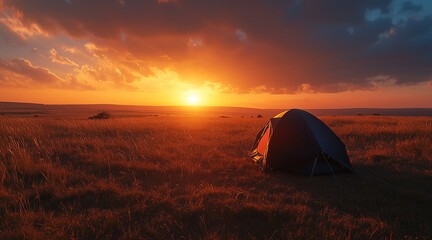
Camping in the Mara Triangle is one of the most rewarding ways to experience Kenya’s famous wilderness. Instead of returning to a lodge after your game drive, you spend your evenings surrounded by the sounds of nature while enjoying spectacular African sunsets beneath endless skies. Whether you’re planning a budget safari, a self-drive expedition, or a fully guided camping experience, this complete guide covers everything you need to know before setting out.
If this is your first visit to the reserve, you may also want to read our Masai Mara Migration Travel Guide for a complete overview of the ecosystem before planning your camping adventure.
Quick Answers
Can you camp inside the Mara Triangle?
Yes. The Mara Triangle has designated public campsites where visitors can legally camp after paying park entry fees and campsite charges.
Is camping safe?
Yes. Camping is safe when you stay in designated campsites, follow ranger instructions, and observe wildlife safety rules.
Do you need a 4WD?
Absolutely. A four-wheel-drive vehicle is highly recommended, especially during the rainy seasons and for accessing remote wildlife areas.
When is the best time to camp?
July through October offers incredible wildlife viewing thanks to the Great Wildebeest Migration, although camping is possible throughout the year.
Why Choose Camping in the Mara Triangle?
Many visitors automatically book lodges or luxury tented camps, but camping offers something far more immersive. You wake up with birds singing outside your tent, enjoy sunrise over the savannah, and experience nature without barriers. For photographers, birdwatchers, and adventure lovers, camping creates memories that hotels simply cannot match.
Camping also makes your safari significantly more affordable. Instead of spending hundreds of dollars each night on accommodation, you can allocate more of your budget toward additional game drives, longer stays, or visiting nearby destinations.
If you’re hoping to witness dramatic Mara River crossings, our detailed guide on the best time for a Great Migration safari explains exactly when wildlife concentrations are at their highest.
What Makes the Mara Triangle Special?
The Mara Triangle occupies the western section of the Masai Mara ecosystem and is widely regarded as one of Kenya’s best-managed conservation areas. Excellent road maintenance, lower visitor numbers, abundant wildlife, and spectacular landscapes make it ideal for camping safaris.
Unlike some busier sections of the reserve, campers here enjoy quieter campsites, less traffic during game drives, and exceptional opportunities to observe lions, elephants, cheetahs, leopards, buffalo, giraffes, hyenas, zebras, and thousands of wildebeest during migration season.
If you’re unfamiliar with the reserve’s geography, explore our detailed guide explaining where the Mara Triangle is located and how it differs from the rest of the Masai Mara ecosystem.
Who Should Consider a Camping Safari?
Camping is suitable for many different types of travellers, including:
- Budget-conscious travellers
- Photographers wanting sunrise and sunset access
- Families seeking adventure
- Couples looking for unique safari experiences
- Self-drive explorers
- Nature lovers
- Birdwatchers
- Backpackers exploring East Africa
If you’re comparing accommodation styles before booking, our Mara Triangle Safari Booking Guide explains the differences between camping, tented camps, and luxury lodges so you can choose the option that best suits your travel style.
Camping vs Safari Lodges
| Camping | Safari Lodges |
|---|---|
| Lower accommodation costs | Higher nightly rates |
| Closer to nature | Luxury comfort |
| Adventure experience | Private facilities |
| Ideal for photographers | Ideal for luxury travellers |
| Shared campsite amenities | En-suite rooms |
Ready to Experience Camping in the Mara Triangle?
Our experienced local safari team can arrange campsite reservations, professional guides, 4WD safari vehicles, park permits, camping equipment, and fully customized itineraries throughout the Mara Triangle.
Book Your Camping SafariIf you’re still planning your itinerary, our guide on how to plan a Mara migration trip covers transportation, accommodation, budgeting, and suggested safari durations. Travellers looking for affordable options can also compare our Mara migration safari packages before deciding whether a camping safari is the best fit.
Best Time to Go Camping in the Mara Triangle
The Mara Triangle is open throughout the year, but your camping experience can vary significantly depending on the season. Choosing the right time helps you enjoy better wildlife viewing, comfortable weather, and easier road conditions. While every month has something unique to offer, many visitors plan their camping safari around the Great Wildebeest Migration when millions of animals arrive from Tanzania.
If witnessing this incredible natural spectacle is your goal, our comprehensive Great Wildebeest Migration Guide explains how the migration unfolds throughout the year and what you can expect during each phase.
| Season | Wildlife Viewing | Camping Conditions |
|---|---|---|
| January – March | Excellent predator sightings and newborn animals | Warm, dry, and comfortable |
| April – May | Fewer visitors and lush scenery | Wet conditions, muddy roads, excellent photography |
| June | Increasing wildlife activity | Cool weather and pleasant camping |
| July – October | Peak Great Migration season | Best overall camping and wildlife experience |
| November – December | Excellent resident wildlife | Occasional short rains with fewer crowds |
For photographers and wildlife enthusiasts, July through October offers the greatest variety of wildlife. Besides massive herds of wildebeest and zebras, this is when lions, crocodiles, cheetahs, hyenas, and leopards become especially active around migration routes.
Popular Campsites in the Mara Triangle
Several public campsites operate within the Mara Triangle, each offering a slightly different wilderness experience. While facilities remain basic compared to luxury camps, they provide everything needed for an authentic safari adventure.
| Campsite | Best For | Highlights |
|---|---|---|
| Kijito Campsite | Wildlife lovers | Excellent game viewing nearby |
| Hornbill Campsite | Birdwatchers | Quiet setting with abundant birdlife |
| Kishanga Campsite | Photographers | Beautiful landscapes and fewer visitors |
Each campsite offers a peaceful base for exploring different parts of the reserve. Facilities generally include designated camping areas, toilets, and shared washing facilities, although campers should always confirm the latest amenities before arrival.
If you’re comparing camping locations with other accommodation options, our detailed guide to the top Mara Triangle activities also highlights which areas offer the best wildlife viewing and outdoor experiences.
What Wildlife Can You Expect Around Your Campsite?
Camping inside the Mara Triangle places you remarkably close to nature. While campsites are carefully selected for visitor safety, wildlife frequently passes nearby, creating unforgettable moments throughout your stay.
- Lions roaring after sunset
- Hyenas calling during the night
- Hippos grazing near camps after dark
- Elephants moving quietly through nearby bush
- Buffalo occasionally wandering close to campsites
- Hundreds of bird species around camp each morning
- Monkeys and baboons visiting during daylight hours
These encounters are part of the authentic camping experience. However, visitors should always follow ranger instructions, never leave food unattended, and avoid walking outside designated camping areas after dark.
Camping Safety Tips Every Visitor Should Follow
Camping safely is straightforward when you respect wildlife and follow established campsite rules. Rangers and guides are highly experienced, and designated campsites are managed to minimize unnecessary risks.
- Never leave your tent after dark without permission or an escort if required.
- Store all food securely to avoid attracting wildlife.
- Never feed wild animals.
- Keep a flashlight with you at all times.
- Listen carefully to campsite wardens and park rangers.
- Maintain a safe distance from all wildlife.
- Remain inside your vehicle during game drives unless instructed otherwise.
Visitors planning their first safari may also find our Mara Triangle Park Fees Guide useful for understanding entrance requirements, conservation fees, and important visitor regulations before arriving.
Plan Your Camping Safari with Local Experts
Whether you’re looking for a budget camping adventure, a self-drive safari, or a fully guided expedition with camping equipment included, our experienced team can help you create the perfect itinerary based on your travel style and budget.
Camping Costs in the Mara Triangle
One of the biggest advantages of camping in the Mara Triangle is affordability. Compared to luxury lodges and tented camps, camping allows you to spend more time exploring the reserve while keeping your accommodation costs manageable. Your total safari budget will depend on park entry fees, campsite charges, vehicle hire, guide services, meals, and camping equipment.
Before travelling, it’s important to understand all conservation and entry charges. Our detailed Mara Triangle Park Fees Guide explains current park fees, payment methods, and what is included with your entry ticket.
| Expense | Estimated Cost |
|---|---|
| Park Entry Fees | Varies by residency and season |
| Public Campsite Fees | Budget-friendly compared to lodges |
| Camping Equipment Rental | Available through safari operators |
| Professional Safari Guide | Optional but highly recommended |
| 4WD Vehicle Hire | Depends on vehicle type and duration |
Many visitors choose guided camping safaris because they include transportation, camping equipment, meals, campsite reservations, and experienced guides. This often provides excellent value while removing the stress of planning every detail yourself.
Essential Camping Equipment Checklist
Packing the right equipment can make the difference between a comfortable safari and an unnecessarily difficult one. Even if you’re joining an organized camping safari where equipment is provided, bringing your own personal essentials will greatly improve your experience.
- Durable safari tent
- Warm sleeping bag
- Sleeping mattress or camping bed
- Headlamp or flashlight with spare batteries
- Comfortable hiking boots
- Lightweight clothing in neutral colours
- Warm jacket for chilly mornings
- Wide-brim safari hat
- Sunscreen and sunglasses
- Reusable water bottle
- Power bank for charging electronics
- Camera with spare memory cards
- Binoculars
- Basic first-aid kit
- Insect repellent
Photography enthusiasts visiting during migration season should also read our article on interesting facts about the wildebeest migration, which highlights fascinating animal behaviours you may witness while camping near migration routes.
Self-Drive Camping in the Mara Triangle
A self-drive camping safari offers complete flexibility, allowing you to explore the reserve at your own pace. However, the Mara Triangle is a remote wilderness area, and proper preparation is essential before attempting a self-drive adventure.
Visitors should always use a reliable four-wheel-drive vehicle, carry extra fuel where appropriate, download offline maps, and check road conditions before entering the reserve. During the rainy seasons, some tracks may become difficult to navigate without experience.
If you’re unfamiliar with the reserve, our Complete Mara Triangle Map provides an excellent overview of gates, major roads, river crossings, and popular wildlife viewing areas to help you plan your route.
- Use a fully equipped 4WD vehicle.
- Carry enough drinking water.
- Inform someone about your travel plans.
- Avoid driving after dark.
- Keep emergency contact numbers available.
- Follow all ranger instructions.
Camping During the Great Wildebeest Migration
Camping during the Great Migration is one of Africa’s most unforgettable wildlife experiences. Waking up to thousands of wildebeest grazing nearby or hearing lions roaring after dark creates memories that few safari lodges can match.
Between July and October, enormous herds move into the Mara ecosystem, attracting predators from every direction. This is also when dramatic Mara River crossings take place, making it the busiest and most exciting camping season of the year.
To maximize your chances of witnessing river crossings and predator action, our Best Time for a Great Migration Safari explains exactly when wildlife movements are most predictable. Travellers can also compare our Affordable Mara Migration Safari Packages if they prefer an all-inclusive camping or lodge experience.
Expert Tip
Reserve your campsite several months in advance if you’re planning to camp between July and October. This is the busiest safari season in Kenya, and campsites, guides, and safari vehicles are often fully booked well before the migration reaches its peak.
Photography Tips for a Mara Triangle Camping Safari
Camping gives photographers a unique advantage because you can begin your game drives at sunrise and stay out until sunset without worrying about travelling back to distant accommodation. The soft golden light during these hours creates ideal conditions for capturing dramatic wildlife images and breathtaking landscapes.
Whether you’re photographing lions stalking prey, elephants crossing open plains, or thousands of wildebeest during the migration, patience is often rewarded with extraordinary moments. Campers also enjoy peaceful evenings that make astrophotography and sunset photography especially rewarding.
- Carry extra camera batteries and memory cards.
- Use a telephoto lens for wildlife photography.
- Photograph during early morning and late afternoon.
- Avoid using flash around wildlife.
- Keep camera equipment protected from dust.
- Bring a bean bag or monopod for vehicle photography.
If your safari coincides with migration season, our Great Wildebeest Migration Guide explains where photographers have the best opportunities to capture river crossings and predator interactions.
Camping with Children and Families
A camping safari can be an unforgettable family adventure when planned carefully. Children enjoy learning about wildlife, listening to stories around the campfire, and experiencing nature in a way that simply isn’t possible in cities. Many families find camping creates lasting memories while encouraging children to appreciate conservation and Kenya’s remarkable biodiversity.
Parents should choose family-friendly campsites, supervise children closely, and always follow instructions from guides and park rangers. Young children should never wander around campsites unattended because wildlife can move through the area at any time.
- Choose campsites with suitable facilities.
- Pack extra warm clothing for cool mornings.
- Carry snacks and sufficient drinking water.
- Bring binoculars designed for children.
- Teach children basic wildlife safety rules.
- Keep children close to adults at all times.
Frequently Asked Questions About Camping in the Mara Triangle
Can you camp anywhere inside the Mara Triangle?
No. Camping is only permitted at designated public campsites approved by park management. Wild camping outside these areas is not allowed for visitor safety and wildlife conservation.
Do campsites have toilets and showers?
Most designated campsites provide basic toilet and washing facilities, although the level of comfort varies between locations. Visitors should confirm available facilities before travelling.
Is camping safe during the Great Migration?
Yes. Designated campsites remain safe throughout the migration season when visitors follow campsite rules and ranger guidance. Wildlife activity increases during migration, making safety instructions even more important.
Can I hire camping equipment?
Yes. Many safari operators provide complete camping equipment, including tents, sleeping bags, mattresses, cooking equipment, and camp furniture as part of guided camping safaris.
Is a guided camping safari better than self-drive?
For first-time visitors, a guided camping safari is usually the better choice. Professional guides know wildlife movements, road conditions, and the best game-viewing locations while handling campsite logistics and safety.
Travellers planning their first visit should also explore our Mara Triangle vs Masai Mara Reserve comparison to understand why many experienced safari-goers prefer the quieter western section of the ecosystem.
Why Book Your Camping Safari with Mara Triangle Safaris?
Planning a camping safari involves much more than simply reserving a campsite. Our experienced local team helps arrange park permits, campsite bookings, comfortable 4WD safari vehicles, knowledgeable driver-guides, camping equipment, meals, and carefully planned itineraries designed around your interests.
Whether you’re looking for a budget camping trip, a family adventure, a photography safari, or a migration-focused expedition, we tailor every itinerary to maximize your wildlife experience while ensuring comfort and safety throughout your journey.
- Experienced local safari specialists.
- Custom camping itineraries.
- Reliable 4WD safari vehicles.
- Professional multilingual guides.
- Affordable safari packages.
- Support before and throughout your safari.
Start Planning Your Mara Triangle Camping Adventure
Experience Kenya’s spectacular wildlife from the heart of the wilderness. From campsite reservations and park permits to fully guided camping safaris, we’ll help you create an unforgettable adventure in one of Africa’s finest safari destinations.
🌍 More Safari Travel Guides
Continue planning your East African adventure with our collection of expert travel guides. Whether you’re interested in the Great Migration, comparing safari destinations, finding affordable packages, or exploring Tanzania’s famous national parks, these resources will help you plan an unforgettable journey.
More Frequently Asked Questions About Camping in the Mara Triangle
Do I need to book Mara Triangle campsites in advance?
Yes. Booking early is highly recommended, especially between July and October when the Great Wildebeest Migration attracts visitors from around the world. Popular campsites can fill up weeks or even months in advance.
Can I camp in the Mara Triangle during the rainy season?
Yes. Camping is available throughout the year. During the long rains (April and May) and short rains (November), you’ll enjoy fewer crowds, greener landscapes, and excellent photography opportunities, although some roads may become muddy and require a capable 4WD vehicle.
Is a 4WD vehicle mandatory?
While some roads remain accessible during the dry season, a four-wheel-drive vehicle is strongly recommended throughout the year. It offers better safety, comfort, and access to wildlife-rich areas, particularly after rainfall.
Can I have a campfire?
Campfires are only permitted in designated areas and may be restricted during particularly dry conditions to reduce the risk of bushfires. Always follow campsite regulations and guidance from park staff.
Is drinking water available at campsites?
Some campsites provide water, but visitors should always carry sufficient drinking water or confirm availability before arrival. Safari operators normally include safe drinking water during guided camping trips.
Will I have mobile phone coverage?
Mobile network coverage is available in parts of the Mara Triangle but cannot be guaranteed throughout the reserve. Signal strength varies depending on your location and service provider.
Can I charge my phone or camera batteries?
Public campsites usually have limited or no electricity. Carrying fully charged power banks, spare batteries, or a portable solar charger is recommended, particularly for photographers.
Are drones allowed in the Mara Triangle?
No. Drone use inside the reserve requires special authorization from the relevant Kenyan authorities. Unauthorized drone flights are generally prohibited to protect wildlife and visitor safety.
What animals are commonly seen while camping?
Depending on the season, campers may encounter elephants, buffalo, giraffes, zebras, antelopes, hippos, hyenas, and numerous bird species near campsites. Lions and leopards may also be heard or occasionally seen from a safe distance under ranger supervision.
How many days should I spend camping?
Three to five days is ideal for most visitors. This provides enough time to explore different regions of the Mara Triangle, enjoy multiple game drives, and increase your chances of seeing the Big Five and, during migration season, spectacular river crossings.
Final Thoughts
Camping in the Mara Triangle is more than simply spending a night under canvas—it’s an opportunity to immerse yourself in one of Africa’s richest wildlife ecosystems. From listening to lions roar after sunset to watching elephants emerge from the morning mist, every day offers unforgettable encounters with nature.
Whether you’re travelling on a budget, planning a family adventure, embarking on a photography expedition, or hoping to witness the Great Wildebeest Migration, camping provides an authentic safari experience that few other accommodation styles can match.
Before booking your adventure, we recommend exploring our Mara Triangle Safari Booking Guide for practical booking advice and our Masai Mara Migration Travel Guide for everything you need to know about visiting this extraordinary destination.
Ready to Experience the Mara Triangle?
Let our local safari specialists help you plan the perfect camping adventure. We organize campsite reservations, experienced guides, 4WD safari vehicles, customized itineraries, migration safaris, and affordable camping packages designed around your budget and travel goals.